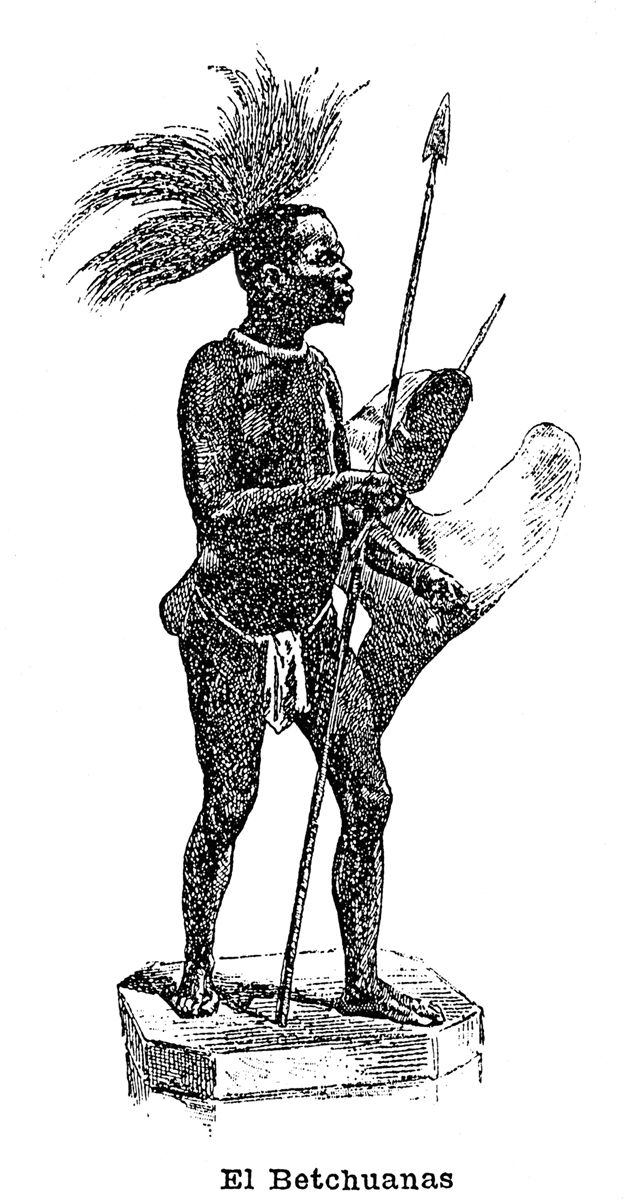
An illustration of the Negro of Banyoles
ネクロポリティクス
Necropolitics
An illustration of the Negro of Banyoles
☆ ネクロポリティクスとは、バイオポリティクスにヒントを得て、アシル・ムベンベが 提唱した文化政治概念。「ネクロポリティクスとは、ある人々がどのように生き、ある人々がどのよ うに死ななければならないかを規定するために、社会的・政治的権力を行使するという社会政治理論である」。ムベンベは、カ メルーン出身の歴史家、政治理論家、知識人で、ウィットウォーターズランド大学のウィッツ社会経済研究所で歴史学と政治学の研究教授を務めている。植民地 主義とその帰結に関する著作で知られ、フランスのニューウェーブ批評理論の第一人者である(→「アシル・ムベンベ」「バイオ ポリティクス」)。
★ミッシェル・フーコーは「死なせて、生きるにまかせる(faire mourir et laisser vivre /Kill and let live)」という権力形態[=生殺与奪の権力論]から、「生かして、死へと廃棄する(faire vivre ou rejeter dans la mort / o keep alive or to condemn to death)権力[=生政治学/バイオポリティクス]」へ(p.181)[pdf][知への意志]と、変化することを生権力論のなかで主張した。アシル・ムベンベのネクロポリティクスはさらに「生かして、死へと廃棄する」から「完全に死の領域に放逐する(Condamner à mort sans appel / To condemn to death completely)」との様相を示すだろう。
アシル・ムベンベによるネ クロポリティクス(死をめぐる政治):Necropolitics
| ネクロポリティクス :
死の政治学 / アシル・ンベンベ [著] ; 岩崎稔, 小田原琳訳 序章 世界の試練 第1章 民主主義からの退出 第2章 憎しみの社会 第3章 ネクロポリティクス 第4章 内奥で起こっていること 第5章 ファノンの薬屋 第6章 この息苦しい正午 跋章 通り過ぎて行く者の倫理 |
|
| 序章 世界の試練 | |
| ・エレメント[基底部分/基層部分]の概念(9)(→イポリット『ヘーゲル精神現象学の生成と構
造』1946年)(→精神は骨である) ・誕生しつつある新しい人間の哲学、それに対して絶滅されようとしていた人々の哲学それがネクロポリティクス?(10) ・争異(10) |
|
| 第1章 民主主義からの退出 | |
| 第2章 憎しみの社会 | |
| 第3章 ネクロポリティクス | |
| ・主体の政治学(113)——近代後期の批判理論 ・死と主体になること(114)——ヘーゲルの否定性の概念 1)人間は自然を否定する 2)否定されたエレメントは労働と闘争を通じて変化する(→ヘーゲルと死) |
|
| 第4章 内奥で起こっていること | |
| 第5章 ファノンの薬屋 | |
| 第6章 この息苦しい正午 | |
| 跋章 通り過ぎて行く者の倫理 | |
『知 への意志』(1976)の第5章「死の権利とと生命への権力」(金森 2010:31)および『社 会は防衛しなければならない』の最終講義日(1976.03.17)の内容
死なせて、生きるにまかせる(faire mourir et laisser vivre)という権力形態から、生かし て、死へと廃棄する(faire vivre ou rejeter dans la mort)権力へ(p.181)[pdf]
| J'aurais pu prendre,
à un autre niveau ,
l 'exemple de la peine de mort. Elle a été longtemps avec la guerre
l'autre forme du droit de
glaive ; elle constituait la réponse du souverain
à qui attaquait sa volonté, sa loi, sa personne.
Ceux qui meurent sur l'échafaud sont devenus
de plus en plus rares, à l'inverse de ceux qui
meurent dans les guerres. Mais c'est pour les
mêmes raisons que ceux-ci sont devenus plus
nombreux et ceux-là plus rares. Dès lors que le
pouvoir s'est donné pour fonction de gérer la vie ,
ce n'est pas la naissance de sentiments humanitaires, c'est la raison
d'être du pouvoir et la
logique de son exercice qui ont rendu de plus en
plus difficile l'application de la peine de mort.
Comment un pouvoir peut-il exercer dans la mise
à mort ses plus hautes prérogatives, si son rôle
majeur est d'assurer, de soutenir, de renforcer,
de multiplier la vie et de la mettre en ordre?
Pour un tel pouvoir l'exécution capitale est à la
fois la limite, le scandale et la contradiction. De
là le fait qu'on n'a pu la maintenir qu'en invoquant moins l'énormité
du crime lui-même que la
monstruosité du criminel, son incorrigibilité ,
et la sauvegarde de la société. On tue légitimement ceux qui sont pour
les autres une sorte de
danger biologique. |
別
の観点から言えば、死刑を例に挙げてもよかっただろう。死刑は長い間、戦争と並んで「剣の権利」のもう一つの形態であった。それは、自らの意志や法、ある
いは自身を攻撃する者に対する君主の応答であった。断頭台で死ぬ者はますます稀になってきたが、戦争で死ぬ者は逆に増えている。しかし、戦争で死ぬ者が増
え、死刑台で死ぬ者が減ったのは、まさに同じ理由によるものだ。権力が「生命を管理する」という機能を自らに課した時点で、人道的な感情が生まれたからで
はなく、権力の存在意義と行使の論理そのものが、死刑の適用をますます困難なものにしたのである。権力の主要な役割が、生命を保障し、支え、強化し、増殖
させ、秩序立てることにあるならば、どうしてその権力が、殺害という行為において自らの最高権限を行使しうるだろうか。そのような権力にとって、死刑の執
行は、限界であり、スキャンダルであり、矛盾でもあるのだ。それゆえ、死刑を維持できたのは、犯罪そのものの甚大さよりも、むしろ犯罪者の非人道性、その
更生不能性、そして社会の保全を理由としてきたからである。他者にとって一種の生物学的危険となる者たちを、正当に殺すのである。 |
| On
pourrait dire qu'au vieux droit de faire
mourir ou de laisser vivre s'est substitué un
pouvoir de faire vivre ou de rejeter dans la
mort. C' est peut- être ainsi que s'explique cette
disqualification de la mort que marque la désuétude récente des rituels
qui l'accompagnaient. Le soin qu'on met à esquiver la mort est moins
lié à une angoisse nouvelle qui la rendrait insupportable pour nos
sociétés qu'au fait que les
procédures de pouvoir n'ont pas cessé de s'en
détourner. Avec le passage d'un monde à l'autre,
la mort était la relève d'une souveraineté terrestre par une autre,
singulièrement plus puissante ; le faste qui l'entourait relevait de la
cérémonie politique. C'est sur la vie maintenant et
tout au long de son déroulement que le pouvoir
établit ses prises; la mort en est la limite, le
moment qui lui échappe; elle devient le point
le plus secret de l'existence, le plus privé )J.
Il ne faut p as s'étonner que le suicide crime
autrefois puisqu'il était une manière d'usurper
sur le droit de mort que le souverain, celui d'icibas ou celui de
l'au-delà, avait seul le droit
d'exercer soit devenu au cours du XIXe siècle
une des premières conduites à entrer dans le
champ de l'analyse sociologique ; il faisait apparaître aux frontières
et dans les interstices du
pouvoir qui s'exerce sur la vie, le droit individuel
et privé de mourir. Cette obstination à mourir,
si étrange et pourtant si régulière, si constante
dans ses manifestations, si peu explicable par
conséquent par des particularités ou accidents
individuels, fut un des premiers étonnements
d'une société où le pouvoir politique venait de se
donner pour tâche de gérer la vie. |
か
つての「死なせるか生かすか」という権利は、「生かすか、あるいは死へと追いやるか」という権力に取って代わられたと言えるだろう。死を伴う儀式の最近の
廃れが示す、死の軽視という現象は、こうした変化によって説明できるのかもしれない。死を回避しようと人々が注ぐ配慮は、死を社会にとって耐え難いものに
する新たな不安によるというよりは、権力の仕組みが絶えず死から背を向けてきたという事実によるものだ。ある世界から別の世界への移行において、死は地上
の主権が、はるかに強力な別の主権へと引き継がれる瞬間であり、
それを取り巻く華やかさは、政治的儀礼に属していた。今や権力は、生というものの全過程においてその支配を確立している。死はその限界であり、権力の及ば
ない瞬間である。死は存在の最も秘められた点、最も私的なものとなる)J.
かつて自殺が犯罪とされたのは、現世の支配者であれ来世の支配者であれ、主権者だけが行使する権利を有していた「死の権利」を簒奪する行為であったからで
あり、それが19世紀の間に社会学的分析の対象として真っ先に取り上げられるようになったとしても、驚くべきことではない。それは、生命に対して行使され
る権力の境界や隙間において、死という個人的かつ私的な権利を浮き彫りにしたのだ。この死への執着は、実に奇妙でありながら極めて規則的であり、その現れ
は絶えず繰り返され、したがって個人の特異性や偶発的な出来事ではほとんど説明がつかないものであった。それは、政治権力が生命の管理を自らの任務とした
ばかりの社会にとって、最初の驚きの一つであった。 |
| La volonté de savoir / Michel Foucault, Paris : Gallimard ,
c1976. - (Bibliothèque des histoires ; . Histoire de la sexualité /
Michel Foucault ; 1) [pdf] pp.181-182. |
★
★ ネ クロポリティクス(死をめぐる政治):Necropolitics
| Necropolitics
is a sociopolitical theory of the use of social and political power to
dictate how some people may live and how some must die. The deployment
of necropolitics creates what Achille Mbembe calls deathworlds, or "new
and unique forms of social existence in which vast populations are
subjected to living conditions that confer upon them the status of the
living dead."[1] Mbembe, author of On the Postcolony, was the first
scholar to explore the term in depth in his 2003 article,[2] and later,
his 2019 book of the same name.[1] Mbembe identifies racism as a prime
driver of necropolitics, stating that racialized people's lives are
systemically cheapened and habituated to loss.[1] |
ネクロポリティクスとは、ある人々がどのように生き、ある人々がどのよ
うに死ななければならないかを規定するために、社会的・政治的権力を行使するという社会政治理論である。ネクロポリティクスの展開は、アシル・ムベンベが
言うところの「死の世界」、すなわち「膨大な人口が、生ける屍の地位を与える生活条件にさらされる、新しくユニークな社会的存在の形態」を生み出す。
1]
『ポストコロニーについて』の著者であるムベンベは、2003年の論文[2]、その後2019年に出版した同名の著書において、この用語を深く探求した最
初の学者である。
ムベンベは、人種差別がネクロポリティクスの主要な推進力であるとし、人種差別を受けた人々の生活が制度的に安っぽくされ、喪失に慣らされていると述べて
いる[1]。 |
| Concept Necropolitics is often discussed as an extension of biopower, the Foucauldian term for the use of social and political power to control people's lives. Foucault first discusses the concepts of biopower and biopolitics in his 1976 work, The Will to Knowledge: The History of Sexuality Volume I.[3] Foucault presents biopower as a mechanism for "protecting", but acknowledges that this protection often manifests itself as subjugation of non-normative populations.[3] The creation and maintenance of institutions that prioritize certain populations as more valuable is, according to Foucault, how population control has been normalized.[3] Mbembe's concept of necropolitics acknowledges that contemporary state-sponsored death cannot be explained by the theories of biopower and biopolitics, stating that "under the conditions of necropower, the lines between resistance and suicide, sacrifice and redemption, martyrdom and freedom are blurred."[2] Jasbir Puar assumes that discussions of biopolitics and necropolitics must be intertwined, because "the latter makes its presence known at the limits and through the excess of the former; [while] the former masks the multiplicity of its relationships to death and killing in order to enable the proliferation of the latter."[4] Mbembe was clear that necropolitics is more than simply a right to kill (Foucault's droit de glaive). While his view of necropolitics does include various forms of political violence such as the right to impose social or civil death, and the right to enslave others, it is also about the right to expose other people (including a country's own citizens) to mortal danger and death.[2] Cultural theorist Lauren Berlant calls this gradual and persistent process of elimination slow death.[5][6] According to Berlant, only specific populations are "marked out for wearing out"[7] and the conditions of being worn out and dying are intimately linked with "the ordinary reproduction of [daily] life."[8] Necropolitics is a theory of the walking dead, in which specific bodies are forced to remain in suspended states of being located somewhere between life and death. Mbembe provided a way of analyzing these "contemporary forms of subjugation of life to the power of death."[2] He utilized examples of slavery, apartheid, the colonization of Palestine and the figure of the suicide bomber to illustrate differing forms of necropower over the body (statist, racialized, a state of exception, urgency, martyrdom) and how this reduces people to precarious life conditions.[2] According to Marina Gržinić, necropolitics precisely defines the forms taken by neo-liberal global capitalist cuts in financial support for public health, social and education structures. To her, these extreme cuts present intensive neo-liberal procedures of ‘rationalization’ and ‘civilization’.[9] |
概念 ネクロポリティクスは、しばしばバイオパワーの延長として議論される。バイオパワーとは、人々の生活をコントロールするための社会的・政治的権力の行使を 意味するフーコー用語である。フーコーは1976年の著作『性の歴史: 第1巻:知への意志(The History of Sexuality, Volume I)』の中で、バイオパワーとバイオポリティクスの概念について初めて論じている: フーコーはバイオパワーを「保護」のためのメカニズムとして提示しているが、この保護がしばしば非規範的な集団の服従として現れることを認めている [3]。フーコーによれば、特定の集団をより価値あるものとして優先させる制度の創設と維持は、人口抑制がいかにして常態化されてきたかということである [3]。 ムベンベのネクロポリティクスの概念は、現代の国家による死がバイオパワーやバイオポリティクスの理論では説明できないことを認め、「ネクロパワーの条件 下では、抵抗と自殺、犠牲と贖罪、殉教と自由の境界線は曖昧である」と述べている。 ジャスビール・プアーは、「後者(=ネクロパワー)は前者(= バイオパワー)の限界において、また過剰な存在を通して、その存在を知らしめるものであり、一方、前者は後者の増殖を可能にする ために、死と殺戮との関係の多様性を覆い隠すものである」[4]から、生政治とネクロポリティックスの議論は絡み合わなければならないと仮定している。 ムベンベは、ネクロポリティクスが単なる殺人の権利(フーコーのdroit de glaive [剣の権利])以上のものであることを明確にしていた。彼の考えるネクロポリティクスには、社会的あるいは市民的な死を課す権利や他者を奴隷化する権 利な ど、さまざまな政治的暴力の形態が含まれる一方で、他者(自国民を含む)を致命的な危険や死にさらす権利のことでもある。 [2] 文化理論家のローレン・バーラントは、この緩やかで持続的な排除のプロセスを緩慢な死と呼んでいる[5][6]。 バーラントによれば、特定の集団だけが「消耗するようにマークされている」[7]のであり、消耗して死ぬという条件は「(日常)生活の通常の再生産」と密 接に結びついている[8]。 ネクロポリティクスとは、特定の身体が生と死の狭間に位置する宙吊りの 状態に留まることを余儀なくされる、歩く死者の理論である。ムベンベは、このような 「生を死の力に服従させる現代の形態」を分析する方法を提供した [2]。彼は、奴隷制、アパルトヘイト、パレスチナの植民地化、自爆テロ犯の 姿を例に挙 げ、身体をめぐるネクロパワーのさまざまな形態(国家主義、人種差別、例外状態、緊急性、殉教)と、それがいかに人々を不安定な生活状況に追いやるかを説 明した[2]。 マリナ・グルジニッチによれば、ネクロポリティクスは、ネオリベラルなグローバル資 本主義による公衆衛生、社会、教育構造への財政支援削減の形態を正確に 定義している。彼女にとって、こうした極端な削減は、「合理化」と「文明化」の集中的な新自由主義的手続きを示している[9]。 |
| Living death Mbembe's understanding of sovereignty, according to which the living are characterized as "free and equal men and women," informs how he expands the definition of necropolitics to include not only individuals experiencing death, but also experiencing social or political death.[2] An individual unable to set their own limitations due to social or political interference is then considered, by Mbembe, to not be truly alive, as they are no longer sovereign over their own body.[2] The ability for a state to subjugate populations so much so that they do not have the liberty of autonomy over their lives is an example of necropolitics. This creates zones of existence for the living dead, those who no longer have sovereignty over their own body.[1] R. Guy Emerson writes that necropolitics exists beyond the limits of administrative or state power being imposed on bodies, but also becomes internalized, coming to control behaviors over fear of death or fear of exposure to death worlds.[10] Frédéric Le Marcis discusses how the contemporary African prison system acts as an example of necropolitics.[11] Referring to the concept of living death as "stuckness", Le Marcis details life in prison as a state-sponsored creation of death; some examples he provides include malnourishment through a refusal to feed inmates, a lack of adequate healthcare, and the excusing of certain violent actions between inmates.[11] Racism, discussed by Foucault as an integral component of wielding biopower, is also present in Le Marcis' discussion of the necropolitical prison system, specifically regarding the ways in which murder and suicide are often overlooked among inmates.[11] Mbembe also contends that matters of homicide and suicide within state-governed institutions housing "less valuable" members of the necroeconomy are simply another example of social or political death.[2] Ilana Feldman brings as an example the experience of Palestinian refugees in the situation of prolonged displacement. In her ethnographic work, a number of interviewees share how the combination of bad leadership, poor services in refugee camps and lack of international support resulted in a collective climate of hopelessness.[12] |
生きている死 生者を「自由で平等な男女」として特徴づけるムベンベの主権理解は、彼がネクロポリティクスの定義を、死を経験する個人だけでなく、社会的あるいは政治的 な死を経験する個人をも含むように拡張する方法に影響を与えている。 [ムベンベは、社会的あるいは政治的な干渉のために自らの限界を設定できない個人は、もはや自らの身体に対する主権を持たないため、真に生きているとは言 えないと考える。これによって、もはや自らの身体に対する主権を持たない生ける屍のための生存圏が形成される。R・ガイ・エマーソンは、ネクロポリティク スは行政や国家権力が身体に押し付けられるという限界を超えて存在し、また内面化され、死への恐怖や死の世界にさらされることへの恐怖から行動をコント ロールするようになると書いている[10]。 フレデリック・ル・マーシスは、現代のアフリカの刑務所制度がネクロポリティクスの一例としてどのように機能しているかについて論じている[11]。ル・ マーシスは、生ける死の概念を「行き詰まり」として言及し、刑務所の生活が国家によって生み出された死の創造物であると詳述している。 [11]フーコーがバイオパワーを行使する不可欠な要素として論じている人種差別は、ル・マーシスのネクロポリティカルな刑務所システムに関する議論にも 存在し、特に受刑者の間で殺人や自殺がしばしば見過ごされている方法について論じている[11]。 ムベンベはまた、ネクロエコノミーの「価値の低い」メンバーを収容する国家が管理する施設内での殺人や自殺の問題は、単に社会的あるいは政治的な死のもう 一つの例であると論じている[2]。 イラーナ・フェルドマンは、長期的な避難生活におけるパレスチナ難民の経験を例として挙げている。彼女のエスノグラフィックな仕事の中で、多くのインタ ヴュイーが、悪いリーダーシップ、難民キャンプでの貧弱なサービス、国際的な支援の欠如が組み合わさり、集団的な絶望的な風土をもたらしたことを語ってい る[12]。 |
| Queer and trans necropolitics Jasbir Puar coined the term queer necropolitics to analyze the post-9/11 queer outrage regarding gay bashing and simultaneous queer complicity with Islamophobia.[4] Puar utilizes the discussions of Mbembe to address the dismissal of racism within the LGBTQ+ community as a form of assimilation and distancing from the non-normative populations generally affected by necropolitics.[4] Puar's research centers specifically on the idea that, "the homosexual other is white, the racial other is straight," leaving no room for queer people of color, and ultimately accepting their fate as a non-valuable population destined for social, political, or literal death.[4] Puar's prime example of this lives within the Israeli-Palestinian conflict, in which Israel, considered a haven for LGBTQ individuals, is then spared criticism from its Islamophobic violence against the Palestinian people, particularly queer Palestinians.[4] Many scholars use Puar's queer necropolitics in conjunction with Judith Butler's concept of a grievable life.[13] Butler's discussion of the HIV/AIDS epidemic acts as a necessary extension of the queer necropolitical field, as it addresses specifically the shortcomings of Foucault's concept of biopower for non-normative, less societally valuable populations, those populations experiencing multiple intersections of Other-ness.[13] Butler connects the lives of queer individuals to that of, "war casualties that the United States inflicts," noting that one cannot publicly grieve these deaths because in order to do so, they must be deemed noteworthy by those who inflicted death upon them.[13] Butler claims that the obituary is a tool for normalizing the necropolitics of queer lives, as well as the lives of people of color.[13] -Butler, Judith (2004). Precarious life: the powers of mourning and violence. London: Verso. pp. 20–35. ISBN 978-1844670055.[pdf] Queer necropolitics is the subject of an anthology from Routledge.[14] In “Trans Necropolitics: A Transnational Reflection on Violence, Death, and the Trans of Color Afterlife” Snorton and Haritaworn investigate the necropolitical nature of trans people of color's lives. As they make sense of “trans of color afterlife,” Snorton and Haritaworn examine the ‘making dead’ of trans people of color, and especially trans women of color, as an intentionally violent political strategy. This reveals society's incredible failure to protect and care for trans people of color during their lives.[15] |
クィアとトランスのネクロポリティクス ジャスビア・プアーは、ゲイ・バッシングに関する9.11以降のクィアの憤怒と、イスラム恐怖症へのクィアの同時加担を分析するために、クィア・ネクロポ リティクスという言葉を作り出した[4]。プアーはムベンベの議論を利用して、ネクロポリティクスの影響を一般的に受ける非規範的な集団からの同化と距離 の取り方の一形態として、LGBTQ+コミュニティ内の人種差別の棄却に取り組んでいる。 [4]プアールの研究の中心は、特に「同性愛の他者は白人であり、人種の他者はストレートである」という考えであり、有色人種のクィアには入り込む余地が なく、最終的には社会的、政治的、あるいは文字通りの死を運命づけられた非価値的な集団としての運命を受け入れている[4]。このプアーの典型的な例 は、イスラエル・パレスチナ紛争の中に生きており、LGBTQの避難所と考えられているイスラエルは、パレスチナ人、特にクィアのパレスチナ人に対するイ スラム恐怖症的暴力からの批判を免れている[4]。 HIV/AIDSの流行に関するバトラーの議論は、非規範的で社会的価値の低い集団、つまり他者性の複数の交差を経験している集団に対するフーコーのバイ オパワーの概念の欠点を具体的に取り上げているため、クィア・ネクロポリティカルな場の必要な拡張として機能している。 [13]バトラーは、クィア個人の生を「米国が与えた戦死者」のそれと結びつけ、その死を公に悲しむことができないのは、そうするためには、死を与えた人 々によって注目すべきものとみなされなければならないからだと指摘する[13]。 バトラーは、訃報は、有色人種の生と同様に、クィアの生のネクロポリティクスを正常化するためのツールであると主張する[13]。 -Butler, Judith (2004). Precarious life: the powers of mourning and violence. London: Verso. pp. 20–35. ISBN 978-1844670055.[pdf] クィアのネクロポリティクスは、ラウトレッジのアンソロジーの主題である[14]。 Trans Necropolitics: Trans Necropolitics: A Transnational Reflection on Violence, Death, and the Trans of Color Afterlife "では、スノートンとハリタウォーンは、有色人種のトランスの死後の世界におけるネクロポリティカルな性質を調査している。有色人種のトランスの死後の世 界」を理解するために、スノートンとハリタウォーンは、有色人種のトランス、特に有色人種のトランス女性の「死を作る」ことを、意図的に暴力的な政治戦略 として検証している。このことは、有色人種のトランスを生前に保護し、ケアする社会の驚くべき失敗を明らかにする[15]。 |
| Necroviolence See also: Desecration of graves Necroviolence is used both as a terms among academics, stemming from the necropolitics concept, as well in some press coverage and in United Nations documentation regarding the Israel–Palestine conflict.[16][17][18] As defined by anthropologist Jason De León refers to “violence performed through the specific treatment of corpses” in ways that are offensive and enable "the powerful" to deny responsibility for the death.[19][20] Israeli "necroviolence" against Palestinians In Gaza–Israel conflict See also: Israeli razing of cemeteries in the Gaza Strip Israeli forces have been accused of necroviolence in 2020 in Gaza, including violently scooping up a corpse with a bulldozer.[21] Ongoing Israeli necroviolence methods Student of MA International Conflict Studies at King's College London Aymun Moosavi[22] and Harvard PhD candidate in anthropology Randa May Wahbe have described Israeli necroviolence as including:[23] ‘Ambiguous loss’; withholding Palestinian bodies in freezers, thus preventing Palestinian families from mouring their loved ones The cemeteries of numbers (cemeteries where graves are marked only with numbers and not names, thus dehumanizing the dead) Demolition of historic gravesites Against trans and gender-diverse people In the academic article Necropolitics and Trans Identities: Language Use as Structural Violence, authors Kinsey Stewart and Thomas Delgado argue that language can also harm the dead and that the (mis)use of language within medicolegal death investigation reflects and reinforces structural violence against transgender and gender diverse people.[24] |
ネクロバイオレンス 以下も参照のこと: 墓の冒涜 ネクロバイオレンスは、ネクロポリティクスの概念に由来する学術用語として、またイスラエルとパレスチナの紛争に関する一部の報道や国連の文書で使用され ている[16][17][18]。 人類学者のジェイソン・デ・レオンによって定義されたように、「死体に対する特別な扱いによって行われる暴力」を指し、攻撃的であり、「権力者」が死に対 する責任を否定することを可能にするような方法で行われる[19][20]。 イスラエルによるパレスチナ人に対する「死霊暴力 ガザ・イスラエル紛争において 以下も参照のこと: イスラエルによるガザ地区の墓地破壊 イスラエル軍は2020年にガザで、ブルドーザーで激しく死体を掬い上げるなど、屍体暴力で非難されている[21]。 イスラエルによる継続的な死体暴力の手法 キングス・カレッジ・ロンドンの国際紛争研究修士課程の学生Aymun Moosavi[22]とハーバード大学の人類学博士候補Randa May Wahbeは、イスラエルのネクロバイオレンスを以下のように説明している[23]。 曖昧な喪失」;パレスチナ人の遺体を冷凍庫に留め置くことで、パレスチナ人の家族が愛する人を弔うことを妨げている。 数字の墓地(墓に名前ではなく数字だけが記され、死者の人間性を奪う墓地)。 歴史的な墓地の取り壊し トランスジェンダーや性別に多様性のある人々に対するもの 学術論文『ネクロポリティクスとトランス・アイデンティティ』(Necropolitics and Trans Identities: 著者のKinsey StewartとThomas Delgadoは、言葉は死者を傷つけることもあり、医学的な死亡調査における言葉の(誤った)使用は、トランスジェンダーやジェンダー的に多様な人々に 対する構造的な暴力を反映し、強化していると主張している[24]。 |
| Further developments Khaled Al-Kassimi, author of International Law, Necropolitics, and Arab Lives[25], has recently expanded the theoretical framework of necropolitics by engaging in an epistemic inquiry deconstructing the philosophical and theological reasons as to why Western modernity necessitates deploying "necropower" for onto-epistemic coherence.[26] In doing so, Al-Kassimi mentions that while racism is a material explanation to the exercise of necropolitics, it is the epistemic schism between both "spiritual Arabia" and "secular Europe" that demands the latter to "ban" the former from the juridical order and render them the "living-dead".[26] By navigating Latin-European scholastics in the 15th century, including the positivist juridical turn during and after the Enlightenment period emphasizing Reason over Revelation, Al-Kassimi concludes that, "Arab epistemology emphasiz[ing] the spiritual rather than simply the material"[26] requires "secular" Western modernity to demand the elevation of Arab subjects to the exception and rendering them through technologies of racism and essentialist narratives as "bare-life", "Muselmann", or the "living-dead"; that is, objects of sovereign necropower.[26] |
さらなる発展 International Law, Necropolitics, and Arab Lives』[25]の著者であるハレド・アル・カシミは、最近、なぜ西洋近代が「ネクロパワー」を展開する必要があるのかについて、哲学的・神学的理由 を解体する認識論的探究を行うことで、ネクロポリティクスの理論的枠組みを拡張した。 [26]そうすることで、アル=カシミは、人種差別がネクロポリティクスの行使に対する物質的な説明である一方で、後者が前者を法秩序から「追放」し、 「生ける屍」とすることを要求するのは、「精神的アラビア」と「世俗的ヨーロッパ」の両者の間の認識論的分裂であると言及する。 [啓蒙期以降の、啓示よりも理性を強調する実証主義的な法学的転回を含む、15世紀のラテン=ヨーロッパのスコラ学をナビゲートすることによって、アル= カシミは、「単に物質的なものよりも精神的なものを強調するアラブの認識論」[26]は、「世俗的な」西欧近代が、人種差別と本質主義的な語りの技術を通 じて、アラブ人主体の例外への昇格を要求し、彼らを「剥き出しの生命」、「ミュゼルマン」、あるいは「生ける屍」とすることを要求していると結論づける; つまり、主権的ネクロパワーの対象である。 [26] |
| Moral hazard Brinkmanship Desecration of graves Israeli razing of cemeteries in the Gaza Strip List of ways people dishonor the dead |
モラルハザード 瀬戸際外交 墓の冒涜 イスラエルによるガザ地区の墓地破壊 死者の名誉を傷つける方法 |
| https://en.wikipedia.org/wiki/Necropolitics |
|
| Repatriations of dead African
bodies, ritualistic reburials, and commemorative practices of
remembering bodies elaborate African practices of cultural memory and
collective identification. The repatriations of the bodily remains of
Sarah Baartman, the so-called ‘Hottentot Venus’, from France to South
Africa, and ‘El Negro’ from Spain to Botswana, are emblematic and
define instances of such African dramas. This article interrogates
these embodied rituals and examines their relevance to the diaspora
experience. It seeks to theorise an African-centered conceptualisation
of the notion of diaspora, by using the term ‘diasporic returns’ to
explore the non-slave exchange of black bodies. It also examines
contemporary theatrical moments of trafficking African cultural
practices using the critical tools of performance theory, anthropology
and ethnography. Rapoo, Connie (June 2011). "'Just give us the bones!': theatres of African diasporic returns". Critical Arts. 25 (2): 132–149. doi:10.1080/02560046.2011.569057 |
アフリカの死体の返還、儀式的な再埋葬、そして死体を記憶する記念の実
践は、文化的記憶と集団的同一性のアフリカ的実践を精巧に表現している。いわゆる「ホッテントットのヴィーナス」であるサラ・バートマンの遺体のフランス
から南アフリカへの送還や、「エル・ネグロ」のスペインからボツワナへの送還は、そのようなアフリカのドラマを象徴し、定義づける事例である。本稿では、
これらの具体化された儀式を問い直し、ディアスポラ体験との関連性を検証する。ディアスポラという概念のアフリカ中心の概念化を理論化しようとするもの
で、「ディアスポリック・リターン」という用語を用いて、黒人の身体の非奴隷的交換を探求する。また、パフォーマンス理論、人類学、民族誌学の批評ツール
を用いて、アフリカ文化の実践を売買する現代の演劇的瞬間を検証する。 |
| References Wikiquote has quotations related to Necropolitics. 01. Mbembe, Achille (October 2019) [2016]. Necropolitics [Politiques de l'inimitié]. Translated by Corcoran, Steve. Durham: Duke University Press. ISBN 978-1-4780-0651-0. Mbembe, Achille (2003). "Necropolitics" (PDF). Public Culture. 15 (1): 11–40. doi:10.1215/08992363-15-1-11. Archived from the original (PDF) on 2015-10-10. Foucault, Michel (1978). The Will to Knowledge: The History of Sexuality Volume I. London: Penguin. ISBN 0-14-012474-8. Puar, Jasbir K. (2007). Terrorist assemblages: homonationalism in queer times. Durham: Duke University Press. pp. 32–79. ISBN 9780822340942. 05. Bratich, Jack Z. (2022). On microfascism : gender, war, and death. Brooklyn, NY. p. 10. ISBN 978-1-94217-349-6. Berlant, Lauren (Summer 2007). "Slow Death". Critical Inquiry. 33 (4): 754. doi:10.1086/521568. S2CID 161102783. The phrase slow death refers to the physical wearing out of a population and the deterioration of people in that population that is very nearly a defining condition of their experience and historical existence. Berlant, Lauren (Summer 2007). "Slow Death". Critical Inquiry. 33 (4): 761. Berlant, Lauren (Summer 2007). "Slow Death". Critical Inquiry. 33 (4): 762. "Necropolitics - ECPS". 10. Guy Emerson, R. (2019). Necropolitics: Living Death in Mexico. Springer. pp. 2–3. ISBN 9783030123024. Le Marcis, Frédéric (2019). "Life in a Space of Necropolitics: Toward an Economy of Value in Prisons". Ethnos. 84 (1): 74–95. doi:10.1080/00141844.2018.1428207. S2CID 217508904. Feldman, Ilana (October 2018). Life Lived in Relief. The University of California Press. ISBN 9780520299634. Butler, Judith (2004). Precarious life: the powers of mourning and violence. London: Verso. pp. 20–35. ISBN 978-1844670055. C. Riley Snorton; Jin Haritaworn (2013). "Trans Necropolitics: A Transnational Reflection on Violence, Death, and the Trans of Color Afterlife". In Susan Stryker; Aren Aizura (eds.). Transgender Studies Reader (2nd ed.). New York: Routledge. 15. Stewart, Kinsey B.; Delgado, Thomas A. (2023). "Necropolitics and Trans Identities: Language Use as Structural Violence". Humans. 3 (2): 106–125. doi:10.3390/humans3020010. "Khaled Al-Kassimi - Routledge & CRC Press Author Profile". www.routledge.com. Retrieved 2024-03-07. 17. Al-Kassimi, Khaled (2022-10-27). International Law, Necropolitics, and Arab Lives: The Legalization of Creative Chaos in Arabia. London: Routledge. doi:10.4324/9781003306375. ISBN 978-1-003-30637-5. |
参考文献 ウィキクォートにはネクロポリティクス(Necropolitics)に関 する引用がある。 01. ムベンベ、アキレ (2019年10月) [2016年]. 『ネクロポリティクス』 [Politiques de l'inimitié]. スティーブ・コークラン訳. デュラム: デューク大学出版局. ISBN 978-1-4780-0651-0. ムベンベ、アキレ(2003年)。「ネクロポリティクス」(PDF)。『パブリック・カルチャー』15巻1号:11–40頁。doi: 10.1215/08992363-15-1-11。2015年10月10日にオリジナル(PDF)からアーカイブ。 フーコー、ミシェル(1978)。『知識への意志:性の歴史 第一巻』。ロンドン:ペンギン。ISBN 0-14-012474-8。 プアール、ジャスビル・K.(2007)。『テロリスト・アサンブラージュ:クィアな時代におけるホモナショナリズム』。ダーラム:デューク大学出版局。 pp. 32–79。ISBN 9780822340942。 05. ブラティッチ、ジャック・Z. (2022). 『マイクロファシズムについて:ジェンダー、戦争、そして死』. ニューヨーク州ブルックリン. p. 10. ISBN 978-1-94217-349-6. バーラント、ローレン (2007年夏). 「緩慢な死」. 『クリティカル・インクワイアリー』. 33 (4): 754. doi:10.1086/521568. S2CID 161102783. 「緩慢な死」という表現は、集団の身体的消耗と、その集団に属する人々の衰退を指す。これは彼らの経験と歴史的存在をほぼ定義づける状態である。 バーラント、ローレン(2007年夏)。「スロー・デス」。『クリティカル・インクワイアリー』。33巻4号:761頁。 バーラント、ローレン(2007年夏)。「スロー・デス」。『クリティカル・インクワイアリー』。33巻4号:762頁。 「ネクロポリティクス - ECPS」 10. ガイ・エマーソン, R. (2019). 『ネクロポリティクス:メキシコにおける生ける死』. スプリンガー. pp. 2–3. ISBN 9783030123024. ル・マルシ, フレデリック (2019). 「ネクロポリティクスの空間における生命:刑務所における価値の経済学に向けて」. Ethnos. 84 (1): 74–95. doi:10.1080/00141844.2018.1428207. S2CID 217508904. フェルドマン、イラナ (2018年10月). 『救済の中で生きる』. カリフォルニア大学出版局. ISBN 9780520299634。 バトラー、ジュディス(2004)。『不安定な生命:哀悼と暴力の力』。ロンドン:ヴェルソ。pp. 20–35。ISBN 978-1844670055。 C. ライリー・スノートン;ジン・ハリタウォーン(2013)。「トランス・ネクロポリティクス:暴力、死、そしてトランス・オブ・カラーの死後の世界に関す るトランスナショナルな考察」. スーザン・ストライカー; アレン・アイズラ (編). 『トランスジェンダー研究読本』 (第2版). ニューヨーク: ラウトリッジ. 15. スチュワート, キンジー・B.; デルガド, トーマス・A. (2023). 「ネクロポリティクスとトランス・アイデンティティ:構造的暴力としての言語使用」『Humans』3巻2号:106–125頁。doi: 10.3390/humans3020010。 「Khaled Al-Kassimi - Routledge & CRC Press 著者プロフィール」www.routledge.com。2024年3月7日閲覧。 17. アル=カシミ、カレド(2022年10月27日)。『国際法、ネクロポリティクス、そしてアラブの生活:アラビアにおける創造的混沌の合法化』。ロンド ン:ラウトレッジ。doi:10.4324/9781003306375。ISBN 978-1-003-30637-5。 |
| Further reading Geller, P.L. (2021). "What Is Necropolitics?". In: Theorizing Bioarchaeology. Bioarchaeology and Social Theory. Springer, Cham. https://doi.org/10.1007/978-3-030-70704-0_5 Rouse, C.M. (2021). "Necropolitics versus Biopolitics: Spatialization, White Privilege, and Visibility during a Pandemic". In: Journal of Cultural Anthropology. Vol. 36, No. 3. https://doi.org/10.14506/ca36.3.03 |
追加文献(さらに読む) Geller, P.L. (2021). 「ネクロポリティクスとは何か?」. 『生物考古学の理論化:生物考古学と社会理論』. Springer, Cham. https://doi.org/10.1007/978-3-030-70704-0_5 ラウス、C.M.(2021)。「ネクロポリティクス対バイオポリティクス:パンデミック下における空間化、白人特権、可視性」。『文化人類学ジャーナ ル』第36巻第3号。https://doi.org/10.14506/ca36.3.03 |
| References 01. Mbembe, Achille (October 2019) [2016]. Necropolitics [Politiques de l'inimitié]. Translated by Corcoran, Steve. Durham: Duke University Press. ISBN 978-1-4780-0651-0. Mbembe, Achille (2003). "Necropolitics" (PDF). Public Culture. 15 (1): 11–40. doi:10.1215/08992363-15-1-11. Archived from the original (PDF) on 2015-10-10. Foucault, Michel (1978). The Will to Knowledge: The History of Sexuality Volume I. London: Penguin. ISBN 0-14-012474-8. Puar, Jasbir K. (2007). Terrorist assemblages: homonationalism in queer times. Durham: Duke University Press. pp. 32–79. ISBN 9780822340942. Bratich, Jack Z. (2022). On microfascism : gender, war, and death. Brooklyn, NY. p. 10. ISBN 978-1-94217-349-6. Berlant, Lauren (Summer 2007). "Slow Death". Critical Inquiry. 33 (4): 754. doi:10.1086/521568. S2CID 161102783. The phrase slow death refers to the physical wearing out of a population and the deterioration of people in that population that is very nearly a defining condition of their experience and historical existence. Berlant, Lauren (Summer 2007). "Slow Death". Critical Inquiry. 33 (4): 761. Berlant, Lauren (Summer 2007). "Slow Death". Critical Inquiry. 33 (4): 762. "Necropolitics - ECPS". 10. Guy Emerson, R. (2019). Necropolitics: Living Death in Mexico. Springer. pp. 2–3. ISBN 9783030123024. Le Marcis, Frédéric (2019). "Life in a Space of Necropolitics: Toward an Economy of Value in Prisons". Ethnos. 84 (1): 74–95. doi:10.1080/00141844.2018.1428207. S2CID 217508904. Feldman, Ilana (October 2018). Life Lived in Relief. The University of California Press. ISBN 9780520299634. Butler, Judith (2004). Precarious life: the powers of mourning and violence. London: Verso. pp. 20–35. ISBN 978-1844670055. C. Riley Snorton; Jin Haritaworn (2013). "Trans Necropolitics: A Transnational Reflection on Violence, Death, and the Trans of Color Afterlife". In Susan Stryker; Aren Aizura (eds.). Transgender Studies Reader (2nd ed.). New York: Routledge. Stewart, Kinsey B.; Delgado, Thomas A. (2023). "Necropolitics and Trans Identities: Language Use as Structural Violence". Humans. 3 (2): 106–125. doi:10.3390/humans3020010. "Khaled Al-Kassimi - Routledge & CRC Press Author Profile". www.routledge.com. Retrieved 2024-03-07. 17. Al-Kassimi, Khaled (2022-10-27). International Law, Necropolitics, and Arab Lives: The Legalization of Creative Chaos in Arabia. London: Routledge. doi:10.4324/9781003306375. ISBN 978-1-003-30637-5. |
参考文献 01. ムベンベ、アキレ(2019年10月)[2016年]。『ネクロポリティクス』[原題:Politiques de l'inimitié]。スティーブ・コークラン訳。ダーラム:デューク大学出版局。ISBN 978-1-4780-0651-0。 ムベンベ、アキレ(2003年)。「ネクロポリティクス」(PDF)。『パブリック・カルチャー』15巻1号:11–40頁。doi: 10.1215/08992363-15-1-11。2015年10月10日にオリジナル(PDF)からアーカイブ。 フーコー、ミシェル(1978)。『知識への意志:性の歴史 第一巻』。ロンドン:ペンギン。ISBN 0-14-012474-8。 プアール、ジャスビル・K.(2007)。『テロリストの集合体:クィアな時代におけるホモナショナリズム』。ダーラム:デューク大学出版局。pp. 32–79。ISBN 9780822340942。 ブラティッチ、ジャック・Z.(2022)。『マイクロファシズムについて:ジェンダー、戦争、そして死』。ニューヨーク州ブルックリン。p. 10。ISBN 978-1-94217-349-6。 バーラント、ローレン(2007年夏)。「緩慢な死」. 『クリティカル・インクワイアリー』. 33 (4): 754. doi:10.1086/521568. S2CID 161102783. 「緩慢な死」という表現は、集団の身体的消耗と、その集団に属する人々の衰退を指す。これは彼らの経験と歴史的存在をほぼ定義づける状態である。 バーラント、ローレン(2007年夏)。「スロー・デス」。『クリティカル・インクワイアリー』。33巻4号:761頁。 バーラント、ローレン(2007年夏)。「スロー・デス」。『クリティカル・インクワイアリー』。33巻4号:762頁。 「ネクロポリティクス - ECPS」 10. ガイ・エマーソン, R. (2019). 『ネクロポリティクス:メキシコにおける生ける死』. スプリンガー. pp. 2–3. ISBN 9783030123024. ル・マルシス, フレデリック (2019). 「ネクロポリティクスの空間における生命:刑務所における価値の経済学に向けて」. Ethnos. 84 (1): 74–95. doi:10.1080/00141844.2018.1428207. S2CID 217508904. フェルドマン、イラナ (2018年10月). 『救済の中で生きる人生』. カリフォルニア大学出版局. ISBN 9780520299634。 バトラー、ジュディス(2004)。『不安定な生命:哀悼と暴力の力』。ロンドン:ヴェルソ。pp. 20–35。ISBN 978-1844670055。 C. ライリー・スノートン;ジン・ハリタウォーン(2013)。「トランス・ネクロポリティクス:暴力、死、そしてトランス・オブ・カラーの死後の世界に関す るトランスナショナルな考察」. スーザン・ストライカー; アレン・アイズラ (編). トランスジェンダー研究読本 (第2版). ニューヨーク: ラウトリッジ. スチュワート, キンジー・B.; デルガド, トーマス・A. (2023). 「ネクロポリティクスとトランス・アイデンティティ:構造的暴力としての言語使用」『Humans』3巻2号:106–125頁。doi: 10.3390/humans3020010。 「Khaled Al-Kassimi - Routledge & CRC Press Author Profile」www.routledge.com。2024年3月7日閲覧。 17. アル=カシミ, カレド (2022年10月27日). 『国際法、ネクロポリティクス、そしてアラブの生活:アラビアにおける創造的混沌の合法化』. ロンドン: ラウトレッジ. doi:10.4324/9781003306375. ISBN 978-1-003-30637-5. |
| https://en.wikipedia.org/wiki/Necropolitics |
リ ンク
文 献
そ の他の情報
Copyleft, CC, Mitzub'ixi Quq Chi'j, 1996-2099