今日の労働移民理論
Contemporary labor migration theories

今日の労働移民理論
Contemporary labor migration theories
★移民が他国へ移住する理由は数多い。例えば、グローバル化は国民経済を維持するために労働
者需要を増加させた。したがって、経済移民の一種――主に貧困な発展途上国出身者――は生存に必要な収入を得るために移住する。[49][出典が必要]
[50]
このような移民は、しばしば収入の一部を経済的送金という形で家族に送金する。この送金は、多くの発展途上国において経済の基盤となっている。[51]
また、紛争や人権侵害、暴力、迫害からの逃避を理由に、人々は移動したり、移動を余儀なくされたりする。2014年、国連難民高等弁務官事務所
(UNHCR)は約5,950万人がこのカテゴリーに該当すると推定した。[49]
その他の移動理由には、機会やサービスへのアクセス獲得、極端な気象条件からの逃避が含まれる。この種の移動(通常は農村部から都市部への移動)は国内移
住に分類される。[49][出典が必要]
社会文化的要因や自己歴史的要因も重要な役割を果たす。例えば北アフリカでは、ヨーロッパへの移住は社会的威信の象徴と見なされる。さらに多くの国は旧植
民地である。これは、多くの移民が(旧)植民地宗主国に合法的に居住する親族を持ち、その親族が移民の到着時に重要な支援を提供することが多いことを意味
する。[52]
親族は就職活動や住居探しを支援することがある。[53]
アフリカとヨーロッパの地理的近接性、および地中海北岸と南岸の国々との長い歴史的結びつきも、多くの移民を促している。[54]
人格が他国への移住を決断するかは、出身国と受け入れ国の相対的な技能プレミアムに依存する。受け入れ国が出身国よりも高い技能プレミアムを示す場合、そ
れは正の選択と呼ばれる。一方、出身国がより低い技能プレミアムを示す場合、ネガティブ・セレクションが発生する。相対的な技能プレミアムが移民の選択性
を決定する。年齢集積分析は、ある国の相対的な技能プレミアムを測定する手法の一つである。[55]
資本と人材が国境を越えて流動する現象を説明しようとする理論は数多く存在する。[56]
☆今日の労働移民の諸理論(Contemporary labor migration theories)(→このページは「移民の経済人類学研究ガイド」よりスピンオフした)
| Overview Numerous causes impel migrants to move to another country. For instance, globalization has increased the demand for workers in order to sustain national economies. Thus one category of economic migrants – generally from impoverished developing countries – migrates to obtain sufficient income for survival.[49][need quotation to verify][50] Such migrants often send some of their income homes to family members in the form of economic remittances, which have become an economic staple in a number of developing countries.[51] People may also move or are forced to move as a result of conflict, of human-rights violations, of violence, or to escape persecution. In 2014, the UN Refugee agency estimated that around 59.5 million people fell into this category.[49] Other reasons people may move include to gain access to opportunities and services or to escape extreme weather. This type of movement, usually from rural to urban areas, may be classed as internal migration.[49][need quotation to verify] Sociology-cultural and ego-historical factors also play a major role. In North Africa, for example, emigrating to Europe counts as a sign of social prestige. Moreover, many countries were former colonies. This means that many have relatives who live legally in the (former) colonial metro pole and who often provide important help for immigrants arriving in that metropole.[52] Relatives may help with job research and with accommodation.[53] The geographical proximity of Africa to Europe and the long historical ties between Northern and Southern Mediterranean countries also prompt many to migrate.[54] Whether a person decides to move to another country depends on the relative skill premier of the source and host countries. One is speaking of positive selection when the host country shows a higher skill premium than the source country. On the other hand, negative selection occurs when the source country displays a lower skill premium. The relative skill premia define migrants selectivity. Age heaping techniques display one method to measure the relative skill premium of a country.[55] A number of theories attempt to explain the international flow of capital and people from one country to another.[56] |
概要 移民が他国へ移住する理由は数多い。例えば、グローバル化は国民経済を維持するために労働者需要を増加させた。したがって、経済移民の一種――主に貧困な 発展途上国出身者――は生存に必要な収入を得るために移住する。[49][出典が必要][50] このような移民は、しばしば収入の一部を経済的送金という形で家族に送金する。この送金は、多くの発展途上国において経済の基盤となっている。[51] また、紛争や人権侵害、暴力、迫害からの逃避を理由に、人々は移動したり、移動を余儀なくされたりする。2014年、国連難民高等弁務官事務所 (UNHCR)は約5,950万人がこのカテゴリーに該当すると推定した。[49] その他の移動理由には、機会やサービスへのアクセス獲得、極端な気象条件からの逃避が含まれる。この種の移動(通常は農村部から都市部への移動)は国内移 住に分類される。[49][出典が必要] 社会文化的要因や自己歴史的要因も重要な役割を果たす。例えば北アフリカでは、ヨーロッパへの移住は社会的威信の象徴と見なされる。さらに多くの国は旧植 民地である。これは、多くの移民が(旧)植民地宗主国に合法的に居住する親族を持ち、その親族が移民の到着時に重要な支援を提供することが多いことを意味 する。[52] 親族は就職活動や住居探しを支援することがある。[53] アフリカとヨーロッパの地理的近接性、および地中海北岸と南岸の国々との長い歴史的結びつきも、多くの移民を促している。[54] 人格が他国への移住を決断するかは、出身国と受け入れ国の相対的な技能プレミアムに依存する。受け入れ国が出身国よりも高い技能プレミアムを示す場合、そ れは正の選択と呼ばれる。一方、出身国がより低い技能プレミアムを示す場合、ネガティブ・セレクションが発生する。相対的な技能プレミアムが移民の選択性 を決定する。年齢集積分析は、ある国の相対的な技能プレミアムを測定する手法の一つである。[55] 資本と人材が国境を越えて流動する現象を説明しようとする理論は数多く存在する。[56] |
| Research contributions Recent academic output on migration comprises mainly journal articles. The long-term trend shows a gradual increase in academic publishing on migration, which is likely to be related to the general expansion of academic literature production, and the increased prominence of migration research.[57] Migration and its research have further changed with the revolution in information and communication technologies.[58][59][60] |
研究貢献 移民に関する最近の学術成果は主に学術誌論文で構成されている。長期的な傾向として、移民に関する学術出版物は漸増しており、これは学術文献生産の全般的 な拡大と移民研究の重要性増大に関連していると考えられる。[57] 移民とその研究は、情報通信技術の革命によってさらに変化した。[58][59][60] |
| Neoclassical economic theory Main article: Neoclassical economics 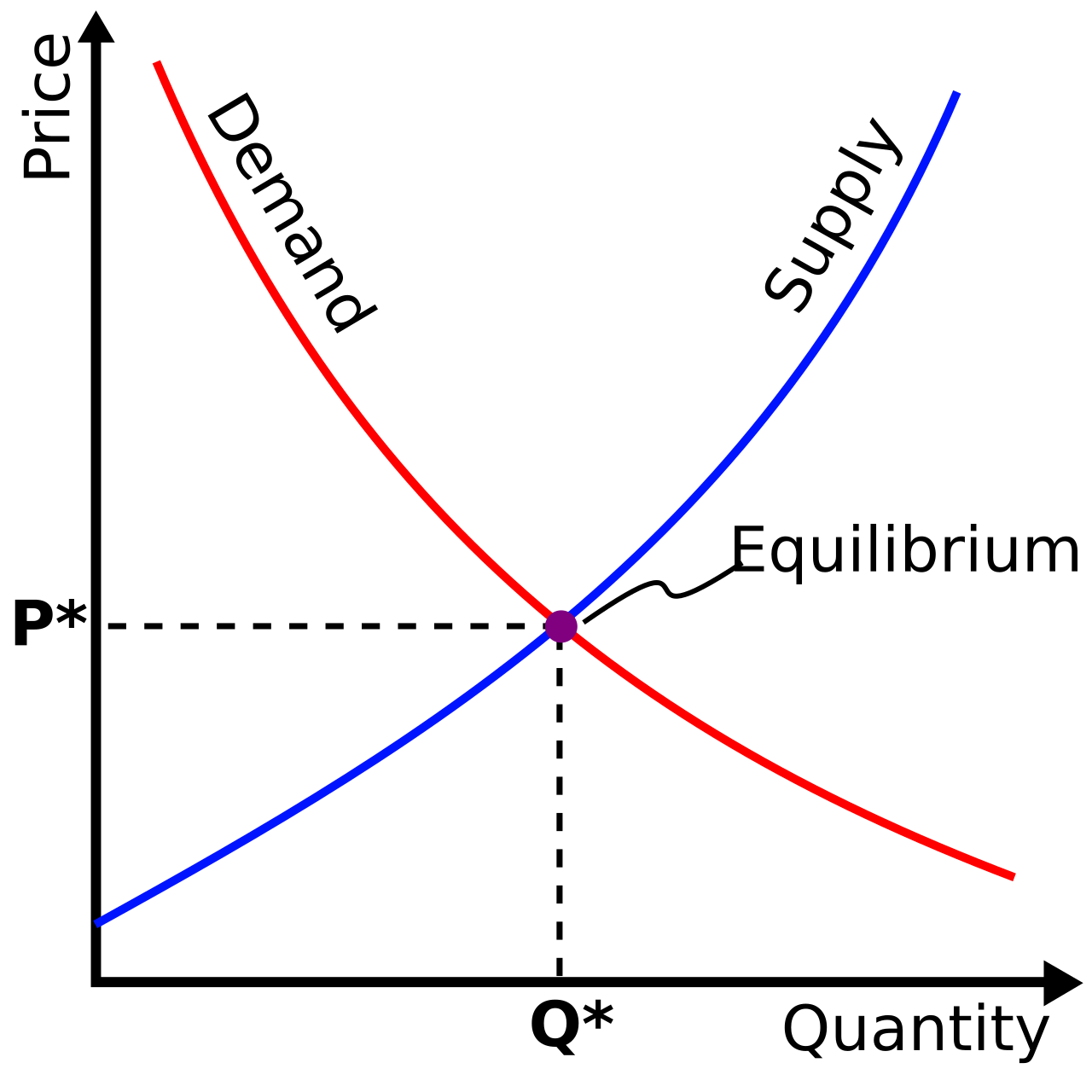 This migration theory states that the main reason for labour migration is wage difference between two geographic locations. These wage differences are usually linked to geographic labour demand and supply. It can be said that areas with a shortage of labour but an excess of capital have a high relative wage while areas with a high labour supply and a dearth of capital have a low relative wage. Labour tends to flow from low-wage areas to high-wage areas. Often, with this flow of labour comes changes in the sending and the receiving country. Neoclassical economic theory best describes transnational migration because it is not confined by international immigration laws and similar governmental regulations.[56] 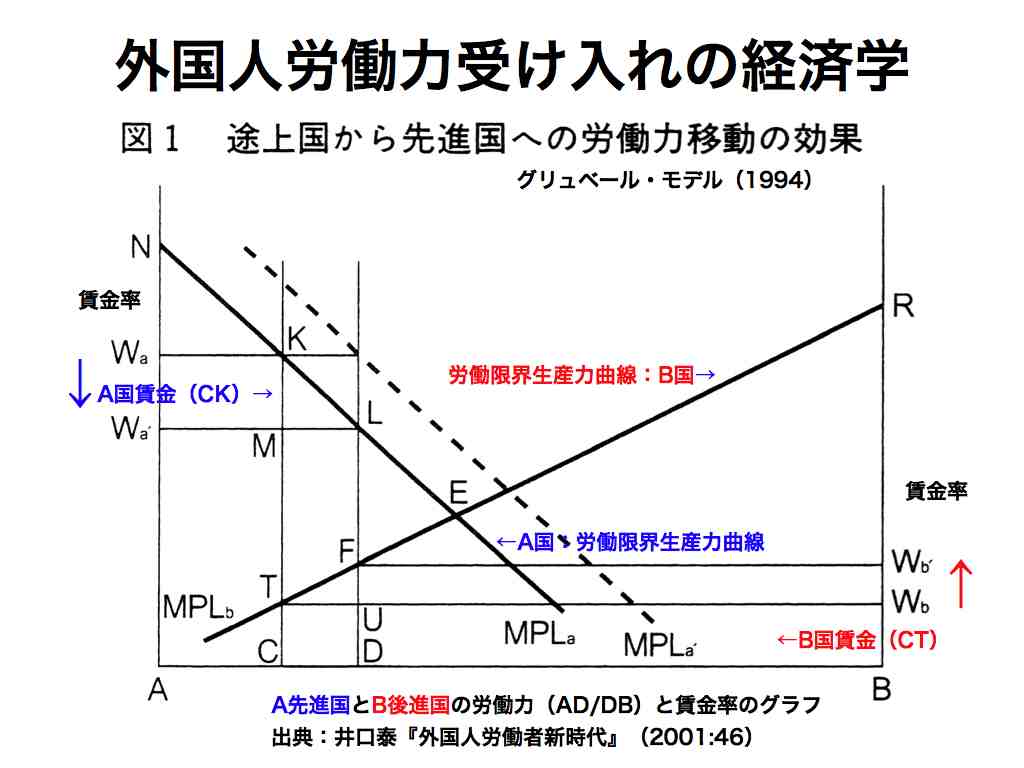 |
新古典派経済学理論 主な記事:新古典派経済学 この移住理論は、労働移住の主な原因は二つの地理的場所間の賃金格差にあると述べる。これらの賃金格差は通常、地理的な労働需要と供給に関連している。労 働力が不足しているが資本が過剰な地域は相対的に賃金が高く、労働供給が豊富だが資本が不足している地域は相対的に賃金が低いと言える。労働力は低賃金地 域から高賃金地域へ移動する傾向がある。この労働力の移動に伴い、送り出し国と受け入れ国双方に変化が生じることが多い。新古典派経済理論は、国際的な移 民法や政府規制に縛られないため、越境的な移住を最も適切に説明できる。[56] A先進国とB後進国の労働力(AD/DB)と賃金率のグラフ(→出典) |
| Dual labor market theory Dual labour market theory states that pull factors in more developed countries mainly cause migration. This theory assumes that the labour markets in these developed countries consist of two segments: the primary market, which requires high-skilled labour, and the secondary market, which is very labour-intensive, requiring low-skilled workers. This theory assumes that migration from less developed countries into more developed countries results from a pull created by a need for labour in the developed countries in their secondary market. Migrant workers are needed to fill the lowest rung of the labour market because the native labourers do not want to do these jobs as they present a lack of mobility. This creates a need for migrant workers. Furthermore, the initial dearth in available labour pushes wages up, making migration even more enticing.[56] |
二重労働市場理論 二重労働市場理論は、より発展した国々における引き寄せ要因が主に移民を引き起こすと主張する。この理論は、これらの先進国の労働市場が二つのセグメント から成ると仮定する。一次市場は高度な技能を必要とし、二次市場は労働集約的で低技能労働者を必要とする。この理論は、発展途上国から先進国への移民が、 先進国の二次的労働市場における労働力需要によって生じる引き寄せ効果の結果であると仮定している。移民労働者は、労働市場の最下層を埋めるために必要と される。なぜなら、現地の労働者は、移動性の欠如を伴うこれらの仕事を望まないからだ。これが移民労働者への需要を生み出す。さらに、当初の労働力不足が 賃金を押し上げ、移民をより魅力的にする。[56] |
| New economics of labor migration This theory states that migration flows and patterns cannot be explained solely at the level of individual workers and their economic incentives but that wider social entities must also be considered. One such social entity is the household. Migration can be viewed as a result of risk aversion from a household that has insufficient income. In this case, the household needs extra capital that can be achieved through remittances sent back by family members who participate in migrant labour abroad. These remittances can also have a broader effect on the economy of the sending country as a whole as they bring in capital.[56] Recent research has examined a decline in US interstate migration from 1991 to 2011, theorising that the reduced interstate migration is due to a decline in the geographic specificity of occupations and an increase in workers' ability to learn about other locations before moving there, through both information technology and inexpensive travel.[61] Other researchers find that the location-specific nature of housing is more important than moving costs in determining labour reallocation.[62] |
労働移民の新たな経済学 この理論は、移民の流れやパターンは、個々の労働者とその経済的動機だけで説明できるものではなく、より広範な社会的実体も考慮しなければならないと述べ ている。そうした社会的実体のひとつが世帯である。移住は、収入が不十分な世帯によるリスク回避の結果と見なせる。この場合、世帯は追加資本を必要とし、 それは海外で移住労働に従事する家族が送金することで得られる。こうした送金は資本を流入させるため、送り出し国全体の経済にも広範な影響を及ぼしうる [56]。近年の研究では、1991年から2011年にかけての米国における州間移動の減少が分析されている。この減少は、職業の地理的固有性の低下と、 情報技術や安価な移動手段によって、労働者が移住前に他地域について学ぶ能力が高まったことによるという理論が提唱されている[61]。他の研究者は、労 働力の再配分を決める上で、移動コストよりも住宅の場所固有性がより重要だと指摘している[62]。 |
| Relative deprivation theory Main article: Relative deprivation Relative deprivation theory states that awareness of the income difference between neighbours or other households in the migrant-sending community is essential in migration. The incentive to migrate is a lot higher in areas with a high level of economic inequality. In the short run, remittances may increase inequality, but in the long run, they may decrease it. There are two stages of migration for workers: first, they invest in human capital formation, and then they try to capitalise on their investments. In this way, successful migrants may use their new capital to provide better schooling for their children and better homes for their families. Successful high-skilled emigrants may serve as an example for neighbours and potential migrants who hope to achieve that level of success.[56] 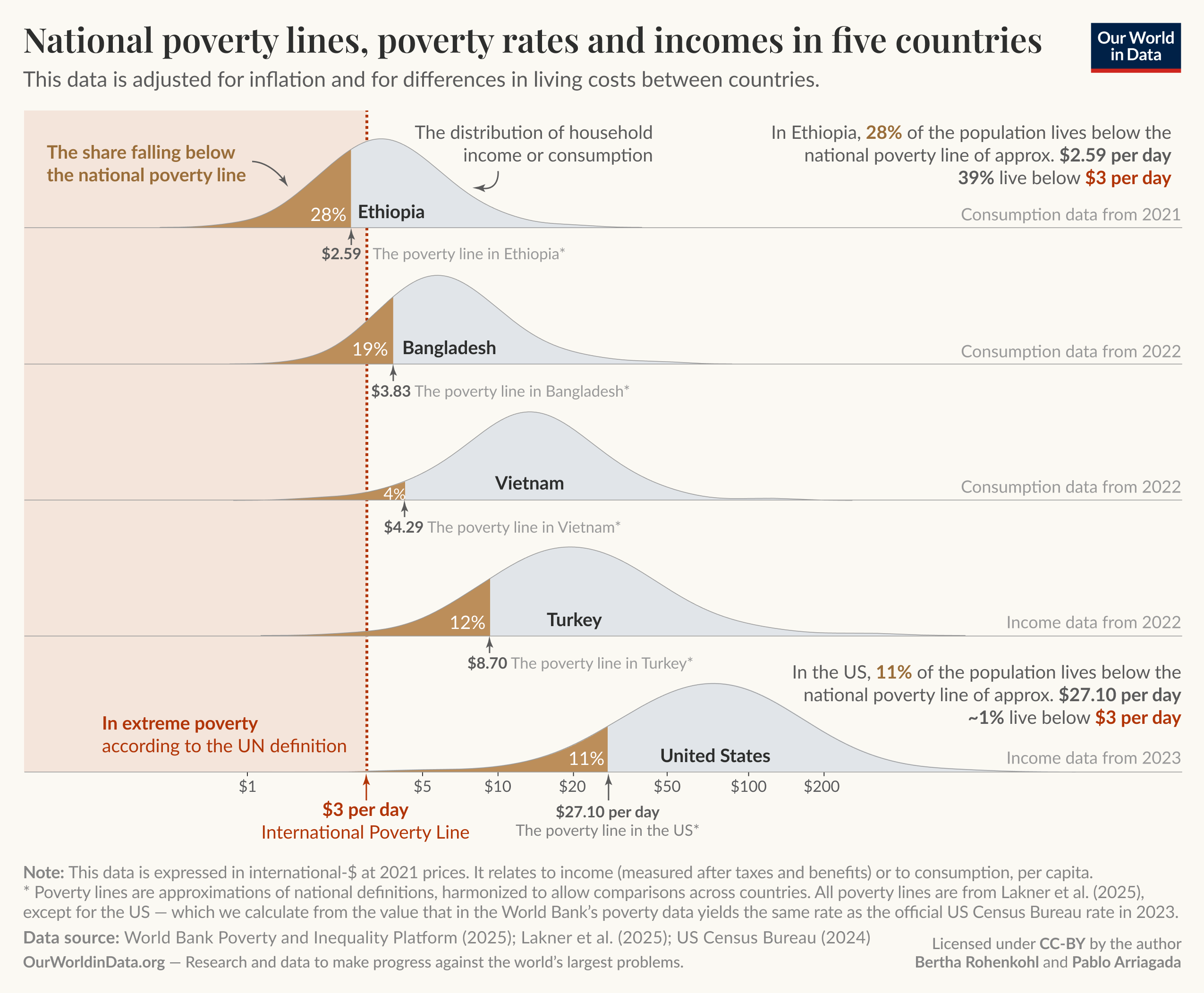 National poverty lines vary widely between countries.(source:Relative deprivation) |
相対的剥奪理論 詳細な記事: 相対的剥奪 相対的剥奪理論は、移住者出身地域における近隣住民や他世帯との所得格差の認識が移住に不可欠だと述べる。経済的不平等が深刻な地域では移住意欲が格段に 高まる。短期的には送金が不平等を拡大させるが、長期的には縮小させる可能性がある。労働者の移住には二段階がある。まず人的資本形成に投資し、次にその 投資を回収しようとする。こうして成功した移民は、新たな資本を活用して子供により良い教育を受けさせ、家族により良い住まいを提供できる。成功した高技 能移民は、近隣住民や潜在的な移民にとって、その成功レベルを達成したいと願う手本となり得る。[56] 各国の国民の貧困ラインは大きく異なる(source:Relative deprivation) |
| World systems theory World-systems theory looks at migration from a global perspective. It explains that interaction between different societies can be an important factor in social change. Trade with one country, which causes an economic decline in another, may create incentive to migrate to a country with a more vibrant economy. It can be argued that even after decolonisation, the economic dependence of former colonies remains on mother countries. However, this view of international trade is controversial, and some argue that free trade can reduce migration between developing and developed countries. It can be argued that the developed countries import labour-intensive goods, which causes an increase in the employment of unskilled workers in the less developed countries, decreasing the outflow of migrant workers. Exporting capital-intensive goods from rich countries to developing countries also equalises income and employment conditions, thus slowing migration. In either direction, this theory can be used to explain migration between countries that are geographically far apart.[56] |
世界システム論 世界システム論は、移民をグローバルな視点から考察する。異なる社会間の相互作用が社会変革の重要な要因となり得ると説明する。ある国との貿易が別の国の 経済衰退を引き起こす場合、より活気ある経済を持つ国への移住動機が生まれる可能性がある。脱植民地化後も、旧植民地の母国への経済的依存は継続すると主 張できる。しかし、この国際貿易に関する見解は議論の余地があり、自由貿易が発展途上国と先進国間の移民を減らす可能性を主張する者もいる。先進国が労働 集約的な製品を輸入することで、発展途上国における非熟練労働者の雇用が増加し、移民労働者の流出が減少すると論じられる。また、先進国から発展途上国へ の資本集約型製品の輸出は、所得と雇用条件の格差を縮小させるため、移民の流れを鈍化させる。いずれの方向においても、この理論は地理的に離れた国々間の 移民現象を説明するのに利用できるのである。[56] |
| Osmosis theory Based on the history of human migration[63] osmosis theory studies the evolution of its natural determinants. In this theory migration is divided into two main types: simple and complicated. The simple migration is divided, in its turn, into diffusion, stabilisation and concentration periods. During these periods, water availability, adequate climate, security and population density represent the natural determinants of human migration. The complicated migration is characterised by the speedy evolution and the emergence of new sub-determinants, notably earning, unemployment, networks, and migration policies. Osmosis theory[64] explains analogically human migration by the biophysical phenomenon of osmosis. In this respect, the countries are represented by animal cells, the borders by the semipermeable membranes and the humans by ions of water. According to the theory, according to the osmosis phenomenon, humans migrate from countries with less migration pressure to countries with high migration pressure. To measure the latter, the natural determinants of human migration replace the variables of the second principle of thermodynamics used to measure the osmotic pressure. |
浸透理論 人類移動の歴史に基づき[63]、浸透理論はその自然決定要因の進化を研究する。この理論では移動は主に二種類に分けられる:単純移動と複雑移動である。 単純な移動はさらに拡散期、安定化期、集中期に分けられる。これらの期間において、水資源の確保、適切な気候、安全保障、人口密度が人間の移動を決定する 自然要因となる。複雑な移動は急速な進化と新たな副次要因の出現を特徴とし、特に所得、失業、ネットワーク、移住政策が挙げられる。浸透理論[64]は、 人間の移動を生物物理学的現象である浸透に類推して説明する。この理論では、国は動物細胞、国境は半透膜、人間は水イオンに例えられる。浸透現象に従い、 人間は移住圧力の低い国から高い国へ移動する。この移住圧力を測定するため、人間の移住における自然決定要因が、浸透圧を測る熱力学第二法則の変数に置き 換えられる。 |
| Social-scientific theories |
社会科学理論 |
| Sociology Main article: Sociology of immigration A number of social scientists have examined immigration from a sociological perspective, paying particular attention to how immigration affects and is affected by, matters of race and ethnicity, as well as social structure. They have produced three main sociological perspectives: symbolic interactionism, which aims to understand migration via face-to-face interactions on a micro-level social conflict theory, which examines migration through the prism of competition for power and resources structural functionalism (based on the ideas of Émile Durkheim), which examines the role of migration in fulfilling certain functions within each society, such as the decrease of despair and aimlessness and the consolidation of social networks In the 21st century, as attention has shifted away from countries of destination, sociologists have attempted to understand how transnationalism allows us to understand the interplay between migrants, their countries of destination, and their countries of origins.[65] In this framework, work on social remittances by Peggy Levitt and others has led to a stronger conceptualisation of how migrants affect socio-political processes in their countries of origin.[66] Much work also takes place in the field of integration of migrants into destination-societies.[67] |
社会学 主な記事: 移民の社会学 多くの社会科学者が移民を社会学的視点から検討し、特に移民が人種や民族性、社会構造に与える影響、またそれらから受ける影響に注目してきた。彼らは主に 三つの社会学的視点を生み出した: 象徴的相互作用論:ミクロレベルでの対面的な相互作用を通じて移民を理解しようとする 社会葛藤理論:権力と資源をめぐる競争というレンズを通して移民を考察する 構造機能主義(エミール・デュルケームの思想に基づく):絶望や目的喪失の減少、社会ネットワークの強化など、各社会内で特定の機能を充足する移民の役割 を考察する 21世紀に入り、注目が移住先国から離れるにつれ、社会学者たちはトランスナショナル主義が、移民と移住先国、そして出身国との相互作用をどう理解させる かを解明しようとしている。[65] この枠組みにおいて、ペギー・レヴィットらによる社会的送金に関する研究は、移民が出身国の社会政治的プロセスに与える影響をより明確に概念化する基盤と なった。[66] また、移民の目的地社会への統合に関する研究も数多く行われている。[67] |
| Political science Political scientists have put forth a number of theoretical frameworks relating to migration, offering different perspectives on processes of security,[68][69] citizenship,[70] and international relations.[71] The political importance of diasporas has also become in the 21st century a growing field of interest, as scholars examine questions of diaspora activism,[72] state-diaspora relations,[73] out-of-country voting processes,[74] and states' soft power strategies.[75] In this field, the majority of work has focused on immigration politics, viewing migration from the perspective of the country of destination.[76] With regard to emigration processes, political scientists have expanded on Albert Hirschman's framework on '"voice" vs. "exit" to discuss how emigration affects the politics within countries of origin.[77][78] |
政治学 政治学者たちは、移住に関連する数多くの理論的枠組みを提唱してきた。それらは安全保障[68][69]、市民権[70]、国際関係といったプロセスにつ いて異なる視点を提供している。[71] 21世紀に入り、ディアスポラの政治的重要性も関心の高まる分野となっている。研究者らはディアスポラ活動[72]、国家とディアスポラの関係[73]、 国外投票プロセス[74]、国家のソフトパワー戦略といった問題を検証している。この分野では、研究の大半が移民政策に焦点を当て、移住を目的地国の視点 から捉えている[76]。一方、出国プロセスに関しては、政治学者たちがアルバート・ハーシュマンの「発言(voice)」対「退出(exit)」の枠組 みを発展させ、出国が母国内の政治にどう影響するかを論じている[77][78]。 |
| Historical theories |
歴史理論 |
| Ravenstein icon This section does not cite any sources. Please help improve this section by adding citations to reliable sources. Unsourced material may be challenged and removed. (May 2020) (Learn how and when to remove this message) Certain laws of social science have been proposed to describe human migration. The following was a standard list after Ernst Georg Ravenstein's proposal in the 1880s: 1. every migration flow generates a return or counter migration. 2. the majority of migrants move a short distance. 3. migrants who move longer distances tend to choose big-city destinations. 4. urban residents are often less migratory than inhabitants of rural areas. 5. families are less likely to make international moves than young adults. 6. most migrants are adults. 7. large towns grow by migration rather than natural increase. 8. migration stage by stage (step migration). 9. urban, rural difference. 10. migration and technology. 11. economic condition. Push and pull Demographer Everett S. Lee's model divides factors causing migrations into two groups of factors: push and pull. Push factors are things that are unfavourable about the home area that one lives in, and pull factors are things that attract one to another host area.[79][80] Push factors: Not enough jobs Few opportunities Conscription (draft young men into army) Famine or drought Political fear of persecution Poor medical care Loss of wealth Natural disasters Death threats Desire for more political or religious freedom Pollution Poor housing Discrimination Poor chances of marrying War or threat of invasion Disease Pull factors: Job opportunities Better living conditions The feeling of having more political or religious freedom Enjoyment Education Better medical care Attractive climates Security Family links Industry Better chances of marrying Climate cycles The modern field of climate history suggests that the successive waves of Eurasian nomadic movement throughout history have had their origins in climatic cycles, which have expanded or contracted pastureland in Central Asia, especially Mongolia and to its west the Altai Mountains. People were displaced from their home ground by other tribes trying to find land that essential flocks could graze, each group pushing the next further to the south and west, into the highlands of Anatolia, the Pannonian Plain, into Mesopotamia, or southwards, into the rich pastures of China. Bogumil Terminski uses the term "migratory domino effect" to describe this process in the context of Sea People invasion.[81] Food, sex, and security The theory is that migration occurs because individuals search for food, sex and security outside their usual habitation; Idyorough (2008) believes that towns and cities are a creation of the human struggle to obtain food, sex and security. To produce food, security and reproduction, human beings must, out of necessity, move out of their usual habitation and enter into indispensable social relationships that are cooperative or antagonistic. Human beings also develop the tools and equipment to interact with nature to produce the desired food and security. The improved relationship (cooperative relationships) among human beings and improved technology further conditioned by the push and pull factors all interact together to cause or bring about migration and higher concentration of individuals into towns and cities. The higher the technology of production of food and security and the higher the cooperative relationship among human beings in the production of food and security and the reproduction of the human species, the higher would be the push and pull factors in the migration and concentration of human beings in towns and cities. Countryside, towns and cities do not just exist, but they do so to meet the basic human needs of food, security and the reproduction of the human species. Therefore, migration occurs because individuals search for food, sex and security outside their usual habitation. Social services in the towns and cities are provided to meet these basic needs for human survival and pleasure.[82] Other models Zipf's inverse distance law (1956) Gravity model of migration and the friction of distance Radiation law for human mobility Buffer theory Stouffer's theory of intervening opportunities (1940) Zelinsky's Mobility Transition Model (1971) Bauder's regulation of labour markets (2006): "suggests that the international migration of workers is necessary for the survival of industrialised economies...[It] turns the conventional view of international migration on its head: it investigates how migration regulates labour markets, rather than labour markets shaping migration flows."[83] |
ラヴェンシュタイン アイコン この節は出典を一切示していない。信頼できる出典を引用してこの節を改 善してほしい。出典のない記述は異議を唱えられ、削除される可能性がある。(2020年5月)(このメッセージを削除する方法と時期について学ぶ) 人間の移住を説明する社会科学の法則がいくつか提唱されている。以下は1880年代にエルンスト・ゲオルク・ラヴェンシュタインが提案した標準的なリスト である: 1. あらゆる移住の流れは帰還または逆移住を生む。 2. 移住者の大半は短距離を移動する。 3. 長距離を移動する移住者は大都市を目的地とする傾向がある。 4. 都市住民は農村住民より移動率が低いことが多い。 5. 家族単位の国際移動は若年成人より発生率が低い。 6. 移住者の大半は成人である。 7. 大都市は自然増加より移住によって成長する。 8. 段階的移住(ステップ移住)。 9. 都市と農村の差異。 10. 移住と技術。 11. 経済状況。 押しと引き 人口統計学者エヴェレット・S・リーのモデルは、移住を引き起こす要因を二つのグループに分類する:押し要因と引き要因である。押し要因とは、居住する出 身地域における不利な要素であり、引き要因とは、別の受け入れ地域へ人を惹きつける要素である。[79][80] プッシュ要因: 仕事不足 機会の少なさ 徴兵(若年男性の軍隊への徴用) 飢饉や干ばつ 迫害への政治的恐怖 医療の貧弱さ 財産の喪失 自然災害 死の脅威 より多くの政治的・宗教的自由への渇望 汚染 劣悪な住居 差別 結婚機会の乏しさ 戦争や侵略の脅威 疾病 プル要因: 雇用機会 より良い生活環境 政治的・宗教的自由の拡大感 娯楽 教育 医療水準の向上 魅力的な気候 安全保障 家族関係 産業 結婚機会の増加 気候変動 現代の気候史研究によれば、ユーラシアにおける遊牧民の移動は、気候変動によって中央アジア(特にモンゴル及び西方のアルタイ山脈)の牧草地が拡大・縮小 したことに起因する。人々は、家畜の放牧地を求めて移動する他の部族によって故郷から追いやられ、各集団が次々に南や西へと押し出され、アナトリア高原、 パノニア平原、メソポタミア、あるいは南方の中国の豊かな牧草地へと向かった。ボグミル・テルミンスキは、この過程を「移動のドミノ効果」と呼び、海の民 の侵入の文脈で説明している[81]。 食糧、性、安全 移住は、個人が通常の居住地外で食糧、性、安全を求めるために発生するという理論がある。アイディルー(2008)は、町や都市は食糧、性、安全を得るた めの人間の闘争が生み出したものだと考えている。食糧生産、安全確保、繁殖のためには、人間は必要に迫られて通常の居住地を離れ、協力的あるいは敵対的な 不可欠な社会的関係に入らねばならない。人間はまた、望ましい食糧と安全を生み出すために自然と関わる道具や設備を発達させる。人間同士の改善された関係 (協力関係)と技術進歩は、さらに押し引き要因によって条件付けられ、相互に作用して移住を引き起こし、個体を町や都市へより集中させる。食糧と安全の生 産技術が高度化し、食糧・安全の生産および人類の繁殖における協力関係が強化されるほど、都市部への移住と人口集中を促す押し引き要因は強まる。農村・ 町・都市は単なる存在ではなく、食糧・安全・人類繁殖という人間の基本的欲求を満たすために存在する。したがって、移住は個人が通常の居住地外で食糧、 性、安全を求めるために発生する。都市部の社会サービスは、人間の生存と快楽のためのこれらの基本的欲求を満たすために提供される。[82] その他のモデル ジップの逆距離法則(1956年) 移住の重力モデルと距離摩擦 人間の移動に関する放射状法則 緩衝地帯理論 ストウファーの中間機会理論 (1940) ゼリンスキーの移動性遷移モデル (1971) バウダーの労働市場調整理論 (2006): 「労働者の国際移住は工業化経済の存続に不可欠だと示唆している...[これは] 従来の国際移住観を覆す:移住が労働市場を形作るのではなく、移住が労働市場を調整する仕組みを検証するのだ。」[83] |
| https://en.wikipedia.org/wiki/Human_migration |
→「移民」 |
「こ
の世に生きていて私がもっているとわかる権利はひとつだけ。他人に人間らしいふるまいを
求める権利である」——フランツ・ファノン(1952)
「勝 てばドイツ人だが負ければ移民」。ドイツの名門 サッカークラブ・アーセナルに所属するメスト・エジル(29)は2018年7月22日、ドイツ代表からの引退を表明したが、その声明の理由にあるのがこの 発言である。エジルはトルコ系の移民出身だが、その直前のW杯前にトルコの再選されたレジェップ・タイイップ・エルドアン大統領と写真をとっていることだ (トルコとの全体主義化と、反ドイツ姿勢を隠さないエルドアンに対するドイツ全体の反感というものがある)。
ベ ンジャミン・パウエル編『移民の経済学』東洋経済 新報社、2016年というのは、コンパクトですが、なかなかわかりやすくて面白い本です。北米移民の経済学のレビューで構成されています。結論としては、 労働者の国際移動は、デメリットよりもメリットのほうが凌駕するので、負の側面を(鍵穴的パッチをあてる政策ではなく)総合的な観点からコントロールする のが一番のベストだという主張です。僕は、これはなかなかいけているし、このような説得の方法は日本の政策担当者にも耳を貸してくれる説明戦略だと思いま した。これに質的な情報が入れば、さまざまな実践報告書の最終案にも使えそうな構成になっています。
さ てラッセル・セージ財団(Russell Sage Foundation)が"Race, Ethnicity, and Immigration" に関する研究助成をおこなっています(2018年7月20日現在)。このような研究助成に関する応募要項のなかに、どのような社会状況のなかで、これらの 研究は必要であるのかきちんと書かれています。このような情報提供は、スポンサーと助成申請する人の〈価値観〉のすり合わせにとても重要な情報です。皆さ んの参考にしましょう!
「私
がコーネル大学に戻ってすぐ、エリックはスロー
ン財団を退任して、同じニューヨークにあるラッセル・セージ財団の会長に就任した。同財団は、貧困や移民といった重要な社会政策問題に取り組むことを使命
に掲げており、行動経済学は中心的な課題として位置づけられていたわけではなかったが、理事会はエリックを三顧の礼で迎え、行動経済学への支援を継続する
ことを認めた。当然ながら、新しい学問分野をどう育てるかということについては、エリックも私もさっぱり見当がつかなかったが、2人でない知恵をがんばっ
て振り絞った」——リチャード・セイラー『行動経済学の逆襲』254ページ
★ 大前提
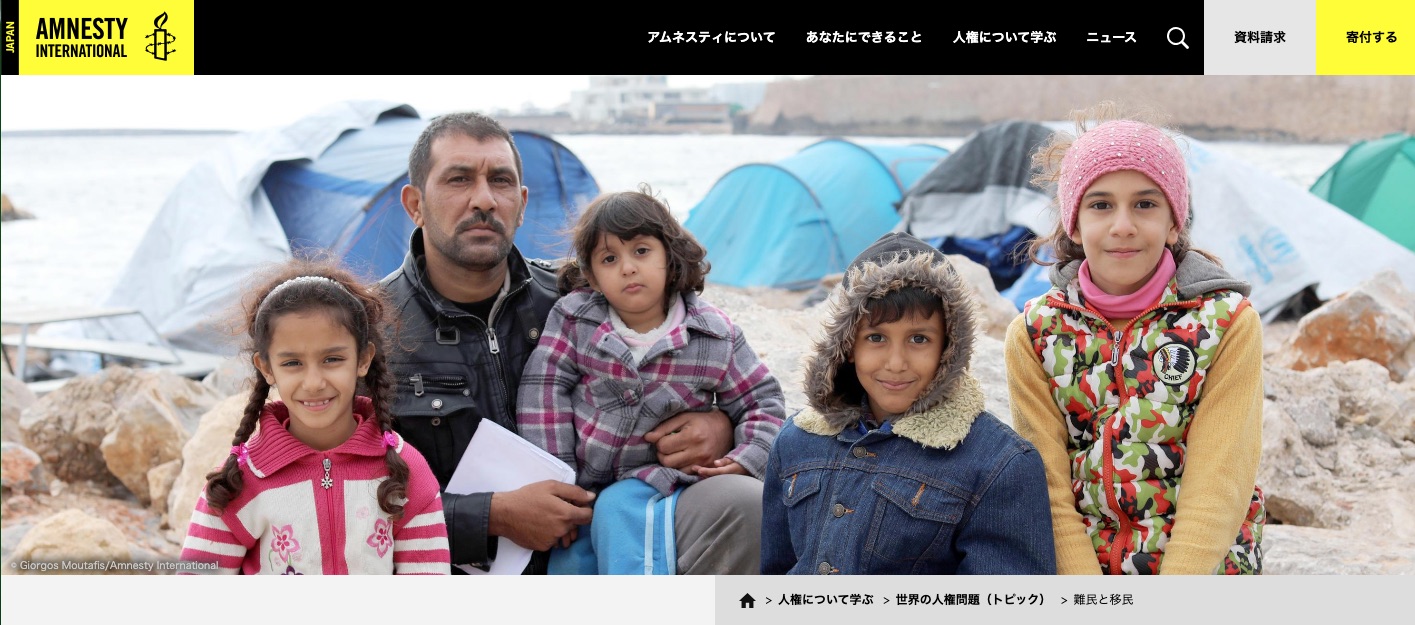
「移 民の権利 すべての人びとと同様に、移民の人たちには、生きる権利、恣意的な拘禁や拷問を受けない権利、適切な生活水準の権利があります。 移住労働者の権利に特に言及した国際法基準では、国 際労働機関(ILO)条約があります。 2003年7月1日、す べての移住労働者とその家族の権利保護に関する条約が発効しました」難 民と移民(アムネスティ・インターナショナル)
■
基礎資料の提示
移 民の経済学 / ベンジャミン・パウエル編 ; 佐藤綾野, 鈴木久美, 中田勇人訳,東洋経済新報社 (2016).原著は、The economics of immigration : market-based approaches, social science, and public policy,edited by Benjamin Powell. Oxford University Press c2015
関連リンク
■基本用語集
理論的課題
学習用リンク集
政治経済問題としての移民労働
文化的問題としての移民や移動
この研究のスポンサー
文献
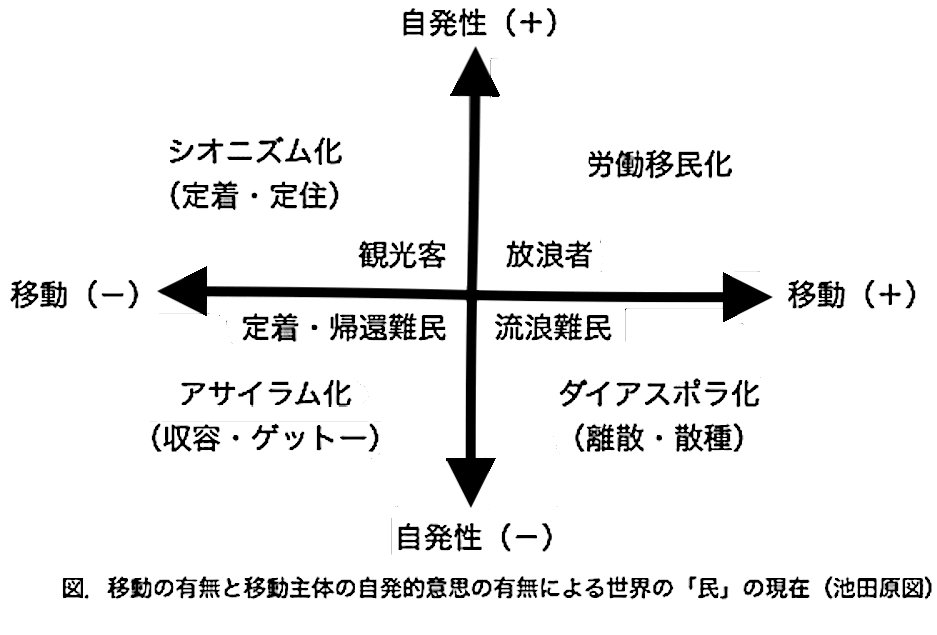
この上図の出典は「コンフリクトと 移民:その新しい研究にむけて」からの引用となります。画面クリックでリンク します。
Copyleft, CC, Mitzub'ixi Quq Chi'j, 1996-2099++
Copyleft,
CC, Mitzub'ixi Quq Chi'j, 1996-2099