Catch 22 (twenty two)
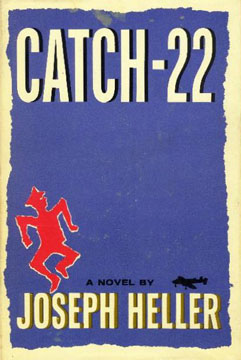
キャッチ22
Catch 22 (twenty two)
解説:池田光穂
★『キャッチ・22』[Catch-22]は、アメリカの作家ジョセ フ・ヘラーによる風刺的な戦争小説である。これは彼の処女作である。彼は1953年に執筆を開始し、1961年に初めて出版された。20世紀で最も重要な 小説の一つとしてしばしば挙げられる[3]この作品は、独特な非時系列的な全知の第三者視点による語り口を用い、異なる登場人物たちの視点から出来事を描 いている。個々のストーリーラインは時系列順ではないため、物語の展開とともに時間軸が構築されていく。 この小説の舞台は第二次世界大戦中の1942年から1944年である。主に、米陸軍航空隊のB-25爆撃機搭乗員であるアンチヒーロー、ジョン・ヨサリア ン大尉の生活を描いている。物語の大部分は、架空の第256米陸軍航空中隊がイタリア本土の西、地中海のピアーノサ島に駐留している間に起こるが、コロラ ド州ローリー・フィールドでの基礎訓練や、カリフォルニア州サンタアナ陸軍航空基地での航空隊訓練のエピソードも含まれている。この小説は、ヨサリアンと その仲間たちの体験を通じて、戦争と軍隊生活の不条理を描いている。彼らは、任務を遂行して帰還を果たす一方で、正気を保とうと奮闘する。 本書は1970年にマイク・ニコルズ監督によって映画化され、2019年にはジョージ・クルーニー製作によるミニシリーズ化された。1994年、ヘラーは 『クロージング・タイム』と題した続編を出版した。
| Catch-22 is a
satirical war novel by American author Joseph Heller. It was his debut
novel. He began writing it in 1953; the novel was first published in
1961. Often cited as one of the most significant novels of the 20th
century,[3] it uses a distinctive non-chronological third-person
omniscient narration, describing events from the points of view of
different characters. The separate storylines are out of sequence so
the timeline develops along with the plot. The novel is set during World War II, from 1942 to 1944. It mainly follows the life of antihero Captain John Yossarian, a U.S. Army Air Forces B-25 bombardier. Most of the events in the book occur while the fictional 256th US Army Air Squadron is based on the island of Pianosa, in the Mediterranean Sea west of the Italian mainland, although it also includes episodes from basic training at Lowry Field in Colorado and Air Corps training at Santa Ana Army Air Base in California. The novel examines the absurdity of war and military life through the experiences of Yossarian and his cohorts, who attempt to maintain their sanity while fulfilling their service requirements so that they may return home. The book was made into a film adaptation in 1970, directed by Mike Nichols, and a miniseries in 2019, produced by George Clooney. In 1994, Heller published a sequel to the novel titled Closing Time. |
『キャッチ・22』[Catch-22]は、アメリカの作家ジョセ
フ・ヘラーによる風刺的な
戦争小説である。これは彼の処女作である。彼は1953年に執筆を開始し、1961年に初めて出版された。20世紀で最も重要な小説の一つとしてしばしば
挙げられる[3]この作品は、独特な非時系列的な全知の第三者視点による語り口を用い、異なる登場人物たちの視点から出来事を描いている。個々のストー
リーラインは時系列順ではないため、物語の展開とともに時間軸が構築されていく。 この小説の舞台は第二次世界大戦中の1942年から1944年である。主に、米陸軍航空隊のB-25爆撃機搭乗員であるアンチヒーロー、ジョン・ヨサリア ン大尉の生活を描いている。物語の大部分は、架空の第256米陸軍航空中隊がイタリア本土の西、地中海のピアーノサ島に駐留している間に起こるが、コロラ ド州ローリー・フィールドでの基礎訓練や、カリフォルニア州サンタアナ陸軍航空基地での航空隊訓練のエピソードも含まれている。この小説は、ヨサリアンと その仲間たちの体験を通じて、戦争と軍隊生活の不条理を描いている。彼らは、任務を遂行して帰還を果たす一方で、正気を保とうと奮闘する。 本書は1970年にマイク・ニコルズ監督によって映画化され、2019年にはジョージ・クルーニー製作によるミニシリーズ化された。1994年、ヘラーは 『クロージング・タイム』と題した続編を出版した。 |
| Synopsis The main character, Yossarian, is introduced in the setting of a military hospital where he has retreated under the guise of a chronic liver condition to avoid flying further combat missions since he has grown disillusioned with the war effort and distrustful of his commanding officers. Throughout the novel, the commanding officers show extreme disregard for the lives of their troops and are all too willing to sacrifice their men to further their own ends. In particular, Colonel Cathcart volunteers his unit to fly dangerous missions and forces his men to fly more combat missions than any other unit, constantly raising the number of missions necessary to complete a tour of duty so that the men can never return home, because he wishes to be seen as brave by his superiors even though he has only ever flown one combat mission. After flying forty-four combat missions, Yossarian has become traumatized by aerial combat and witnessing the deaths of his friends; he is terrified of being killed in action during each combat mission, but still succeeds in flying twenty-seven more missions over the course of the novel, totaling seventy-one by the end. As the novel progresses, Yossarian's moral character and courage emerge more clearly, in contrast to his seeming selfishness and cowardice when first introduced. He is shown to be an honest, loyal, and able flyer who has been pushed to desperation by the selfishness and cowardice of the authorities responsible for him, especially doctors and military leaders. The development of the novel can be split into sections: The first (chapters 1–11) broadly follows the story fragmented between characters, but in a single chronological time in 1944. The second (chapters 12–20) flashes back to focus primarily on the "Great Big Siege of Bologna" before once again jumping to the third part. The third (chapter 21–25) is the chronological present of 1944. The fourth (chapters 26–28) flashes back to the origins and growth of Milo's syndicate. The fifth part (chapters 28–32) returns again to the narrative present and maintains the tone of the previous four. The sixth and final part (chapter 32 and on) remains in the story's present, but takes a much darker turn and emphasizes the darkness and brutality of war and life in general.[4] For most of the book, the reader is cushioned from directly experiencing the full horror of war, but the existence of these horrors is implied by the extreme trauma and fear that afflicts the airmen. In the final section, these events are laid bare. The horror begins with a pointless attack on an undefended Italian mountain village, with the succeeding chapters incorporating depictions of despair (Doc Daneeka and the chaplain), disappearance in combat (Orr and Clevinger), disappearance caused by the army (Dunbar) and death of most of Yossarian's friends (Nately, McWatt, Kid Sampson, Dobbs, Chief White Halfoat and Hungry Joe), culminating in the horrors of Chapter 39, in particular Aarfy's rape and murder of the innocent young woman Michaela.[4] In Chapter 41 the full details of the death of Snowden are finally revealed. Nevertheless, the novel ends on an upbeat note with Yossarian learning of Orr's miraculous escape to Sweden and Yossarian's pledge to follow him there. |
あらすじ 主人公のヨサリアンは、軍事病院という舞台で登場する。彼は戦争への幻滅と指揮官への不信感から、さらなる戦闘任務を回避するため、慢性肝疾患を装ってこ の病院に身を隠していた。小説全体を通して、指揮官たちは部下の命を極度に軽視し、自らの目的を達成するためなら部下を犠牲にすることにも躊躇しない。特 にキャスカート大佐は、自らの部隊を危険な任務に志願させ、他のどの部隊よりも多くの戦闘任務を部下に強いる。彼は、自身はたった一度しか戦闘任務を遂行 したことがないにもかかわらず、上官から勇敢だと見られたいがために、任務期間を満了するために必要な任務数を絶えず引き上げ、兵士たちが決して帰還でき ないようにしているのだ。44回の戦闘任務をこなした後、ヨサリアンは空中戦や友人の死を目の当たりにしてトラウマを抱えるようになった。彼は毎回の任務 で戦死するのではないかと恐怖に駆られているが、それでも小説の展開の中でさらに27回の任務をこなし、最終的に計71回に達する。物語が進むにつれ、ヨ サリアンの道徳的性格と勇気がより鮮明に浮かび上がる。これは、登場当初に見られた利己的かつ臆病な姿とは対照的だ。彼は、特に医師や軍指導者といった、 彼を管轄する権力者たちの利己心と臆病さによって絶望の淵に追いやられた、誠実で忠実、かつ有能なパイロットであることが示される。 小説の展開は、以下のセクションに分けられる: 第一部(第1章~第11章)は、登場人物ごとに断片化された物語を概ね追うが、1944年という単一の年代軸に沿っている。 第二部(第12章~第20章)はフラッシュバックを用い、主に「ボローニャの大包囲戦」に焦点を当てた後、再び第三部へと飛ぶ。 第3部(第21章~第25章)は、1944年の現在進行形の物語である。 第4部(第26章~第28章)は、ミロのシンジケートの起源と成長に遡る。 第5部(第28章~第32章)は再び現在の物語に戻り、前の4部と同様のトーンを維持している。 第6部(第32章以降)は物語の現在に留まるが、はるかに暗い展開となり、戦争および人生全般の闇と残虐性を強調している。[4] 本書の大部分において、読者は戦争の全容を直接体験することから守られているが、飛行士たちを苦しめる極度のトラウマや恐怖によって、そうした恐怖の存在 が暗示されている。最終章では、これらの出来事が露わになる。恐怖は、無防備なイタリアの山村への無意味な攻撃から始まり、続く章では絶望(ドク・ダニカ と軍牧師)、戦闘中の行方不明(オアとクレヴィンジャー)、軍による行方不明(ダンバー)、そしてヨサリアンの友人の大半の死(ネイタリー、マクワット、 キッド・サンプソン、ドブス、ホワイト・ハーフオート軍曹、ハングリー・ジョー)の死が描かれ、第39章の恐怖、とりわけアーフィーによる無垢な若い女性 ミカエラの強姦と殺害で頂点に達する。[4] 第41章では、スノーデンの死の全容がついに明かされる。 それにもかかわらず、小説は明るい調子で終わる。ヨサリアンはオアが奇跡的にスウェーデンへ脱出したことを知り、彼を追ってそこへ行くことを誓うのであ る。 |
Style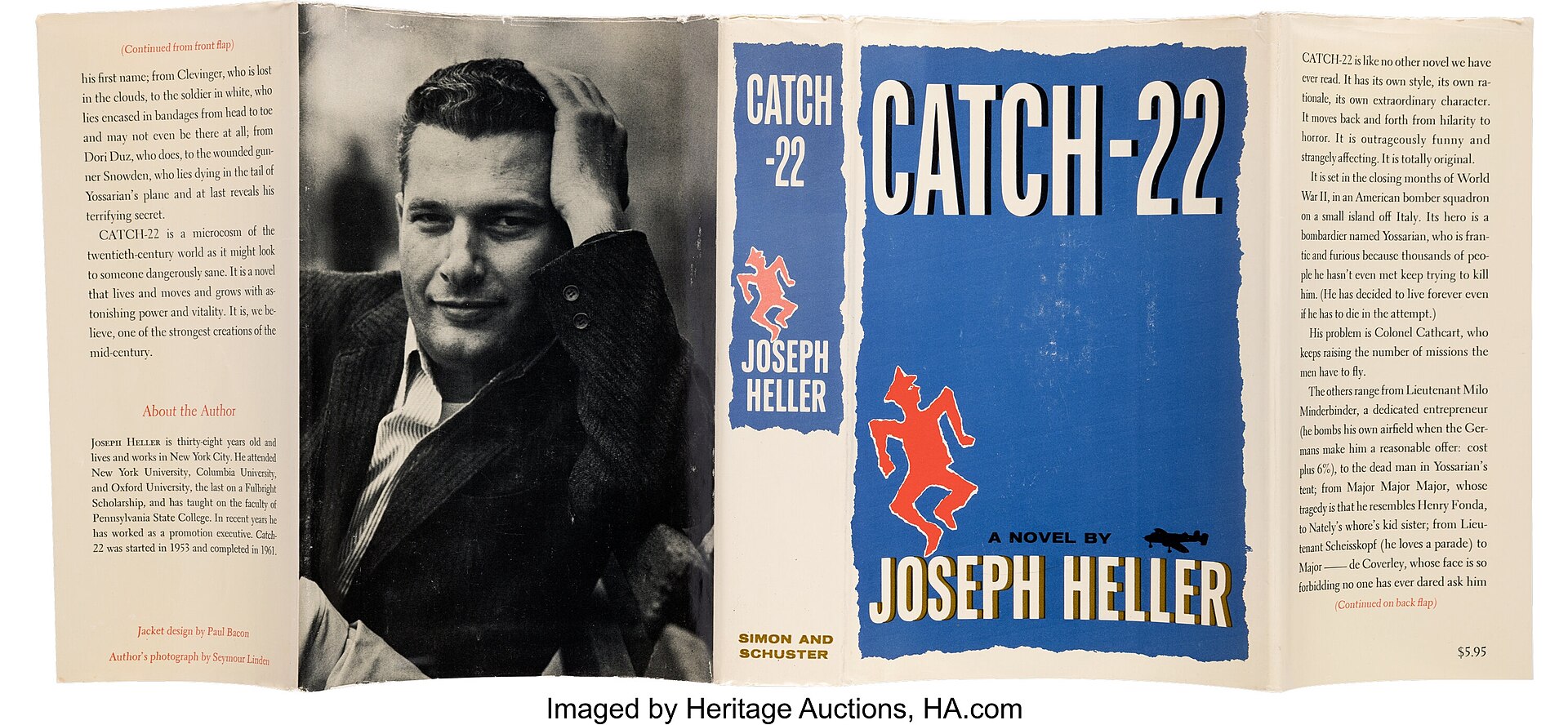 Catch-22 dust jacket, first edition (1961) Many events in the book are repeatedly described from differing points of view, so the reader learns more about each event from each iteration, with the new information often completing a joke, the setup of which was told several chapters previously. The narrative's events are out of sequence, but events are referred to as if the reader is already familiar with them so that the reader must ultimately piece together a timeline of events. Specific words, phrases, and questions are also repeated frequently, generally to comic effect.[citation needed] Much of Heller's prose in Catch-22 is circular and repetitive, exemplifying in its form the structure of a Catch-22. Circular reasoning is widely used by some characters to justify their actions and opinions. Heller revels in paradox. For example: "The Texan turned out to be good-natured, generous and likable. In three days no one could stand him," and "The case against Clevinger was open and shut. The only thing missing was something to charge him with." This atmosphere of apparently logical irrationality pervades the book.[citation needed] This style is also recognizable regarding how exactly Clevinger's trial would be executed by Lieutenant Scheisskopf: "As a member of the Action Board, Lieutenant Scheisskopf was one of the judges who would weigh the merits of the case against Clevinger as presented by the prosecutor. Lieutenant Scheisskopf was also the prosecutor. Clevinger had an officer defending him. The officer defending him was Lieutenant Scheisskopf."[5]: 76 While a few characters are most prominent, especially Yossarian and the Chaplain, the majority of named characters are described in detail with fleshed out or multidimensional personas to the extent that there are few if any "minor characters". There are no traditional heroes in the novel, reflecting the underlying commentary that war has no heroes, only victims.[6] Although its nonchronological structure may at first seem random, Catch-22 is highly structured. It is founded on a structure of free association; ideas run into one another through seemingly random connections. For example, Chapter 1, titled "The Texan", ends with "everybody but the CID man, who had caught a cold from the fighter captain and come down with pneumonia."[5]: 24 Chapter 2, titled "Clevinger", begins with "In a way, the CID man was pretty lucky because outside the hospital the war was still going on."[5]: 25 The CID man connects the two chapters like a free association bridge and eventually Chapter 2 flows from the CID man to Clevinger through more free association links. As Heller utilizes an episodic structure for most of the novel, many chapters may appear to be a disjointed series of events with little or no connection with each other. However, individual chapters often deal with thematically unique ideas, such as Chapter 11 (“Captain Black”) which parodies Red Scare-era McCarthyism, and Chapter 18 (“The Soldier Who Saw Everything Twice”) which explores theological concepts of mortality. |
スタイル 『キャッチ・22』初版(1961年)のカバー 本書では多くの出来事が異なる視点から繰り返し描かれているため、読者はその都度、各出来事について新たな情報を得ることになる。その新たな情報は、しば しば数章前に伏線が張られていたジョークのオチを完成させるものである。物語の出来事は時系列順ではないが、読者がすでにそれらを知っているかのように言 及されるため、読者は最終的に出来事のタイムラインを組み立てなければならない。特定の単語、フレーズ、質問も頻繁に繰り返され、一般的にはコミカルな効 果を生んでいる。[出典必要] 『キャッチ・22』におけるヘラーの散文の多くは循環的で反復的であり、その形式においてキャッチ・22の構造を体現している。一部の登場人物は、自らの 行動や意見を正当化するために循環論法を多用している。ヘラーはパラドックスを好んで用いる。例えば、「テキサス人は気さくで、気前が良く、好感の持てる 人物だった。しかし3日も経たないうちに、誰も彼に我慢できなくなった」や、「クレヴィンガーに対する訴追は明白だった。欠けていたのは、彼を起訴する根 拠だけだった」といった具合だ。この一見論理的でありながら非合理的な雰囲気が、本書全体に漂っている。[出典必要] このスタイルは、シェイスコフ中尉によってクレヴィンガーの裁判がどのように行われるかという点においても顕著である。「行動委員会のメンバーとして、 シェイスコフ中尉は検察官が提示したクレヴィンガーに対する訴因の是非を判断する裁判官の一人だった。シェイスコフ中尉は同時に検察官でもあった。クレ ヴィンガーには弁護する将校がいた。彼を弁護した将校こそが、シャイスコフ中尉だった。」[5]: 76 ヨサリアンや牧師など、特に目立つ登場人物が数名いるものの、名前の挙げられた登場人物の大半は、肉付けされた、あるいは多面的な人物像として詳細に描か れており、「脇役」と呼べる人物はほとんどいない。この小説には伝統的な英雄は存在しない。これは、戦争には英雄などおらず、犠牲者しかいないという根底 にある主張を反映している。[6] 時系列順ではない構成は一見無秩序に見えるかもしれないが、『キャッチ・22』は高度に構造化されている。それは自由連想の構造に基づいており、一見無関 係なつながりを通じて、様々な考えが交錯する。例えば、「テキサス人」と題された第1章は、「戦闘機隊長から風邪をうつされ、肺炎を患ったCIDの男を除 く全員」という言葉で終わっている。[5]: 24 「クレヴィンジャー」と題された第2章は、「ある意味、CIDの男はかなり運が良かった。病院の外では、戦争がまだ続いていたからだ」という言葉で始ま る。[5]: 25 CIDの男は、自由連想の橋のように二つの章をつなぎ、やがて第2章は、さらなる自由連想のリンクを通じて、CIDの男からクレヴィンジャーへと流れ込ん でいく。 ヘラーは小説の大部分でエピソード的な構成を採用しているため、多くの章は互いにほとんど、あるいは全く関連性のない、ばらばらな出来事の連鎖のように見 えるかもしれない。しかし、個々の章はしばしばテーマ的に独自のアイデアを扱っている。例えば、第11章(「ブラック大尉」)はレッド・スケア時代のマッ カーシズムをパロディ化し、第18章(「すべてを二度見た兵士」)は死に関する神学的概念を探求している。 |
| Themes Paradox Yossarian comes to fear his commanding officers more than he fears the Germans attempting to shoot him down and he feels that "they" are "out to get him." The reason Yossarian fears his commanders more than the enemy is that as he flies more missions, Colonel Cathcart increases the number of required combat missions before a soldier may return home; he reaches the magic number only to have it retroactively raised. He comes to despair of ever getting home and is greatly relieved when he is sent to the hospital for a condition that is almost jaundice. In Yossarian's words: The enemy is anybody who's going to get you killed, no matter which side he's on, and that includes Colonel Cathcart. And don't you forget that, because the longer you remember it, the longer you might live.[5]: 124 Tragedy and farce Much of the farce in the novel is fueled by intentional and unintentional miscommunication, occasionally leading to tragic consequences. For example, Cathcart's desire to become a general is thwarted by ex-P.F.C. Wintergreen sabotaging his correspondence. Major Major's and Yossarian's mis-censoring of correspondence is blamed on the Chaplain, who is threatened with imprisonment as a result. Theodicy Yossarian questions the idea that God is all-powerful, all-good, and all knowing. The narrator seems to believe that God, if not evil, is incompetent. In chapter 18, Yossarian states that he "believes in the God he doesn't believe in", this version of God having created Hitler, the war, and all the failures of human life and society, as exemplified in the following passage: "And don't tell me God works in mysterious ways", Yossarian continued, hurtling over her objections. "There's nothing so mysterious about it. He's not working at all. He's playing or else He's forgotten all about us. That's the kind of God you people talk about – a country bumpkin, a clumsy, bungling, brainless, conceited, uncouth hayseed. Good God, how much reverence can you have for a Supreme Being who finds it necessary to include such phenomena as phlegm and tooth decay in His divine system of creation? What in the world was running through that warped, evil, scatological mind of His when He robbed old people of the power to control their bowel movements? Why in the world did he ever create pain? ... Oh, He was really being charitable to us when He gave us pain! Why couldn't He have used a doorbell instead to notify us, or one of His celestial choirs? Or a system of blue-and-red neon tubes right in the middle of each person's forehead. Any jukebox manufacturer worth his salt could have done that. Why couldn't He? ... What a colossal, immortal blunderer! When you consider the opportunity and power He had to really do a job, and then look at the stupid, ugly little mess He made of it instead, His sheer incompetence is almost staggering. ..."[6] Later Heller writes of Yossarian wandering through a war-torn Italian city (Chapter 39): "Yossarian quickened his pace to get away, almost ran. The night was filled with horrors, and he thought he knew how Christ must have felt as he walked through the world, like a psychiatrist through a ward full of nuts, like a victim through a prison full of thieves. What a welcome sight a leper must have been. At the next corner a man was beating a small boy brutally in the midst of an immobile crowd of adult spectators who made no effort to intervene ..."[7] Military-industrial complex While the military's enemies are Germans, none appear in the story as enemy combatants. This ironic situation is epitomized on of the few appearances of German personnel in the novel, who act as pilots employed by the squadron's mess officer, Milo Minderbinder, to bomb the American encampment on Pianosa. This predicament indicates a tension between traditional motives for violence and the modern economic machine, which seems to generate violence simply as another means to profit, quite independent of geographical or ideological constraints which creates a military–industrial complex.[8] Heller emphasizes the danger of profit-seeking by portraying Milo without "evil intent". Milo's actions are portrayed as the result of greed, not malice.[9] |
テーマ パラドックス ヨサリアンは、自分を撃墜しようとするドイツ軍よりも、自分の指揮官たちを恐れるようになり、「彼ら」が「自分を陥れようとしている」と感じるようにな る。ヨサリアンが敵よりも指揮官たちを恐れる理由は、出撃を重ねるにつれ、キャスカート大佐が兵士が帰還できるまでの必要戦闘任務数を増やしていくから だ。彼はようやく「魔法の数字」に到達したかと思えば、それが遡及的に引き上げられてしまう。彼はもう二度と家に帰れないと絶望し、黄疸に近い症状で病院 に送られた時には大いに安堵する。ヨサリアンの言葉を借りれば: 敵とは、どの陣営に属していようと、お前を殺そうとする奴のことだ。キャスカート大佐もその中に含まれる。そのことを忘れるな。覚えていればいるほど、長 生きできるかもしれないから。[5]: 124 悲劇と喜劇 小説における喜劇の多くは、意図的あるいは意図しない誤解によって煽られており、時折悲劇的な結果を招く。例えば、キャスカートが将軍になりたいという願 望は、元二等兵ウィンターグリーンが彼の書簡を妨害したことで阻まれる。メジャー・メジャーとヨサリアンによる書簡の誤検閲は牧師のせいにされ、その結 果、牧師は投獄の脅威にさらされる。 神義論 ヨサリアンは、神が全知全能で、完全なる善であり、すべてを知っているという考えに疑問を呈する。語り手は、神が悪ではないとしても、無能であると信じて いるようだ。第18章で、ヨサリアンは「自分が信じていない神を信じている」と述べている。この神は、ヒトラーや戦争、そして人間の人生や社会のあらゆる 失敗を生み出した存在であり、以下の文章がその例である。 「『神の御業は不可解だ』なんて言うなよ」とヨサリアンは彼女の反論を押し切って続けた。「不可解なんてことないさ。神なんて何もやってないんだ。遊んで るか、あるいは俺たちのことをすっかり忘れてるんだ。お前たちが語るような神ってのは、そういうやつだ――田舎者で、不器用で、間抜けで、頭が悪くて、う ぬぼれ屋で、無作法な田舎者だ。なんてことだ、痰や虫歯といった現象を、その神聖な創造の仕組みに組み込む必要があると考えるような至高の存在に、一体ど れほどの畏敬の念を抱けるというのか? 老人の排便をコントロールする力を奪った時、あの歪んだ、邪悪で、下品な頭の中では一体何が渦巻いていたというの か? なぜ神は痛みなど作り出したのか?…… ああ、痛みを与えてくれたなんて、彼は本当に我々に慈悲深かったのだな!なぜ代わりにドアベルや、彼の天上の聖歌隊を使って知らせてくれなかったのか?あ るいは、各人の額の真ん中に青と赤のネオン管のシステムでも。まともなジュークボックスメーカーなら誰でもできたはずだ。なぜ彼はできなかったのか?…… なんて途方もなく、不滅の失敗者なんだ!彼が仕事を成し遂げるために持っていた機会と力を考え、その代わりに彼が作り出した愚かで醜い惨状を見れば、彼の その無能さはほとんど呆気にとられるほどだ。……"[6] その後、ヘラーは戦禍に荒廃したイタリアの街をさまようヨサリアンについて書いている(第39章): 「ヨサリアンはその場から逃れるために歩みを速め、ほとんど走った。夜は恐怖に満ちており、彼はキリストが世界を歩いた時の気持ちを理解した気がした。ま るで精神科医が狂人だらけの病棟を歩くように、まるで犠牲者が泥棒だらけの刑務所を歩くように。ハンセン病患者がどれほど歓迎された光景だったことか。次 の角では、大人の見物人たちが動こうともせず、介入しようともしない中で、ある男が小さな少年を残酷に殴りつけていた……[7] 軍産複合体 軍の敵はドイツ人であるにもかかわらず、物語には敵の戦闘員として登場しない。この皮肉な状況は、小説の中で数少ないドイツ人兵士の登場シーンに象徴され ている。彼らは、飛行隊の給養担当将校ミロ・ミンダーバインダーに雇われたパイロットとして、ピアーノサ島のアメリカ軍野営地を爆撃する役割を担っている のだ。この苦境は、暴力の伝統的な動機と、単に利益を得るためのもう一つの手段として、地理的・イデオロギー的な制約とは無関係に暴力を生み出すかのよう な現代の経済機構との間の緊張を示しており、それが軍産複合体を形成している[8]。ヘラーは、ミロに「悪意」を持たせないことで、利益追求の危険性を強 調している。ミロの行動は、悪意ではなく貪欲の結果として描かれている[9]。 |
| Characters Further information: List of Catch-22 characters The novel has over 50 named characters, many of whom have titular chapters dedicated to expanding on their personalities or motivations. |
登場人物 詳細情報:『キャッチ・22』の登場人物一覧 この小説には50人以上の名前のある登場人物が登場し、その多くは、その人物の性格や動機を掘り下げるために、その人物の名を冠した章が設けられている。 |
| Influences Heller wanted to be a writer from an early age. His experiences as a bombardier during World War II inspired Catch-22;[10] Heller later said that he "never had a bad officer". In a 1977 essay on Catch-22, Heller stated that the "antiwar and antigovernment feelings in the book" were a product of the Korean War and the 1950s rather than World War II itself. Heller's criticisms are not intended for World War II but for the Cold War and McCarthyism.[11] The influence of the 1950s on Catch-22 is evident through Heller's extensive use of anachronism. Though the novel is ostensibly set in World War II, Heller intentionally included anachronisms like loyalty oaths and computers (IBM machines) to situate the novel in the context of the 1950s.[9] Many of the characters are based on or connected to individuals from the 1950s: Milo Minderbinder's maxim "What's good for M&M Enterprises is good for the country" alludes to the former president of General Motors Charles Erwin Wilson's 1953 statement before the Senate: "What's good for General Motors is good for the country."[9] The question of "Who promoted Major Major?" alludes to Joseph McCarthy's questioning of the promotion of Major Peress, an army dentist who refused to sign loyalty oaths.[9] Czech writer Arnošt Lustig recounts in his book 3x18 that Joseph Heller told him that he would never have written Catch-22 had he not first read The Good Soldier Švejk by Jaroslav Hašek.[12] In 1998, some critics raised the possibility that Heller's book had questionable similarities to Louis Falstein's 1950 novel, Face of a Hero. Falstein never raised the issue between Catch-22's publication and his death in 1995 and Heller claimed never to have been aware of the obscure novel. Heller said that the novel had been influenced by Céline, Waugh and Nabokov. Many of the similarities have been stated to be attributable to the authors' experiences, both having served as U.S. Army Air Forces aircrew in Italy in World War II. However, their themes and styles are different.[13] |
影響 ヘラーは幼い頃から作家を志していた。第二次世界大戦中の爆撃手としての経験が『キャッチ・22』の着想源となった[10]。ヘラーは後に、「悪い将校に は一度も出会わなかった」と語っている。1977年の『キャッチ・22』に関するエッセイで、ヘラーは「本書に見られる反戦・反政府的な感情」は、第二次 世界大戦そのものよりも、朝鮮戦争と1950年代の産物であると述べている。ヘラーの批判は第二次世界大戦に向けられたものではなく、冷戦とマッカーシズ ムに向けられたものである。[11] 『キャッチ・22』に対する1950年代の影響は、ヘラーによる時代錯誤の多用を通じて明らかである。小説の舞台は表向き第二次世界大戦であるが、ヘラー は小説を1950年代の文脈に位置づけるため、忠誠宣誓やコンピュータ(IBM製マシン)といった時代錯誤を意図的に盛り込んだ。[9] 登場人物の多くは、1950年代の実在の人物をモデルにしていたり、関連していたりする。 ミロ・ミンダーバインダーの「M&Mエンタープライズにとって良いことは、国にとっても良いことだ」という格律は、ゼネラル・モーターズ(GM) の元社長チャールズ・アーウィン・ウィルソンが1953年に上院で行った「ゼネラル・モーターズにとって良いことは、国にとっても良いことだ」という発言 をほのめかしている。[9] 「誰がメジャー・メジャーを昇進させたのか」という問いは、忠誠宣誓への署名を拒否した陸軍歯科医、メジャー・ペレスの昇進についてジョセフ・マッカーシーが追及した件を暗示している。[9] チェコの作家アルノシュト・ルスティグは著書『3x18』の中で、ジョセフ・ヘラーが「ヤロスラフ・ハシェクの『良き兵士シュヴェイク』を先に読んでいなければ、『キャッチ・22』は決して書かなかっただろう」と語ったと記している。[12] 1998年、一部の批評家は、ヘラーの作品がルイス・ファルスタインの1950年の小説『英雄の顔』と疑わしいほど類似している可能性を指摘した。ファル スタインは『キャッチ-22』の出版から1995年に死去するまでの間、この問題を一度も取り上げず、ヘラーもまた、この無名の小説の存在を全く知らな かったと主張した。ヘラーは、この小説がセリーヌ、ウォー、ナボコフの影響を受けていると述べた。多くの類似点は、両者が第二次世界大戦中にイタリアで米 陸軍航空隊の乗組員として従軍した経験に起因するとされている。しかし、そのテーマや文体は異なる。[13] |
| Concept Main article: Catch-22 (logic) A "Catch-22" is "a problem for which the only solution is denied by a circumstance inherent in the problem or by a rule".[14] For example, losing something is typically a conventional problem; to solve it, one looks for the lost item until one finds it. But if the thing lost is one's glasses, one cannot see to look for them – a Catch-22. The term "Catch-22" is also used more broadly to mean a tricky problem or a no-win or absurd situation. In the book, Catch-22 is a military rule typifying bureaucratic operation and reasoning. The rule is not stated in a precise form, but the principal example in the book fits the definition above: If one is crazy, one does not have to fly missions; and one must be crazy to fly. But one has to apply to be excused, and applying demonstrates that one is not crazy. As a result, one must continue flying, either not applying to be excused, or applying and being refused. The narrator explains: There was only one catch and that was Catch-22, which specified that a concern for one's safety in the face of dangers that were real and immediate was the process of a rational mind. Orr was crazy and could be grounded. All he had to do was ask; and as soon as he did, he would no longer be crazy and would have to fly more missions. Orr would be crazy to fly more missions and sane if he didn't, but if he were sane he had to fly them. If he flew them he was crazy and didn't have to, but if he didn't want to he was sane and had to. Yossarian was moved very deeply by the absolute simplicity of this clause of Catch-22 and let out a respectful whistle. (p. 56, ch. 5) Other forms of Catch-22 are invoked throughout the novel to justify various bureaucratic actions. At one point, victims of harassment by military police quote the MPs' explanation of one of Catch-22's provisions: "Catch-22 states that agents enforcing Catch-22 need not prove that Catch-22 actually contains whatever provision the accused violator is accused of violating." Another character explains: "Catch-22 says they have a right to do anything we can't stop them from doing." Yossarian comes to realize that Catch-22 does not actually exist, but because the powers that be claim it does, and the world believes it does, it nevertheless has potent effects. Indeed, because it does not exist, there is no way it can be repealed, undone, overthrown, or denounced. The combination of force with specious and spurious legalistic justification is one of the book's primary motifs. The motif of bureaucratic absurdity is further explored in 1994's Closing Time, Heller's sequel to Catch-22. This darker, slower-paced, apocalyptic novel explores the pre- and post-war lives of some of the major characters in Catch-22, with particular emphasis on the relationship between Yossarian and tail gunner Sammy Singer. |
概念 本記事:キャッチ22(論理学) 「キャッチ22」とは、「その問題に内在する状況や規則によって、唯一の解決策が否定されてしまう問題」のことである。[14] 例えば、何かを失くすことは典型的な問題だ。それを解決するには、見つかるまで失くした物を探すことになる。しかし、失くしたものが眼鏡であれば、眼鏡が ないと探すこともできない――これがキャッチ-22である。「キャッチ-22」という用語は、より広く、厄介な問題や、どう転んでも解決できない状況、あ るいは不条理な状況を指すのにも用いられる。 小説『キャッチ-22』において、キャッチ-22とは、官僚的な運営や思考を象徴する軍隊の規則である。その規則は明確な形で明文化されていないが、本書 における主要な例は上記の定義に合致する。すなわち、「狂っている者は飛行任務に就く必要はないが、飛行任務に就くには狂っていなければならない」という ものだ。しかし、任務免除を申請するには、申請を行う必要があり、申請を行うことは自分が狂っていないことを証明することになる。その結果、任務免除を申 請しないか、申請して却下されるかのいずれにせよ、飛行を続けざるを得なくなる。語り手は次のように説明する。 唯一の落とし穴は『キャッチ-22』であり、それは、現実的かつ差し迫った危険に直面して自身の安全を懸念することは、理性的な精神の表れであると規定し ていた。オアは正気を失っており、飛行停止処分を受けることができた。彼に必要なのは申し出るだけだった。しかし、申し出た途端、彼はもはや正気を失った 状態ではなくなり、さらなる任務を遂行しなければならなくなる。オーアは、さらなる任務を飛べば正気を失ったことになるが、飛ばなければ正気である。しか し、正気であれば任務を飛ぶ義務がある。任務を飛べば正気を失ったことになるので飛ぶ必要はないが、飛ぶ気がなければ正気であり、飛ぶ義務がある。ヨサリ アンは、この『キャッチ・22』の条項の絶対的な単純さに深く心を動かされ、敬意を表して口笛を吹いた。(p. 56, ch. 5) 小説の至る所で、様々な官僚的措置を正当化するために、他の形のキャッチ-22が引用されている。ある場面では、憲兵による嫌がらせの被害者たちが、ある キャッチ-22の条項に関する憲兵の説明を引用する。「キャッチ-22によれば、キャッチ-22を執行する者は、被疑者が違反したとされる条項が実際に キャッチ-22に含まれていることを証明する必要はない」と。別の登場人物はこう説明する。「キャッチ-22とは、我々が彼らを止められない限り、彼らは 何でもする権利があるということだ」 ヨサリアンは、キャッチ-22は実際には存在しないことに気づく。しかし、権力者がその存在を主張し、世界がそれを信じている以上、それは依然として強力 な効果を発揮する。実際、存在しないからこそ、それを廃止したり、無効にしたり、覆したり、非難したりする手段は存在しないのだ。武力と、虚偽で不実な法 理的正当化の組み合わせは、本書の主要なモチーフの一つである。 官僚主義の不条理というモチーフは、1994年の『クロージング・タイム』――ヘラーによる『キャッチ・22』の続編――でさらに掘り下げられている。こ のより暗く、ゆったりとしたペースの終末的な小説は、『キャッチ・22』の主要な登場人物たちの戦前および戦後の生活を描き、特にヨサリアンと尾部銃手サ ミー・シンガーの関係に重点を置いている。 |
| Literary allusions Catch-22 contains allusions to many works of literature. Howard Jacobson, in his 2004 introduction to the Vintage Classics publication, wrote that the novel was "positioned teasingly ... between literature and literature's opposites – between Shakespeare and Rabelais and Dickens and Dostoevsky and Gogol and Céline and the Absurdists and of course Kafka on the one hand, and on the other vaudeville and slapstick and Bilko and Abbott and Costello and Tom and Jerry and the Goons (if Heller had ever heard of the Goons)."[15] One critic argues that it is Kafka's influence that can be seen most strongly in the novel: "Like Kafka's heroes, Yossarian is riddled with anxiety and caught in an inexorable nightmare – in his case created by Colonel Cathcart and the inevitability of his raising the number of missions he has to fly."[16] |
文学的引用 『キャッチ・22』には、多くの文学作品への言及が含まれている。ハワード・ジェイコブソンは、2004年にヴィンテージ・クラシックス版に寄せた序文の 中で、この小説は「挑発的に…… 文学と文学の対極――一方にはシェイクスピア、ラブレ、ディケンズ、ドストエフスキー、ゴーゴリ、セリーヌ、不条理派、そしてもちろんカフカが、他方には ヴォードヴィル、スラップスティック、ビルコ、アボットとコステロ、トムとジェリー、そしてグーンズ(もしヘラーがグーンズの存在を知っていたなら)―― の間に、からかうように位置づけられている」と記している。[15] ある批評家は、この小説において最も強く見られるのはカフカの影響であると論じている。「カフカの主人公たちと同様、ヨサリアンは不安に苛まれ、逃れよう のない悪夢に囚われている――彼の場合、その悪夢はキャスカート大佐と、彼が飛行しなければならない任務数の増加という不可避性によって作り出されたもの である。」[16] |
| Historical context The idea for Catch-22 was based on Joseph Heller's personal experience in World War II. The feelings that Yossarian and the other bomber crew felt were taken directly from problems he suffered while on duty. Heller flew 60 bombing missions from May to October in 1944. Heller was able to make it out of the war, but it took until 1953 before he could start writing about it. For this reason, the book contains references to post-World War II phenomena like IBM computers and loyalty oaths. The war experience turned Heller into a "tortured, funny, deeply peculiar human being".[17] After publication in 1961, Catch-22 became very popular among teenagers at the time. Catch-22 seemed to embody the feelings that young people had toward the Vietnam War. A common joke was that every student who went off to college at the time took along a copy of Catch-22. The popularity of the book created a cult following, which led to more than eight million copies being sold in the United States. On October 26, 1986, professor and author John W. Aldridge wrote a piece in The New York Times celebrating the 25th anniversary of the publishing of Catch-22. He commented that Heller's book presaged the chaos in the world that was to come: The comic fable that ends in horror has become more and more clearly a reflection of the altogether uncomic and horrifying realities of the world in which we live and hope to survive.[18] |
歴史的背景 『キャッチ・22』の着想は、ジョセフ・ヘラーの個人的な第二次世界大戦での体験に基づいている。ヨサリアンや他の爆撃機乗組員が抱いた感情は、彼が任務 中に実際に経験した苦悩をそのまま反映したものだ。ヘラーは1944年5月から10月にかけて、60回の爆撃任務を遂行した。ヘラーは戦争を生き延びた が、その体験について書き始めることができたのは1953年になってからだった。このため、本書にはIBMのコンピュータや忠誠宣誓といった第二次世界大 戦後の現象への言及が含まれている。戦争体験はヘラーを「苦悩に満ち、滑稽で、極めて特異な人間」へと変えた。[17] 1961年の出版後、『キャッチ・22』は当時のティーンエイジャーの間で非常に人気を博した。本書は、若者たちがベトナム戦争に対して抱いていた感情を 体現しているように見えた。当時、大学に進学する学生は皆、『キャッチ-22』を1冊持っていくというのが、よく聞かれた冗談だった。この本の人気は熱狂 的なファン層を生み出し、米国だけで800万部以上が売れた。1986年10月26日、教授であり著者のジョン・W・オルドリッジは、『ニューヨーク・タ イムズ』紙に『キャッチ-22』の出版25周年を祝う記事を寄稿した。彼は、ヘラーの著作が、後に訪れる世界の混沌を予見していたと述べた: 恐怖で終わるこの滑稽な寓話は、私たちが生き、生き延びようと願うこの世界の、全く滑稽ではなく恐ろしい現実を、ますます明確に映し出すものとなっている。[18] |
| Title The title refers to a fictional bureaucratic stipulation that embodies illogical and immoral reasoning. The idea being that if one pleads insanity to stop flying missions with a high mortality rate, one is in fact sane; however, one must be insane to keep flying those exact missions.[8] The opening chapter of the novel was first published, in 1955, by New World Writing as Catch-18, but Heller's agent, Candida Donadio, asked him to change the title, to avert its confusion with Leon Uris's recently published Mila 18.[19] The implications in Judaism of the number 18 – which refers to chai, meaning "alive", in Gematria – were relevant to Heller's somewhat greater emphasis on Jewish themes in early drafts of his novel.[20] Heller's daughter Erica wrote that the Simon & Schuster editor, Robert Gottlieb, was the person who came up with the number 22, and Gottlieb himself stated that he did in the documentary Turn Every Page: The Adventures of Robert Caro and Robert Gottlieb.[21] Parallels among a number of character exchanges in the novel suggested the doubled-one title of Catch-11, but the 1960 release of Ocean's Eleven eliminated that.[19] Catch-17 was rejected so as not to be confused with the World War II film Stalag 17, as was Catch-14, apparently because the publisher did not believe that 14 was a "funny number". Eventually, the title came to be Catch-22, which, like 11, has a duplicated digit, with the 2 also referring to a number of déjà vu-like events common in the novel.[20] |
タイトル このタイトルは、非論理的かつ非道徳的な理屈を体現した架空の官僚的規定を指している。その考えとは、死亡率の高い飛行任務を免れるために精神異常を主張 する者は、実際には正気であるということだ。しかし、まさにその任務を続けようとする者は、正気ではないに違いない。[8] この小説の冒頭章は、1955年にニュー・ワールド・ライティング社から『キャッチ-18』として最初に刊行されたが、ヘラーのエージェントであるカン ディダ・ドナディオは、レオン・ユーリスが最近出版した『ミラ18』との混同を避けるため、タイトルを変更するよう彼に求めた。[19] ユダヤ教において数字の18が持つ意味――ゲマトリアにおいて「生きている」を意味する「ハイ(chai)」を指す――は、小説の初期草稿においてヘラー がユダヤ教的なテーマをやや強く強調していたことと関連していた。[20] ヘラーの娘エリカは、サイモン&シュスター社の編集者ロバート・ゴットリーブが「22」という数字を考案した人物だと記しており、ゴットリーブ自身もド キュメンタリー『Turn Every Page: The Adventures of Robert Caro and Robert Gottlieb』の中でそう述べている。[21] 小説内の登場人物たちのやり取りに見られるいくつかの類似点から、『キャッチ-11』という「1」が2つ並んだタイトルが提案されたが、1960年に公開 された映画『オーシャンズ11』の存在により、この案は却下された。[19] 『キャッチ-17』は第二次世界大戦の映画『スタラグ17』と混同される恐れがあるとして却下され、『キャッチ-14』も同様に却下された。後者の場合、 出版社が「14」を「面白い数字」とは考えていなかったためであるようだ。最終的にタイトルは『キャッチ-22』となった。これは11と同様に数字が重複 しており、2という数字は小説内で頻繁に起こるデジャヴのような出来事を暗示している。[20] |
| Publication and movie rights Catch-22 was sold to Simon & Schuster, where it had been championed by editor Robert Gottlieb, who, along with Nina Bourne, edited and oversaw the marketing of the book.[19] Gottlieb was a strong advocate for the book along with Peter Schwed and Justin Kaplan. Henry Simon, a vice president at Simon & Schuster, found it repetitive and offensive.[19] The editorial board decided to contract the book when Heller agreed to revisions; he signed for US$1,500 in 1961 (equivalent to about $16,200 in 2025).[19] Officially published on October 10, 1961, the hardcover sold for $5.95. The book was not a best-seller in hardcover in the United States. Though twelve thousand copies were sold by Thanksgiving, it never entered The New York Times Best Seller list. It received good notices and was nominated for the National Book Award in March 1962, though Walker Percy's The Moviegoer won. Catch-22 went through four printings in hardcover but sold well on only the East Coast. The book never established itself nationally until it was published in paperback for 75 cents.[22]: 224–230 Upon publication in Great Britain, the book became the No. 1 best-seller.[22]: 233 Don Fine of Dell Paperbacks bought the paperback reprint rights to Catch-22 for $32,000. Between the paperback's release in September 1962 and April 1963, it sold 1.1 million copies.[22]: 238–240 In August 1962, Donadio brokered the sale of movie rights to Columbia Pictures for $100,000 plus $25,000 to write a treatment or a first draft of a screenplay.[22]: 234 |
出版権および映画化権 『キャッチ・22』はサイモン&シュスター社に売却された。同社では編集者のロバート・ゴットリーブが本作を強く推しており、彼はニーナ・ボーンと共に、 本書の編集およびマーケティングを統括した。[19] ゴットリーブは、ピーター・シュウェッドやジャスティン・カプランと共に、本書の強力な支持者であった。サイモン&シュスターの副社長ヘンリー・サイモン は、この作品を「繰り返しが多く、不快な内容だ」と評した。[19] ヘラーが改訂に同意したことで、編集委員会は出版契約を結ぶことを決定した。彼は1961年に1,500米ドル(2025年の価値で約16,200ドルに 相当)で契約を結んだ。[19] 1961年10月10日に正式に刊行されたハードカバー版は5.95ドルで販売された。この本は、米国においてハードカバー版としてはベストセラーにはな らなかった。感謝祭までに1万2千部が売れたものの、『ニューヨーク・タイムズ』のベストセラーリストには一度もランクインしなかった。好評を博し、 1962年3月には全米図書賞にノミネートされたが、受賞したのはウォーカー・パーシーの『映画観覧者』であった。『キャッチ-22』はハードカバーで4 回の増刷を経たが、売れ行きが好調だったのは東海岸に限られていた。75セントのペーパーバック版が刊行されるまで、本書は全米的な地位を確立することは なかった。[22]: 224–230 英国での刊行後、本書はベストセラー第1位となった。[22]: 233 デル・ペーパーバックスのドン・ファインは、『キャッチ-22』のペーパーバック再版権を3万2000ドルで買い取った。1962年9月のペーパーバック 発売から1963年4月までの間に、110万部が売れた。[22]: 238–240 1962年8月、ドナディオは映画化権をコロンビア・ピクチャーズに10万ドルで売却し、さらに脚本概要または初稿の作成に対して2万5000ドルを受け取る契約を仲介した。[22]: 234 |
| Reception The initial reviews of the book ranged from very positive to very negative. There were positive reviews from The Nation ("the best novel to come out in years"), the New York Herald Tribune ("A wild, moving, shocking, hilarious, raging, exhilarating, giant roller-coaster of a book") and The New York Times ("A dazzling performance that will outrage nearly as many readers as it delights"). On the other hand, The New Yorker disliked it ("doesn't even seem to be written; instead, it gives the impression of having been shouted onto paper", "what remains is a debris of sour jokes"), and a second review from the New York Times also disliked it ("repetitive and monotonous. Or one can say that it is too short because none of its many interesting characters and actions is given enough play to become a controlling interest").[23] One commentator of Catch-22 recognized that "many early audiences liked the book for just the same reasons that caused others to hate it".[24]: 11 The book eventually gained a cult following, especially among teenagers and college students. Heller later remarked that in 1962, after appearing on the Today show he went out drinking with the host at the time, John Chancellor, who handed him stickers that Chancellor had got privately printed reading "YOSSARIAN LIVES". Heller also said that Chancellor had been secretly putting them on the walls of the corridors and executive bathrooms in the NBC building.[24]: 11 Although the novel won no awards upon release, it has remained in print and is seen as one of the most significant American novels of the 20th century.[3] Scholar and fellow World War II veteran Hugh Nibley said it was the most accurate book he ever read about the military.[25] As of 2016 over ten million copies have been sold.[26] Although he continued writing, including a sequel novel Closing Time, Heller's later works were inevitably overshadowed by the success of Catch-22. When asked by critics why he had never managed to write another novel as good as his first, Heller would retort with a smile, "Who has?"[27] |
評価 本書に対する初期の書評は、極めて好意的から極めて否定的まで様々だった。『ザ・ネイション』紙(「ここ数年で最高の小説」)、『ニューヨーク・ヘラル ド・トリビューン』紙(「荒々しく、感動的で、衝撃的、滑稽、激昂、爽快、巨大なジェットコースターのような一冊」)、『ニューヨーク・タイムズ』紙 (「読者を喜ばせるのと同じくらい多くの人を激怒させるであろう、眩いばかりの出来栄え」)からは好意的な評価が寄せられた。一方、『ニューヨーカー』誌 はこれを嫌悪した(「書かれたというより、紙の上に叫び散らされたような印象を与える」、「残るのは不愉快なジョークの残骸だ」)、また『ニューヨーク・ タイムズ』紙の別の書評もこれを嫌悪した(「反復的で単調だ。あるいは、数多くの興味深い登場人物や出来事のいずれもが、物語の主導権を握るほど十分に描 かれていないため、短すぎるとも言えるだろう」)。[23] 『キャッチ・22』のある評論家は、「初期の読者の多くは、他の人々がこの本を嫌うのと同じ理由で、この本を気に入っていた」と指摘した。[24]: 11 この本は最終的に、特に10代の若者や大学生の間で熱狂的な支持を得るようになった。ヘラーは後に、1962年に『トゥデイ・ショー』に出演した後、当時 の司会者ジョン・チャンセラーと飲みに出かけ、チャンセラーが私的に印刷させた「YOSSARIAN LIVES(ヨサリアンは生きている)」と書かれたステッカーを渡されたと語っている。ヘラーはまた、チャンセラーがNBCビルの廊下や役員用トイレの壁 に、こっそりとそれらを貼り付けていたとも述べている。[24]: 11 この小説は発売当初は賞を受賞しなかったが、現在も絶版にならず、20世紀のアメリカ小説の中でも最も重要な作品の一つと見なされている。[3] 学者であり、同じく第二次世界大戦の退役軍人であるヒュー・ニブリーは、軍隊に関する本の中で、これが自分が読んだ中で最も正確な本だと述べた。[25] 2016年時点で、1000万部以上が販売されている。[26] ヘラーは続編『クロージング・タイム』を含む執筆活動を続けたが、後年の作品は『キャッチ・22』の成功の影に隠れてしまう運命にあった。批評家から「な ぜ最初の小説ほど優れた作品をもう書けなかったのか」と問われると、ヘラーは微笑みながら「誰が書けたというのか?」と切り返した。[27] |
| Challenges Catch-22 has landed on the list of the American Library Association's banned and challenged classics. In 1972, the Strongsville City School District school board removed Catch-22, as well as two books by Kurt Vonnegut, from school libraries and the curriculum.[28] Five families sued the school board. The Sixth Circuit Court of Appeals rejected the claim, stating that school boards had the right to control the curriculum.[29] The decision was overturned on appeal in 1976 in Minarcini v. Strongsville City School District.[28][30] The court wrote, "A library is a storehouse of knowledge. Here we are concerned with the right of students to receive information which they and their teachers desire them to have."[29][31] In 1982, the U.S. Supreme Court employed a similar rationale in its decision in Island Trees School District v. Pico on the removal of library books.[29] Because the book refers to some women as "whores", it was challenged at the Dallas, Texas, Independent School District (1974) and Snoqualmie, Washington (1979).[28][30] |
課題 『キャッチ・22』は、米国図書館協会が選定した「禁止・問題視された古典」リストに名を連ねている。 1972年、ストロングスビル市学区の教育委員会は、『キャッチ・22』およびカート・ヴォネガットの著作2冊を、学校図書館およびカリキュラムから排除 した。[28] 5つの家族が教育委員会を提訴した。第6巡回区控訴裁判所は、教育委員会にはカリキュラムを管理する権利があると述べ、この訴えを退けた。[29] この判決は、1976年の「ミナールチーニ対ストロングスビル市学区」事件における上訴審で覆された。[28][30] 裁判所は、「図書館は知識の宝庫である。ここで問題となっているのは、生徒が、自身や教師が望む情報を得る権利である」と記した。[29][31] 1982年、米国最高裁判所は、図書館図書の撤去をめぐる「アイランド・ツリーズ学区対ピコ」事件の判決において、同様の論理を採用した。[29] この本は一部の女性を「娼婦」と呼んでいるため、テキサス州ダラス独立学区(1974年)およびワシントン州スノークアルミー(1979年)で問題視された。[28][30] |
| The Modern Library ranked
Catch-22 as the 7th (by review panel) and 12th (by public) greatest
English-language novel of the 20th century.[33] The Radcliffe Publishing Course ranked Catch-22 as number 15 of the 20th century's top 100 novels.[34] The Observer listed Catch-22 as one of the 100 greatest novels of all time.[35] Time puts Catch-22 in the top 100 English-language modern novels (1923 onwards, unranked).[36] The Big Read by the BBC ranked Catch-22 as number 11 on a web poll of the UK's best-loved book.[37] |
モダン・ライブラリーは、『キャッチ・22』を20世紀の英語小説の中で、審査員によるランキングでは第7位、一般投票によるランキングでは第12位に選出した。[33] ラドクリフ出版コースは、『キャッチ・22』を20世紀の小説トップ100の中で第15位に選出した。[34] 『オブザーバー』紙は、『キャッチ・22』を史上最高の小説100選の一つに挙げた。[35] 『タイム』誌は、『キャッチ・22』を英語圏の現代小説トップ100(1923年以降、順位なし)に選んでいる。[36] BBCの「ザ・ビッグ・リード」は、英国で最も愛されている本に関するウェブ投票で、『キャッチ・22』を11位にランク付けした。[37] |
| Catch-22 was adapted into a
feature film of the same name in 1970, directed by Mike Nichols. Alan
Arkin portrayed Capt. Yossarian, with an ensemble cast including Art
Garfunkel as Nately, Jon Voight as Milo Minderbinder, Orson Welles as
General Dreedle, and Martin Balsam as Colonel Cathcart, amongst many
others. A pilot for a comedy series based upon Catch-22 was made and televised in 1973, with Richard Dreyfuss in the starring role of Yossarian.[38] Catch-22 play: Aquila Theatre produced a stage adaptation of Catch-22, based on Heller's 1971 stage adaptation. It was directed by Peter Meineck. This production toured the United States in 2007/8 with a Bexhill on Sea production in the fall of 2008.[39] A six-episode miniseries produced by, and co-starring, George Clooney was picked up by Hulu for a straight-to-series order. It streamed on May 17, 2019. It was also broadcast by Channel 4 in the United Kingdom. Christopher Abbott portrayed Yossarian, with Kyle Chandler as Cathcart,[40] Hugh Laurie as Major —— de Coverley, and Clooney as Lt. Scheisskopf. |
『キャッチ・22』は1970年、マイク・ニコルズ監督により同名の長
編映画として映画化された。アラン・アーキンがヨサリアン大尉を演じ、アート・ガーファンクル(ネイタリー役)、ジョン・ヴォイト(ミロ・ミンダーバイン
ダー役)、オーソン・ウェルズ(ドリドル将軍役)、マーティン・バルサム(キャスカート大佐役)らを含む豪華キャストが共演した。 『キャッチ・22』を原作としたコメディシリーズのパイロット版が制作され、1973年にテレビ放送された。リチャード・ドレイファスがヨサリアン役で主演した。[38] 『キャッチ・22』舞台版:アクイラ・シアターは、ヘラーによる1971年の舞台脚色版を基に、『キャッチ・22』の舞台化作品を上演した。演出はピー ター・マイネックが担当した。この公演は2007年から2008年にかけて全米を巡演し、2008年秋にはベックスヒル・オン・シーでも上演された。 [39] ジョージ・クルーニーが製作兼主演を務めた全6話のミニシリーズが、Huluによってシリーズ化が決定した。2019年5月17日に配信された。また、英 国のチャンネル4でも放送された。ヨサリアン役をクリストファー・アボットが演じ、カスカート役をカイル・チャンドラー[40]、デ・カバーリー少佐役を ヒュー・ローリー、シャイスコフ中尉役をクルーニーが演じた。 |
| Selected releases This list covers the first and most recent printed publications by the original publisher Simon & Schuster as well as all other formats. Other print publishers include Dell,[41] Corgi,[42] Vintage,[43] Black Swan,[44] Éditions Grasset,[45] and Wahlström & Widstrand. The original manuscript is held by Brandeis University.[46] Heller, Joseph (June 1961) [1961]. Catch-22 (hardback). New York: Simon & Schuster. ISBN 0-684-83339-5. OCLC 35231812. Heller, Joseph (1961). Catch-22 (advance paperback with signed bookplate). Simon & Schuster. ISBN 0-440-51120-8. Heller, Joseph (1978). Catch-22 (signed limited edition leatherbound). Franklin Library. ISBN 0-8124-1717-8. Heller, Joseph (September 1996). Catch-22 (paperback). Simon & Schuster. ISBN 0-684-83339-5. Heller, Joseph (October 1999). Catch-22 (hardback). Simon & Schuster. ISBN 0-684-86513-0. Heller, Joseph (1980). Catch-22 (unabridged audio cassette). reader Wolfram Kandinsky. Books On Tape. ISBN 0-7366-8962-1. Heller, Joseph (1984). Catch-22 (audio cassette). Caedmon Audio. ISBN 0-694-50253-7. Heller, Joseph (1990). Catch-22 (unabridged audio CD). reader Jim Weiss. Books On Tape. ISBN 0-7366-9085-9. Heller, Joseph (1994). Catch-22 (abridged edition audio cassette). reader Alan Arkin. DH Audio. ISBN 0-88646-125-1. Heller, Joseph (2007). Catch-22 (unabridged audio CD). reader Jay O. Sanders. Caedmon. ISBN 978-0-06-126246-3. Heller, Joseph (2008). Catch-22 (unabridged audio CD). reader Trevor White. Hachette Audio. ISBN 978-1-4055-0387-7. |
主な出版物 このリストには、原出版社であるサイモン&シュスターによる初版および最新版の印刷物に加え、その他のすべての形式が含まれている。その他の印刷出版社に は、デル[41]、コーギ[42]、ヴィンテージ[43]、ブラック・スワン[44]、エディション・グラッセ[45]、ヴァールストローム&ヴィドスト ランドがある。 原稿はブランダイス大学が所蔵している。[46] ヘラー、ジョセフ(1961年6月)[1961年]。『キャッチ-22』(ハードカバー)。ニューヨーク:サイモン&シュスター。ISBN 0-684-83339-5。OCLC 35231812。 ヘラー、ジョセフ(1961年)。『キャッチ-22』(サイン入り書板付き先行ペーパーバック版)。サイモン&シュスター。ISBN 0-440-51120-8。 ヘラー、ジョセフ(1978年)。『キャッチ-22』(サイン入り限定版革装本)。フランクリン・ライブラリー。ISBN 0-8124-1717-8。 ヘラー、ジョセフ(1996年9月)。『キャッチ-22』(ペーパーバック)。サイモン&シュスター。ISBN 0-684-83339-5。 ヘラー、ジョセフ(1999年10月)。『キャッチ-22』(ハードカバー)。サイモン&シュスター。ISBN 0-684-86513-0。 ヘラー、ジョセフ(1980年)。『キャッチ-22』(完全版オーディオカセット)。朗読:ヴォルフラム・カンディンスキー。ブックス・オン・テープ。ISBN 0-7366-8962-1。 ヘラー、ジョセフ(1984年)。『キャッチ-22』(オーディオカセット)。ケイドモン・オーディオ。ISBN 0-694-50253-7。 ヘラー、ジョセフ(1990年)。『キャッチ-22』(完全版オーディオCD)。朗読:ジム・ワイス。ブックス・オン・テープ。ISBN 0-7366-9085-9。 ヘラー、ジョセフ(1994年)。『キャッチ-22』(短縮版オーディオカセット)。朗読:アラン・アーキン。DHオーディオ。ISBN 0-88646-125-1。 ヘラー、ジョセフ(2007年)。『キャッチ-22』(完全版オーディオCD)。朗読:ジェイ・O・サンダース。ケイドモン。ISBN 978-0-06-126246-3. ヘラー、ジョセフ(2008年)。『キャッチ-22』(完全版オーディオCD)。朗読:トレバー・ホワイト。ハシェット・オーディオ。ISBN 978-1-4055-0387-7。 |
| Antinomy Morton's fork |
アンチノミー モートンの二律背反 |
| References 01. "Paul Bacon cover artist". Solothurnli. Archived from the original on January 19, 2008. Retrieved March 11, 2011. Eller, Jonathan R. (2011). The Story of Catch-22 (50th anniversary ed.). Catch-22: Simon & Schuster. p. 469. ISBN 978-1451626650. "What is Catch-22? And why does the book matter?". BBC News. March 12, 2002. Retrieved March 11, 2011. Clinton S. Burhans, Jr. "Spindrift and the Sea: Structural Patterns and Unifying Elements in Catch 22". Twentieth Century Literature, Vol. 19, No. 4, pp. 239–250, 1973. JSTOR online access Heller, Joseph (June 1961) [1961]. Catch-22 (hardback). New York: Simon & Schuster. ISBN 0-684-83339-5. OCLC 35231812. Rosenbaum, Ron (August 2, 2011). "Catch-22: The awful truth people miss about Heller's great novel". Slate. Retrieved July 3, 2019. Heller, Joseph (1995). Catch-22. Random House. p. 514. ISBN 978-0-679-43722-2. Podgorski, Daniel (October 27, 2015). "Rocks and Hard Places Galore: The Bureaucratic Appropriation of War in Joseph Heller's Catch-22". The Gemsbok. Your Tuesday Tome. Retrieved February 21, 2016. Sorkin, Adam J. (1993). Conversations with Joseph Heller. Jackson, MO: University Press of Mississippi. p. 150. ISBN 0-87805-635-1. Craig, DM (1994). "From Avignon to Catch-22". War, Literature & the Arts. Vol. 6, no. 2. pp. 27–54. 10. Heller, Joseph (1977). "Reeling in Catch-22". In Lynda Rosen Obst (ed.). The Sixties. New York: Random House/Rolling Stone Press. pp. 50–52. Sadlon, Zenny. "Personal testimony by Arnošt Lustig". Zenny.com. Retrieved March 11, 2011. Gussow, Mel (April 29, 1998). "Critic's Notebook; Questioning the Provenance of the Iconic Catch-22". The New York Times. Retrieved April 1, 2010. catch-22, Merriam-Webster. Retrieved March 8, 2012 Random House ISBN 978-0-09-947046-5 Vintage Classics McDonald, Paul. Reading Catch-22. Humanities E-Books Bailey, Blake (August 26, 2011). "The Enigma of Joseph Heller". The New York Times. Retrieved May 7, 2012. Aldridge, John W. (October 26, 1986). "The Loony Horror of it all – Catch-22 Turns 25". The New York Times. Retrieved March 1, 2018. Eller, Jonathan R. (October 1992). "Catching a Market: The Publishing History of Catch-22". Prospects. 17: 475–525. doi:10.1017/S0361233300004804. 20. N James. "The Early Composition History of Catch-22". In Biographies of Books: The Compositional Histories of Notable American Writings, J Barbour, T Quirk (edi.) pp. 262–290. Columbia: University of Missouri Press, 1996. Heller, Erica (August 4, 2011). "Catch-18". The Paris Review. Retrieved March 12, 2023. Daugherty, Tracy (2011). Just One Catch: A Biography of Joseph Heller. New York: St. Martin's Press. ISBN 978-0312596859. "The Internet Public Library: Online Literary Criticism Collection". Ipl.org. Archived from the original on January 6, 2011. Retrieved March 11, 2011. Heller, Joseph (1994) [1961]. Catch-22. New York: Simon & Schuster. ISBN 0-671-50233-6. Hugh Nibley and Alex Nibley, Sergeant Nibley PhD.: Memories of an Unlikely Screaming Eagle, Salt Lake City: Shadow Mountain, 2006, p. 255 Jordison, Sam (August 23, 2016). "Catch-22's 10m copies: how a bitter satire became a bestseller". The Guardian. ISSN 0261-3077. Retrieved June 13, 2024. "Joseph Heller and his fiction. The first cut is the deepest". The Economist. October 8, 2011. Retrieved March 3, 2017. Office of Intellectual Freedom (March 26, 2013). "Banned & Challenged Classics". American Library Association. Retrieved June 18, 2021. Hudson, David L. "Minarcini v. Strongsville City School District (6th Circuit)". Middle Tennessee State University. Retrieved June 18, 2021. 30. Pal, Anupama (February 24, 2016). "Banning Joseph Heller's Catch-22: The Case of Minarcini v. Strongsville City School District and Issues of First Amendment Rights, Intellectual Freedom, and Censorship". Elon Law Review. 8 (41): 41–60. "U.S. Court Says School Boards Cannot Remove Library Books". The New York Times. August 31, 1976. ISSN 0362-4331. Retrieved June 18, 2021. "50th Anniversary of Joseph Heller's Catch-22". C-SPAN. October 18, 2011. Retrieved January 8, 2017. Randomhouse.com Modern Library's 100 best novels of the 20th century Huber, Herbert. "Radcliffe Publishing Course: the twentieth century's top 100 novels". Lesekost.de. Archived from the original on March 17, 2011. Retrieved March 11, 2011. McCrum, Robert (August 8, 2006). "The Observer's greatest novels of all time". The Observer. UK. Retrieved March 11, 2011. "Time's top 100 English language modern novels". Time. October 16, 2005. Archived from the original on October 19, 2005. Retrieved March 11, 2011. The BBC's Big Read Holloway, Daniel (April 23, 2019). "How George Clooney and Christopher Abbott Battled to Bring 'Catch-22' Into the 21st Century". Variety. Retrieved June 13, 2024. Phythyon, John. R. Jr. (March 2, 2008). "Catch-22 a nearly perfect adaptation". The Lawrence Journal-World & News. 40. Otterson, Joe (April 13, 2018). "'Catch-22' Casting Shuffle: Kyle Chandler Takes Over as Cathcart, George Clooney Switches Roles". Variety. Retrieved April 13, 2018. "Catch-22(Dell 1120) Paperback – January 1, 1964 by Joseph Heller (Author)". Amazon. "Catch 22 By Joseph Heller Vintage 1973 Paperback Corgi Books Early Edition". eBay. "Catch-22 by Joseph Heller (Paperback, 1994) Vintage". eBay. Heller, Joseph (1985). Catch-22 Paperback – Import, January 1, 1985 by joseph-heller (Author). Black Swan. ISBN 0552991953. Heller, Joseph (2000). Catch 22 Paperback – January 1, 1985 French Edition by Joseph Heller (Author). B. Grasset. ISBN 2246269318. 46. Heller archive Archived June 8, 2010, at the Wayback Machine, Brandeis University. |
参考文献 01. 「ポール・ベーコン(表紙画家)」。Solothurnli。2008年1月19日にオリジナルからアーカイブされた。2011年3月11日閲覧。 エラー、ジョナサン・R. (2011). 『キャッチ-22の物語』(50周年記念版)。『キャッチ-22』:サイモン&シュスター。469頁。ISBN 978-1451626650. 「『キャッチ-22』とは何か?そしてなぜこの本は重要なのか?」。BBCニュース。2002年3月12日。2011年3月11日閲覧。 クリントン・S・バーハンズ・ジュニア。「『スピンドリフトと海』:『キャッチ-22』における構造的パターンと統一的要素」。『Twentieth Century Literature』第19巻第4号、239–250頁、1973年。JSTORオンラインアクセス ヘラー、ジョセフ(1961年6月)[1961年]。『キャッチ-22』(ハードカバー)。ニューヨーク:サイモン&シュスター。ISBN 0-684-83339-5。OCLC 35231812. ローゼンバウム、ロン(2011年8月2日)。「『キャッチ-22』:ヘラーの傑作小説について人々が見落としている恐ろしい真実」。『スレート』。2019年7月3日閲覧。 ヘラー、ジョセフ(1995年)。『キャッチ-22』。ランダムハウス。514頁。ISBN 978-0-679-43722-2. ポドゴルスキー、ダニエル(2015年10月27日)。「岩と硬い場所の連続:ジョセフ・ヘラーの『キャッチ-22』における戦争の官僚的流用」。『ザ・ジェムズボック』。Your Tuesday Tome。2016年2月21日閲覧。 ソーキン、アダム・J.(1993年)。『ジョセフ・ヘラーとの対話』。ミズーリ州ジャクソン:ミシシッピ大学出版局。p. 150。ISBN 0-87805-635-1。 クレイグ、D.M.(1994年)。「アヴィニョンから『キャッチ-22』へ」。『War, Literature & the Arts』。第6巻第2号。pp. 27–54. 10. ヘラー、ジョセフ(1977年)。「『キャッチ・22』を巻き込む」。リンダ・ローゼン・オブスト(編)。『ザ・シックスティーズ』。ニューヨーク:ランダムハウス/ローリング・ストーン・プレス。pp. 50–52。 サドロン、ゼニー。「アルノシュト・ルスティグによる個人的証言」。Zenny.com。2011年3月11日閲覧。 ガッソウ、メル(1998年4月29日)。「批評家のノート:象徴的な『キャッチ・22』の由来を問う」。『ニューヨーク・タイムズ』。2010年4月1日閲覧。 catch-22、メリアム・ウェブスター。2012年3月8日閲覧 ランダムハウス ISBN 978-0-09-947046-5 ヴィンテージ・クラシックス マクドナルド、ポール。『キャッチ-22を読む』。ヒューマニティーズ・イーブックス ベイリー、ブレイク(2011年8月26日)。「ジョセフ・ヘラーの謎」。『ニューヨーク・タイムズ』。2012年5月7日閲覧。 オルドリッジ、ジョン・W.(1986年10月26日)。「そのすべてがもたらす狂気の恐怖――『キャッチ-22』25周年」。『ニューヨーク・タイムズ』。2018年3月1日閲覧。 エラー、ジョナサン・R.(1992年10月)。「市場を捉える:『キャッチ-22』の出版史」。『プロスペクツ』。17: 475–525。doi:10.1017/S0361233300004804。 20. N・ジェームズ。「『キャッチ-22』の初期執筆史」。『Biographies of Books: The Compositional Histories of Notable American Writings』、J・バーバー、T・クィーク(編)pp. 262–290。コロンビア:ミズーリ大学出版局、1996年。 ヘラー、エリカ(2011年8月4日)。「キャッチ-18」。『ザ・パリ・レビュー』。2023年3月12日閲覧。 ドーハーティ、トレイシー(2011年)。『ジャスト・ワン・キャッチ:ジョセフ・ヘラーの伝記』。ニューヨーク:セント・マーティンズ・プレス。ISBN 978-0312596859。 「インターネット公共図書館:オンライン文学批評コレクション」。Ipl.org。2011年1月6日にオリジナルからアーカイブされた。2011年3月11日閲覧。 ヘラー、ジョセフ(1994年)[1961年]。『キャッチ-22』。ニューヨーク:サイモン&シュスター。ISBN 0-671-50233-6。 ヒュー・ニブリー、アレックス・ニブリー著、『ニブリー軍曹博士:ありそうもないスクリーミング・イーグルの回想録』、ソルトレイクシティ:シャドウ・マウンテン、2006年、255ページ ジョーディソン、サム(2016年8月23日)。「『キャッチ-22』の1000万部:苦い風刺小説がベストセラーになった経緯」。『ガーディアン』。ISSN 0261-3077。2024年6月13日閲覧。 「ジョセフ・ヘラーとその小説。最初の切り口が最も深い」。『エコノミスト』。2011年10月8日。2017年3月3日閲覧。 知的自由局(2013年3月26日)。「禁止・異議申し立てされた古典」。アメリカ図書館協会。2021年6月18日閲覧。 ハドソン、デビッド・L。「ミナールチーニ対ストロングスビル市学区(第6巡回区)」。ミドル・テネシー州立大学。2021年6月18日閲覧。 30. パル、アヌパマ(2016年2月24日)。「ジョセフ・ヘラーの『キャッチ・22』の禁止:ミナールチーニ対ストロングスビル市学区事件と、修正第一条の権利、知的自由、および検閲の問題」。『イーロン・ロー・レビュー』。8 (41): 41–60. 「米連邦裁判所、教育委員会による図書館図書の撤去は認められないと判決」。『ニューヨーク・タイムズ』。1976年8月31日。ISSN 0362-4331。2021年6月18日閲覧。 「ジョセフ・ヘラーの『キャッチ・22』出版50周年」。C-SPAN。2011年10月18日。2017年1月8日閲覧。 Randomhouse.com モダン・ライブラリー選定「20世紀のベスト小説100選」 フーバー、ハーバート。「ラドクリフ出版講座:20世紀のベスト小説100選」。Lesekost.de。2011年3月17日にオリジナルからアーカイブ。2011年3月11日閲覧。 マックラム、ロバート(2006年8月8日)。「オブザーバー紙が選ぶ史上最高の小説」。オブザーバー。英国。2011年3月11日閲覧。 「タイム誌が選ぶ英語現代小説トップ100」。タイム。2005年10月16日。2005年10月19日にオリジナルからアーカイブされた。2011年3月11日閲覧。 BBCの『ビッグ・リード』 ホロウェイ、ダニエル(2019年4月23日)。「ジョージ・クルーニーとクリストファー・アボットが『キャッチ・22』を21世紀に蘇らせるためにどう戦ったか」。『バラエティ』。2024年6月13日閲覧。 ファイソン、ジョン・R・ジュニア(2008年3月2日)。「『キャッチ・22』はほぼ完璧な映画化作品」。『ローレンス・ジャーナル・ワールド&ニュース』。 40. オッターソン、ジョー(2018年4月13日)。「『キャッチ・22』のキャスティング変更:カイル・チャンドラーがキャスカート役に、ジョージ・クルーニーは役を交代」。『バラエティ』。2018年4月13日閲覧。 「『キャッチ-22』(デル 1120)ペーパーバック – 1964年1月1日 ジョセフ・ヘラー(著)」。Amazon。 「『キャッチ-22』 ジョセフ・ヘラー著 ヴィンテージ 1973年 ペーパーバック コーギ・ブックス 初期版」。eBay。 「キャッチ-22 ジョセフ・ヘラー著(ペーパーバック、1994年)ヴィンテージ版」。eBay。 ヘラー、ジョセフ(1985年)。『キャッチ-22』ペーパーバック – 輸入版、1985年1月1日、ジョセフ・ヘラー著。ブラック・スワン。ISBN 0552991953。 ヘラー、ジョセフ (2000). 『キャッチ・22』 ペーパーバック – 1985年1月1日 フランス語版、著者:ジョセフ・ヘラー。B. グラッセ。ISBN 2246269318。 46. ヘラー・アーカイブ 2010年6月8日、ウェイバックマシンにアーカイブ、ブランダイス大学。 |
| https://en.wikipedia.org/wiki/Catch-22 |
『キャッチ22』は、アメリカの現代小説 家ジョセフ・ヘラー(Joseph Heller, 1923-1999)の1961年の作品。キャッチとは、落とし穴や罠のことで、22は小説の中にでてく る奇妙な軍規(military rule)のことである。小説の舞台は、第二次大戦中の地中海のイタリアの島ピアノサ。そこにはアメリカ空軍のB-25爆 撃機(North American Aviation会社製)の256大隊の基地での、戦 争にまつわる人間の非理性や醜さ、奇妙さを巧妙に描いたもので、現在ではアメリカ文化の古典になっている。
この中で、主人公のジョン・ヨッサリアン (John Joseph Yossarian)は、自分が精神障害(=狂気)であることを理由に除隊を申し入れるが、上官は自分が精神障害だと言えるのは、まだ精神障害ではない証 拠とされて、除隊は永遠にできないことになる。
このことから、絶対に自分の主張が通らな い論理や、ダブルバインド(=2つの相反する要求のもとで、意思決定をする人が2つの論理に宙づりにさ れること)状態のことを、キャッチ22のパラドックスと呼ばれるようになった (→「キャッチ22のパラドックス」)。
A Catch-22 is a paradoxical
situation from which an individual cannot escape because of
contradictory rules or limitations #Wiki.
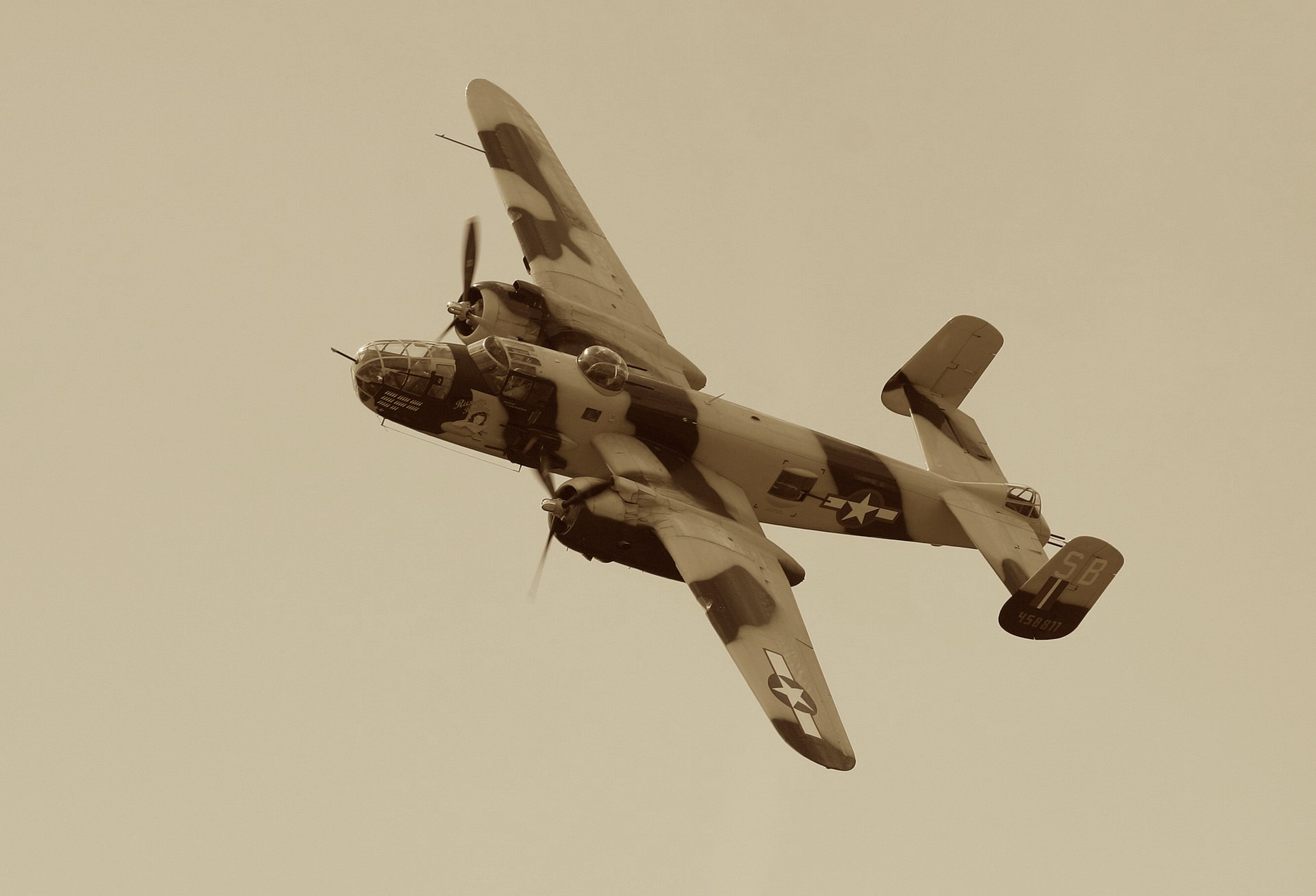
There was only one catch and that was Catch-22, which specified that a concern for one's safety in the face of dangers that were real and immediate was the process of a rational mind. Orr was crazy and could be grounded. All he had to do was ask; and as soon as he did, he would no longer be crazy and would have to fly more missions. Orr would be crazy to fly more missions and sane if he didn't, but if he were sane he had to fly them. If he flew them he was crazy and didn't have to; but if he didn't want to he was sane and had to. Yossarian was moved very deeply by the absolute simplicity of this clause of Catch-22 and let out a respectful whistle. (p. 56, ch. 5)
リンク
文献
その他の情報
Copyleft, CC, Mitzub'ixi Quq Chi'j, 1996-2099
Copyleft,
CC, Mitzub'ixi Quq Chi'j, 1996-2099