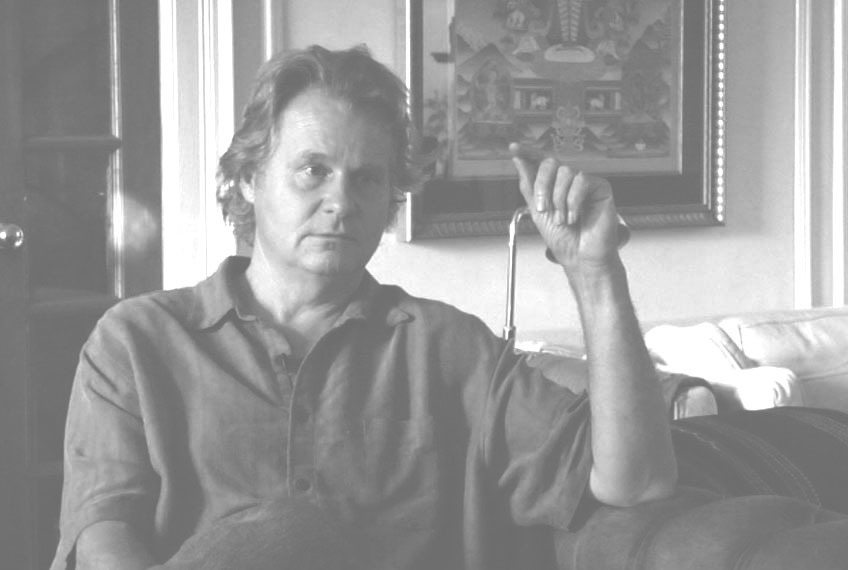
ウェイド・デイビス
Edmund Wade Davis,
b.1953
☆エドマンド・ウェイド・デイヴィス[Edmund Wade Davis] CM[Order of Canada](1953年12月14日生まれ)は、カナダの文化人類学者、民族植物学者、写真家、そして作家である。 デイヴィスは、ハイチのゾンビについて描いた1985年のベストセラー『蛇と虹』で一躍有名になった。現在はブリティッシュコロンビア大学で人類学の教授 を務めるとともに、「危機に瀕する文化と生態系」に関するBCリーダーシップ・チェアを兼任している。
| Edmund Wade Davis CM
(born December 14, 1953) is a Canadian cultural anthropologist,
ethnobotanist, photographer, and writer. Davis came to prominence with his 1985 best-selling book The Serpent and the Rainbow about the zombies of Haiti. He is professor of anthropology and the BC Leadership Chair in Cultures and Ecosystems at Risk at the University of British Columbia. |
エドマンド・ウェイド・デイヴィス[Edmund Wade Davis]
CM(1953年12月14日生まれ)は、カナダの文化人類学者、民族植物学者、写真家、そして作家である。 デイヴィスは、ハイチのゾンビについて描いた1985年のベストセラー『蛇と虹』で一躍有名になった。現在はブリティッシュコロンビア大学で人類学の教授 を務めるとともに、「危機に瀕する文化と生態系」に関するBCリーダーシップ・チェアを兼任している。 |
| Early life, family, and education Davis was born in West Vancouver, British Columbia, Canada.[1] He holds degrees in anthropology and biology, and earned his Ph.D. in ethnobotany, all from Harvard University.[1][2] In 1974, at age 20, Davis crossed the Darién Gap on foot in the company of the English author and amateur explorer Sebastian Snow.[3] |
生い立ち、家族、学歴 デイヴィスはカナダのブリティッシュコロンビア州ウェストバンクーバーで生まれた。[1] 彼は人類学と生物学の学位を持ち、民族植物学の博士号を取得しているが、これらはすべてハーバード大学でのものである。[1][2] 1974年、20歳の時、デイヴィスは英国の作家でありアマチュア探検家であるセバスチャン・スノーと共に、ダリエン地峡を徒歩で横断した。[3] |
| Career Beyond his scientific career, Davis is also an active writer, photographer, and filmmaker. He is a licensed river guide and has worked as a park ranger and forestry engineer. |
経歴 科学者としてのキャリアに加え、デイヴィスは作家、写真家、映画製作者としても精力的に活動している。彼は公認の川ガイドであり、公園管理官や林業技師としても働いた経験がある。 |
| Anthropology and ethnobotany Mostly through the Harvard Botanical Museum, he spent three years in the Amazon and Andes as a plant explorer, living among fifteen indigenous groups in eight Latin American nations, while making some 6,000 botanical collections.[2] He conducted ethnographic fieldwork among several indigenous societies of northern Canada. His work later took him to Haiti to investigate folk preparations implicated in the creation of zombies, an assignment that led to his writing Passage of Darkness (1988) and The Serpent and the Rainbow (1986), a bestseller. The book was used loosely as the basis of a Wes Craven horror film, The Serpent and the Rainbow (1988). Other books by Davis include Penan: Voice for the Borneo Rain Forest (1990), Nomads of the Dawn (1995), One River (1996), which was nominated for the 1997 Governor General's Literary Award for nonfiction, Shadows in the Sun (1998),The Clouded Leopard (1998), Rainforest (1998), Light at the Edge of the World (2001), The Lost Amazon (2004), Grand Canyon (2008), Book of Peoples of the World (ed. 2008). His books have been translated into 14 languages He has published 1800[citation needed] articles on subjects from Haitian Vodo, Amazonian myth and religion, the traditional use of psychotropic drugs, the ethnobotany of South American Indians, as well as, how COVID-19 has signaled the end of the American era.[4] Davis has written for National Geographic, Newsweek, Premiere, Outside, Omni, Harpers, Fortune, Men's Journal, Condé Nast Traveler, Natural History, Scientific American, National Geographic Traveler, The New York Times, Wall Street Journal, Washington Post, The Globe and Mail, Rolling Stone, and numerous other international publications. Davis is a Fellow of the International League of Conservation Photographers (iLCP).[citation needed] Davis served as Explorer-in-Residence with the National Geographic Society from 2000 to 2013.[5] Davis' 2012 book Into the Silence: The Great War, Mallory and the Conquest of Everest won the Baillie Gifford Prize (formerly the Samuel Johnson prize) for non-fiction. His account weaves together the three Everest expeditions in 1922, 1923 and 1924, set in the shadow of the Great War, by finding "a unifying thread in the person of George Mallory, the scatter-brained Adonis and Bloomsbury favourite whose fate would enthral the nation," wrote John Keay in Literary Review.[6] |
人類学と民族植物学 主にハーバード大学植物博物館を通じて、彼は植物探検家としてアマゾンとアンデスで3年間を過ごし、ラテンアメリカ8カ国の15の先住民族集団の中で生活 しながら、約6,000点の植物標本を収集した。[2] また、カナダ北部のいくつかの先住民族社会において、民族誌学的フィールドワークを行った。その後、ゾンビの創造に関与するとされる民間療法を調査するた めハイチへ赴き、この任務をきっかけに『Passage of Darkness』(1988年)およびベストセラーとなった『The Serpent and the Rainbow』(1986年)を執筆した。同書は、ウェス・クレイヴン監督のホラー映画『The Serpent and the Rainbow』(1988年)の原作として大まかに用いられた。 デイヴィスのその他の著作には、『ペナン:ボルネオ熱帯雨林の代弁者』(1990年)、『夜明けの遊牧民』(1995年)、1997年の総督文学賞ノン フィクション部門にノミネートされた『ワン・リバー』(1996年)、『太陽の影』(1998年)、『クラウド・レオパード』(1998年)、 『レインフォレスト』(1998年)、『世界の果ての光』(2001年)、『失われたアマゾン』(2004年)、『グランドキャニオン』(2008年)、 『世界の人々の書』(編著、2008年)などがある。彼の著書は14カ国語に翻訳されている 彼は、ハイチのヴォードゥー教、アマゾンの神話と宗教、向精神薬の伝統的利用、南米先住民の民族植物学、さらにはCOVID-19がアメリカ時代の終焉を 告げたことなど、多岐にわたるテーマについて1800本[出典必要]の論文を発表している。[4] デイヴィスは、『ナショナル・ジオグラフィック』、『ニューズウィーク』、『プレミア』、『アウトサイド』、『オムニ』、『ハーパーズ』、『フォーチュ ン』、『メンズ・ジャーナル』、『コンデ・ナスト・トラベラー』、『ナチュラル・ヒストリー』、『サイエンティフィック・アメリカン』、『ナショナル・ジ オグラフィック・トラベラー』、『ニューヨーク・タイムズ』、『ウォール・ストリート・ジャーナル』、『ワシントン・ポスト』、『グローブ・アンド・メー ル』、『ローリング・ストーン』、その他数多くの国際的な出版物に記事を寄稿している。 デイヴィスは、国際自然保護写真家連盟(iLCP)のフェローである。[出典必要] デイヴィスは2000年から2013年まで、ナショナル・ジオグラフィック協会の常駐探検家を務めた。[5] デイヴィスの2012年の著書『Into the Silence: The Great War, Mallory and the Conquest of Everest』は、ノンフィクション部門のベイリー・ギフォード賞(旧サミュエル・ジョンソン賞)を受賞した。『リテラリー・レビュー』誌のジョン・ キーは、この著作について、「第一次世界大戦の影を背景に、1922年、1923年、1924年の3回のエベレスト遠征を織り交ぜ、ジョージ・マロリーと いう人物に共通する糸を見出している。彼は、散漫な性格の美男子であり、ブルームズベリー派のお気に入りでもあったが、その運命は国民を魅了することにな るだろう」と記している。[6] |
| Photography His photographs have appeared in some 20 books and more than 80 magazines, journals, and newspapers, including National Geographic, Time, GEO, People, Men's Journal, Outside, and National Geographic Adventure.[citation needed] They have been exhibited at the International Center of Photography (ICP), the Marsha Ralls Gallery (Washington, D.C.), the United Nations (Cultures on the Edge exhibition 2004), the Carpenter Center of Harvard University, and the Utama Center (Kuala Lumpur, Malaysia).[citation needed] Some of his images are part of the permanent collection of the U.S. State Department, Africa and Latin America Bureaus.[citation needed] Davis is the co-curator of The Lost Amazon: The Photographic Journey of Richard Evans Schultes, first exhibited at the National Museum of Natural History, Smithsonian Institution, and currently touring Latin America. A first collection of Davis's photographs, Light at the Edge of the World, appeared in 2001 published by National Geographic Books, Bloomsbury, and Douglas & McIntyre. A second collection was under contract for 2013 publication with Douglas & McIntyre as well.[2] |
写真 彼の写真は、『ナショナル・ジオグラフィック』、『タイム』、『GEO』、『ピープル』、『メンズ・ジャーナル』、『アウトサイド』、『ナショナル・ジオ グラフィック・アドベンチャー』など、約20冊の書籍と80誌以上の雑誌、ジャーナル、新聞に掲載されている。[出典必要] 作品は、国際写真センター(ICP)、マーシャ・ラルズ・ギャラリー(ワシントンD.C.)、国連(2004年「Cultures on the Edge」展)、ハーバード大学カーペンター・センター、ウタマ・センター(マレーシア・クアラルンプール)などで展示された。[出典必要] 彼の作品の一部は、米国国務省アフリカ局およびラテンアメリカ局の常設コレクションに収蔵されている。[出典必要] デイヴィスは、『失われたアマゾン:リチャード・エヴァンス・シュルテスの写真旅』展の共同キュレーターを務めており、同展はスミソニアン協会国立自然史 博物館で初公開され、現在はラテンアメリカを巡回中である。デイヴィスの写真集第1弾『Light at the Edge of the World』は、2001年にナショナルジオグラフィック・ブックス、ブルームズベリー、ダグラス&マッキンタイアから出版された。第2弾の写真集もダグ ラス&マッキンタイアとの契約に基づき、2013年の出版が予定されていた。[2] |
| Filmmaking and other media involvement Davis was the series creator, host, and co-writer of Light at the Edge of the World, a four-hour ethnographic documentary series, shot in Rapa Nui, Tahiti, the Marquesas, Nunavut, Greenland, Nepal, and Peru, which aired in 165 countries on the National Geographic Channel and in the USA on Smithsonian Networks. He is featured in the MacGillivray Freeman IMAX film Grand Canyon Adventure: River at Risk, released in the spring of 2008. Other television credits include the award-winning documentaries Spirit of the Mask, Cry of the Forgotten People, Forests Forever, and Earthguide, a 13-part television series on the environment that aired on the Discovery Channel in 1990. His four-hour series with National Geographic, Ancient Voices / Modern World, was shot in Australia, Mongolia, and Colombia. It has been broadcast worldwide on the National Geographic Channel as part of the second season of Light at the Edge of the World. In 2022 Davis curated an exhibition at the Bowers Museum in Santa Ana, California that highlighted the history of expeditions to the peak of Mount Everest. The exhibition "Ascent to Glory," included photographs, films and artifacts from five expeditions from the period 1921 to 1953. The Bowers Museum presented the exhibition in partnership with London's Royal Geographical Society.[7] |
映画制作およびその他のメディア活動 デイヴィスは、ラ・パ・ヌイ、タヒチ、マルケサス諸島、ヌナブト、グリーンランド、ネパール、ペルーで撮影された4時間の民族誌ドキュメンタリーシリーズ 『Light at the Edge of the World』のシリーズ制作者、司会者、共同脚本家を務めた。同シリーズは、ナショナルジオグラフィック・チャンネルを通じて165カ国で、また米国では スミソニアン・ネットワークスで放送された。 彼は、2008年春に公開されたマクギリヴレイ・フリーマン製作のIMAX映画『グランドキャニオン・アドベンチャー:危機に瀕する川』に出演している。 その他のテレビ作品には、受賞歴のあるドキュメンタリー『スピリット・オブ・ザ・マスク』、『忘れられた人々の叫び』、『フォレスト・フォーエバー』、そ して1990年にディスカバリー・チャンネルで放送された環境をテーマにした全13話のテレビシリーズ『アースガイド』がある。ナショナルジオグラフィッ クとの4時間シリーズ『古代の声/現代の世界』は、オーストラリア、モンゴル、コロンビアで撮影された。本作は『世界の果ての光』の第2シーズンの一環と して、ナショナルジオグラフィック・チャンネルを通じて世界中で放送された。 2022年、デイヴィスはカリフォルニア州サンタアナのバワーズ博物館にて、エベレスト山頂への遠征の歴史に焦点を当てた展覧会のキュレーションを担当し た。展覧会『Ascent to Glory』には、1921年から1953年にかけて行われた5つの遠征からの写真、映像、遺品が展示された。バワーズ博物館は、ロンドンの王立地理学会 と提携してこの展覧会を開催した。[7] |
| Advisory work An honorary research associate of the Institute of Economic Botany of the New York Botanical Garden, he is a Fellow of the Linnean Society, a Fellow of the Explorer's Club, a Fellow of the Royal Geographical Society, and a Fellow of the Royal Canadian Geographical Society. Davis was a founding board member of the David Suzuki Foundation and completed a six-year term on the board of the Banff Centre, a Canadian institution for the arts. He has served on the board of directors since 2009 for the Amazon Conservation Association, whose mission is to conserve the biological diversity of the Amazon.[8] In 2009, he delivered the CBC Massey Lectures, Canada's most prestigious public intellectual forum. He is a member of the International Advisory Board, Hunt Consolidated, PLNG, and has also been engaged in Journey to Zero, a three-year campaign sponsored by Nissan and TBWA to support zero emission vehicles.[9] |
顧問活動 ニューヨーク植物園経済植物学研究所の名誉研究員であり、リンネ協会、エクスプローラーズ・クラブ、王立地理学会、および王立カナダ地理学会のフェローを 務めている。デイヴィスはデヴィッド・スズキ財団の創設理事を務め、カナダの芸術機関であるバンフ・センターの理事として6年間の任期を全うした。 2009年からは、アマゾンの生物多様性の保全を使命とするアマゾン保全協会の理事を務めている。[8] 2009年には、カナダで最も権威ある公共知識人フォーラムであるCBCマッセイ・レクチャーで講演を行った。 彼はハント・コンソリデーテッドおよびPLNGの国際諮問委員会のメンバーであり、日産とTBWAが後援するゼロエミッション車を支援する3年間のキャンペーン「ジャーニー・トゥ・ゼロ」にも携わっている。[9] |
| Criticisms of work in Haiti In 1983, Davis first advanced his hypothesis that tetrodotoxin (TTX) poisoning could explain the existence of Haitian zombies.[10] This idea has been controversial and his 1985 follow-up book (The Serpent and the Rainbow) elaborating upon this claim has been criticized as containing scientific inaccuracies.[11] A point questioned is whether Bokors or Caplatas[12] (the priests and priestesses) who are associated with creating "zombies" can keep "zombies" in a pharmacologically induced trance for many years.[13] As part of his Haitian investigations, Davis commissioned the exhumation of a recently buried child.[14][15] (Dead human tissue is supposed to be a part of the "zombie powder" used by Bokors and Caplatas to produce zombies.) This has been criticized as a breach of ethics.[13][16] The strictly scientific criticism of Davis's zombie project has focused on the claims about the chemical composition of the "zombie powder". Several samples of the powder were analyzed for TTX levels by experts in 1986. They reported [17] that only "insignificant traces of tetrodotoxin [were found] in the samples of 'zombie powder' which were supplied for analysis by Davis" and that "it can be concluded that the widely circulated claim in the lay press to the effect that tetrodotoxin is the causal agent in the initial zombification process is without factual foundation". Davis's claims were subsequently defended by other scientists doing further analyses,[18] and these findings were criticized in turn for poor methodology and technique by the original skeptics.[19] Aside from the question of whether or not "zombie powder" contains significant amounts of TTX, the underlying concept of "tetrodotoxin zombification" has also been questioned more directly on a physiological basis.[11] TTX, which blocks sodium channels on the neural membrane, produces numbness, slurred speech, and possibly, paralysis or even respiratory failure and death in severe cases. As an isolated pharmacological agent, it is not known to produce the trance-like or "mental slave" state typical of the zombies of Haitian mythology. In his book however, Davis does not suggest that the zombie powder containing tetrodotoxin was used for maintaining "mental slaves", but for producing the initial death and resurrection that convinced the victims and those who knew them that they had become zombies.[20][21] 10. Davis, Wade (1983). "The Ethnobiology of the Haitian Zombie". Journal of Ethnopharmacology. 9 (1): 85–104. doi:10.1016/0378-8741(83)90029-6. PMID 6668953. 11. Hines, Terrence (May–June 2008). "Zombies and Tetrodotoxin". Skeptical Inquirer. 32 (3): 60–62. 12. Hall, Michael. Historical Dictionary of Haiti. Scarecrow Press, Inc. p. 326. ISBN 978-0-8108-7810-5. 13. Booth, W. (April 15, 1988). "Voodoo Science". Science. 240 (4850): 274–277. Bibcode:1988Sci...240..274B. doi:10.1126/science.3353722. PMID 3353722. 14. Davis, Wade (1985). The Serpent and the Rainbow. New York: Simon & Schuster. pp. 92–95. 15. Davis, Wade (1988). Passage of Darkness: The Ethnobiology of the Haitian Zombie. University of North Carolina Press. pp. 115–116. 16. Anderson, W.H. (1988). "Tetrodotoxin and the Zombie Phenomenon". Journal of Ethnopharmacology. 23 (1): 121–126. doi:10.1016/0378-8741(88)90122-5. PMID 3419200. 17. Kao, C.Y.; Yasumoto, T. (1986). "Tetrodotoxin and the Haitian Zombie". Toxicon. 24 (8): 747–749. Bibcode:1986Txcn...24..747Y. doi:10.1016/0041-0101(86)90098-x. PMID 3775790. 18. Benedek, C.; Rivier, L. (1989). "Evidence for the presence of tetrodotoxin in a powder used in Haiti for zombification". Toxicon. 27 (4): 473–480. Bibcode:1989Txcn...27..473B. doi:10.1016/0041-0101(89)90210-9. PMID 2728032. 19. Kao, C.Y.; Yasumoto, T. (1990). "Tetrodotoxin in 'Zombie Powder'". Toxicon. 28 (2): 129–132. doi:10.1016/0041-0101(90)90330-a. PMID 2339427. 20. Davis, Wade (1985), The Serpent and the Rainbow, New York: Simon & Schuster. 21. Davis, Wade (1988), Passage of Darkness: The Ethnobiology of the Haitian Zombie, University of North Carolina Press, pp. 115–116. |
ハイチにおける研究への批判 1983年、デイヴィスは、テトロドトキシン(TTX)中毒がハイチの ゾンビの存在を説明し得るという仮説を初めて提唱した。[10] この考えは物議を醸しており、この主張を詳述した1985年の続編『蛇と虹』は、科学的な不正確さを含んでいるとして批判されている。[11] 疑問視されている点の一つは、「ゾンビ」の創造に関与するボコールやカプラタ[12](司祭や巫女)が、薬理学的に誘導されたトランス状態の「ゾンビ」を 長年にわたり維持できるかどうかである。[13] ハイチでの調査の一環として、デイヴィスは最近埋葬された子供の遺体の発掘を依頼した。[14][15](死んだ人間の組織は、ボコルやカプラタがゾンビ を作り出すために使用する「ゾンビパウダー」の原料の一部とされる。)これは倫理違反であるとして批判されている。[13] [16] デイヴィスのゾンビ研究に対する厳密に科学的な批判は、「ゾンビパウ ダー」の化学組成に関する主張に焦点を当てている。1986年、専門家によって数種類のパウダーのサンプルについてテトロドトキシン(TTX)濃度の分析 が行われた。彼らは[17]、「デイヴィスが分析のために提供した『ゾンビパウダー』のサンプルからは、テトロドトキシンがごく微量しか検出されなかっ た」と報告し、「テトロドトキシンが初期のゾンビ化プロセスの原因物質であるという、一般向けメディアで広く流布された主張には事実上の根拠がないと結論 づけられる」と述べた。その後、他の科学者たちがさらなる分析を行い[18]、デイヴィスの主張を擁護したが、これらの結果に対し、当初から懐疑的だった 者たちからは、方法論や技術の不備を理由に批判が返された。[19] 「ゾンビパウダー」にTTXが相当量含まれているかという問題とは別 に、「テトロドトキシンによるゾンビ化」という根本的な概念についても、生理学的観点からより直接的に疑問が呈されている。[11] 神経膜上のナトリウムチャネルを遮断するTTXは、しびれや言葉の不明瞭さを引き起こし、重症例では麻痺、さらには呼吸不全や死に至る可能性もある。単離 された薬理学的物質として、テトロドトキシンがハイチの神話に典型的なトランス状態や「精神的な奴隷」状態を引き起こすことは知られていない。しかし、デ イヴィスは著書の中で、テトロドトキシンを含むゾンビパウダーが「精神的な奴隷」を維持するために使われたとは示唆しておらず、被害者やその知人たちに彼 らがゾンビになったと確信させるための、最初の死と復活を引き起こすために使われたとしている。[20][21] 10. デイヴィス、ウェイド(1983年)。「ハイチのゾンビの民族生物学」。『民族薬理学ジャーナル』。9 (1): 85–104. doi:10.1016/0378-8741(83)90029-6. PMID 6668953. 11. ハインズ、テレンス(2008年5月–6月)。「ゾンビとテトロドトキシン」。『Skeptical Inquirer』。32 (3): 60–62. 12. ホール、マイケル。『Historical Dictionary of Haiti』。Scarecrow Press, Inc. p. 326. ISBN 978-0-8108-7810-5. 13. ブース, W. (1988年4月15日). 「ヴードゥー・サイエンス」. 『サイエンス』. 240 (4850): 274–277. Bibcode:1988Sci...240..274B. doi:10.1126/science.3353722. PMID 3353722. 14. デイヴィス, ウェイド (1985). 『蛇と虹』. ニューヨーク: サイモン・アンド・シュスター. pp. 92–95. 15. デイヴィス, ウェイド (1988). 『闇の通過:ハイチのゾンビの民族生物学』. ノースカロライナ大学出版局. pp. 115–116. 16. アンダーソン, W.H. (1988). 「テトロドトキシンとゾンビ現象」. 『民族薬理学雑誌』. 23 (1): 121–126. doi:10.1016/0378-8741(88)90122-5. PMID 3419200. 17. Kao, C.Y.; Yasumoto, T. (1986). 「テトロドトキシンとハイチのゾンビ」. 『トキシコン』. 24 (8): 747–749. Bibcode:1986Txcn...24..747Y. doi:10.1016/0041-0101(86)90098-x. PMID 3775790. 18. Benedek, C.; Rivier, L. (1989). 「ハイチでゾンビ化に使用される粉末中のテトロドトキシン存在の証拠」. Toxicon. 27 (4): 473–480. Bibcode:1989Txcn...27..473B. doi:10.1016/0041-0101(89)90210-9. PMID 2728032. 19. Kao, C.Y.; Yasumoto, T. (1990). 「『ゾンビパウダー』中のテトロドトキシン」. Toxicon. 28 (2): 129–132. doi:10.1016/0041-0101(90)90330-a. PMID 2339427. 20. デイヴィス, ウェイド (1985), 『蛇と虹』, ニューヨーク: サイモン・アンド・シュスター. 21. デイヴィス, ウェイド (1988), 『闇の通過:ハイチのゾンビの民族生物学』, ノースカロライナ大学出版局, pp. 115–116. |
| Personal life Davis is married. He and his wife, Gail Percy, have lived in several places, sometimes with concurrent residences in Washington, D.C., Vancouver, the Stikine Valley of northern British Columbia, and Bowen Island.[1] They have two adult daughters,[1] Tara and Raina.[2] On April 13, 2018, Davis was granted Colombian nationality and citizenship by President Juan Manuel Santos.[22] |
私生活 デイヴィスは既婚である。彼と妻のゲイル・パーシーは、ワシントンD.C.、バンクーバー、ブリティッシュコロンビア州北部のスティキーン・バレー、ボー エン島などに同時に住居を構えることもあり、いくつかの場所で暮らしてきた。[1] 2人の成人した娘、タラとレイナがいる。[2] 2018年4月13日、デイヴィスはフアン・マヌエル・サントス大統領からコロンビア国籍と市民権を付与された。[22] |
| Awards and accolades This list is incomplete; you can help by adding missing items. (October 2012) 2002: Lowell Thomas Medal (The Explorers Club)[23] 2002: Lannan Foundation $125,000 prize for literary non-fiction[citation needed] 2003: Honorary Degree (Doctorate of Sciences) from University of Victoria[citation needed] 2004: Honorary Member of The Explorers Club, one of twenty[citation needed] 2008: Honorary Degree, University of Guelph[citation needed] 2009: Gold Medal of The Royal Canadian Geographical Society[24] 2009: Speaker for the Massey Lectures, for his publication, The Wayfinders[25] 2011: The Explorers Medal — the highest award of The Explorers Club[citation needed] 2010: Honorary Degree, Colorado College[26] 2010: Honorary Doctorate of Laws, University of Northern British Columbia[citation needed] 2012: David Fairchild Medal for Plant Exploration, considered the most prestigious prize for botanical exploration.[27][28] 2012: Samuel Johnson Prize, winner, Into the Silence[29] 2012: Boardman Tasker Prize for Mountain Literature, shortlist, Into the Silence[30] 2012: Governor General's Literary Award, shortlist, Into the Silence [31] 2012: Banff Mountain Book Festival, Mountain & Wilderness Literature, finalist, Into the Silence [32] 2015: Order of Canada with the grade of member[33] 2017: Roy Chapman Andrews Society Distinguished Explorer Award[34] 2017: Sir Christopher Ondaatje Medal for Exploration from the Royal Canadian Geographical Society[35] |
受賞歴と栄誉 このリストは不完全である。不足している項目を追加することで協力できる。(2012年10月) 2002年:ローウェル・トーマス・メダル(エクスプローラーズ・クラブ)[23] 2002年:ラナン財団による文学ノンフィクション賞(賞金12万5000ドル) [出典必要] 2003年:ビクトリア大学より名誉学位(理学博士)を授与[出典必要] 2004年:エクスプローラーズ・クラブの名誉会員(20名のうちの1人)[出典必要] 2008年:グエルフ大学より名誉学位を授与[出典必要] 2009年:カナダ王立地理学会金メダル[24] 2009年:著書『The Wayfinders』により、マッセイ・レクチャーの講演者に選出[25] 2011年:エクスプローラーズ・メダル — エクスプローラーズ・クラブの最高賞[出典必要] 2010年:コロラド・カレッジより名誉学位を授与[26] 2010年:ノーザン・ブリティッシュ・コロンビア大学より法学名誉博士号を授与[出典必要] 2012年:植物探検における最も権威ある賞とされるデビッド・フェアチャイルド植物探検メダル[27][28] 2012年:サミュエル・ジョンソン賞、『イントゥ・ザ・サイレンス』で受賞[29] 2012年:ボードマン・タスカー山岳文学賞、『イントゥ・ザ・サイレンス』が最終候補に選出[30] 2012年:総督文学賞、『イントゥ・ザ・サイレンス』が最終候補に選出 [31] 2012年:バンフ・マウンテン・ブック・フェスティバル、山岳・荒野文学部門、ファイナリスト、『イントゥ・ザ・サイレンス』[32] 2015年:カナダ勲章(メンバー級)[33] 2017年:ロイ・チャップマン・アンドリュース協会 傑出した探検家賞[34] 2017年:カナダ王立地理学会よりサー・クリストファー・オンダッジ探検メダルを授与[35] |
| Publications As author Davis, Wade (1985). The Serpent and the Rainbow. New York: Simon & Schuster. ISBN 0-671-50247-6. 1997 edition retitled: The Serpent and the Rainbow: A Harvard Scientist's[a] Astonishing Journey into the Secret Societies of Haitian Voodoo, Zombies, and Magic. Davis, Wade (1988). Passage of Darkness: The Ethnobiology of the Haitian Zombie. Robert F. Thompson, Richard E. Schultes. University of North Carolina Press. ISBN 0-8078-1776-7. Davis, Wade and Thom Henley (1990), Penan Voice for the Borneo Rain Forest, Western Canada Wilderness. Davis, Wade (1991), The Art of Shamanic Healing, Cross Cultural Shamanism Network. Davis, Wade (1996). One River: Explorations and Discoveries in the Amazon Rain Forest. New York: Simon & Schuster. ISBN 0-684-80886-2.[36] Davis, Wade (1998). Shadows in the Sun: Travels to Landscapes of Spirit and Desire. Island Press. ISBN 1-55963-354-9. (Published in Canada as The Clouded Leopard: A Book of Travels, Douglas & McIntyre, 1998.) Davis, Wade (2001). Light at the Edge of the World: A Journey Through the Realm of Vanishing Cultures. National Geographic. ISBN 0-7922-6474-6. Davis, Wade (2009). The Wayfinders: Why Ancient Wisdom Matters in the Modern World. Toronto: Anansi Press. ISBN 978-0-88784-766-0. Davis, Wade (2009). Grand Canyon: River at Risk. San Rafael, CA: Earth Aware Editions. ISBN 978-1-60109-013-3. Davis, Wade (2011). Into the Silence: The Great War, Mallory and the Conquest of Everest. New York: Alfred A. Knopf. ISBN 978-0-37540-889-2. Davis, Wade (2012). River Notes: A Natural and Human History of the Colorado. Washington, D.C.: Island Press. ISBN 978-1-61091-361-4. Davis, Wade (2015). Los guardianes de la sabiduría ancestral. Su importancia en el mundo moderno. Medellín, Colombia: Sílaba Editores. ISBN 978-958-8794-65-5. Davis, Wade, The Unraveling of America, Rolling Stone, August 6, 2020 - (how COVID-19 signals the end of the American era) Davis, Wade (2020). Magdalena: River of Dreams: A Story of Colombia. New York, NY: Knopf. ISBN 978-0375410994. Davis, Wade (2024). Beneath the Surface of Things: New and Selected Essays. Vancouver, BC: Greystone Books. ISBN 978-1778400445. Photography books Davis, Wade, Ian MacKenzie, and Shane Kennedy (1995), Nomads of the Dawn: The Penan of the Borneo Rain Forest. Osborne, Graham (Photographs) and Wade Davis (Text) (1998), Rainforest: Ancient Realm of the Pacific Northwest White River Junction, Vermont, Chelsea Green Publishing Company. Davis, Wade (2004), The Lost Amazon: The Photographic Journey of Richard Evans Schultes, Chronicle Books (Intro by Andrew Weil). As editor Davis, Wade and K. David Harrison (2008) Book of Peoples of the World: A Guide to Cultures, National Geographic, (2nd edition). Video Earthguide (1991). Cinetel Productions for the Discovery Channel. 13-part documentary on environmental issues. Davis was host and co-writer. "The Spirit of the Mask" (1992). Produced by Gryphon Productions. 1992. Davis was host and co-writer. 1 hour documentary. "Cry of the Forgotten Land" (1993). 1 hour documentary on the Moi people of West Papua, New Guinea. Davis was narrator/co-writer "The Explorer" Life and Times (2002). Produced by the Canadian Broadcasting Corporation (CBC) DVD by Monarch Films. 1 hour biographical documentary. "Grand Canyon: River at Risk" (2008). 3D IMAX, MacGillivray Freeman Films. Davis was principal character. Peyote to LSD: A Psychedelic Odyssey (2008). Produced in collaboration with Gryphon Productions. Filmed on location in New Mexico, Oaxaca, and lowland Ecuador. Two-hour special for the History Channel-based Davis's books One River (1996) and The Lost Amazon (2004). DVD available, A&E Television Network. Davis was host/co-writer/co-producer. Light at the Edge of the World: Science of the Mind (2007). Directed by Andrew Gregg, produced by Davis and Andrew Gregg for National Geographic. The Path of the Anaconda (2019). Directed by Alessandro Ángulo Brandestini, the documentary follows Davis as he travels to Colombia with anthropologist Martín von Hildebrand following the footsteps of Richard Evans Schultes. Media Duration: 6 minutes and 36 seconds.6:36 Wade Davis on Bookbits radio. Davis's research into "Haitian Zombies" was explored in an episode of Science Channel's Dark Matters: Twisted But True. Davis's research into "Haitian Zombies" was mentioned in an episode of CUNY TV's Science Goes to the Movies.[37] Davis's research into "Haitian Zombies" was referenced in the X-Files episode "Fresh Bones," season 2, episode 15. |
著作 著者として デイヴィス、ウェイド(1985)。『蛇と虹』。ニューヨーク:サイモン&シュスター。ISBN 0-671-50247-6。 1997年版は題名を『蛇と虹:ハーバード大学の科学者が[a]ハイチのヴードゥー教、ゾンビ、そして呪術の秘密結社へと踏み込んだ驚異の旅』と改題した。 デイヴィス、ウェイド(1988)。『闇の通過:ハイチのゾンビの民族生物学』。ロバート・F・トンプソン、リチャード・E・シュルテス。ノースカロライナ大学出版局。ISBN 0-8078-1776-7。 デイヴィス、ウェイド、トム・ヘンリー(1990)、『ボルネオ熱帯雨林のためのペナン族の声』、ウェスタン・カナダ・ウィルダネス。 デイヴィス、ウェイド(1991年)、『シャーマニズムによる癒しの芸術』、クロス・カルチュラル・シャーマニズム・ネットワーク。 デイヴィス、ウェイド(1996年)。『ワン・リバー:アマゾン熱帯雨林における探検と発見』。ニューヨーク:サイモン&シュスター。ISBN 0-684-80886-2。[36] デイヴィス、ウェイド(1998年)。『太陽の影:精神と欲望の風景への旅』。アイランド・プレス。ISBN 1-55963-354-9。(カナダでは『雲豹:旅の書』としてダグラス&マッキンタイア社より1998年に出版。) デイヴィス、ウェイド(2001)。『世界の果ての光:消えゆく文化の領域を巡る旅』。ナショナル・ジオグラフィック。ISBN 0-7922-6474-6。 デイヴィス、ウェイド(2009)。『ウェイファインダーズ:現代社会において古代の知恵が重要な理由』。トロント:アナンシ・プレス。ISBN 978-0-88784-766-0。 デイヴィス、ウェイド(2009)。『グランドキャニオン:危機に瀕する川』。カリフォルニア州サンラファエル:アース・アウェア・エディションズ。ISBN 978-1-60109-013-3。 デイヴィス、ウェイド(2011)。『沈黙の中へ:第一次世界大戦、マロリー、そしてエベレスト征服』。ニューヨーク:アルフレッド・A・クノップ。ISBN 978-0-37540-889-2。 デイヴィス、ウェイド(2012年)。『リバー・ノーツ:コロラド川の自然と人類の歴史』。ワシントンD.C.:アイランド・プレス。ISBN 978-1-61091-361-4。 デイヴィス、ウェイド(2015年)。『先祖代々の知恵の守護者たち。現代世界におけるその重要性』。コロンビア、メデジン:シラバ・エディトレス。ISBN 978-958-8794-65-5. デイヴィス、ウェイド、「アメリカの崩壊」、ローリング・ストーン、2020年8月6日 - (COVID-19がアメリカの時代の終焉をどう告げているか) デイヴィス、ウェイド(2020)。『マグダレナ:夢の川:コロンビアの物語』。ニューヨーク州ニューヨーク:ノフ。ISBN 978-0375410994。 デイヴィス、ウェイド(2024)。『物事の表層の下:新論集および選集』。ブリティッシュコロンビア州バンクーバー:グレイストーン・ブックス。ISBN 978-1778400445。 写真集 デイヴィス、ウェイド、イアン・マッケンジー、シェーン・ケネディ(1995年)、『夜明けの遊牧民:ボルネオ熱帯雨林のペナン族』。 オズボーン、グラハム(写真)およびウェイド・デイヴィス(文)(1998年)、『熱帯雨林:太平洋岸北西部の古代の領域』、バーモント州ホワイト・リバー・ジャンクション、チェルシー・グリーン・パブリッシング・カンパニー。 デイヴィス、ウェイド(2004年)、『失われたアマゾン:リチャード・エヴァンス・シュルテスの写真旅』、クロニクル・ブックス(アンドルー・ワイルによる序文)。 編集者として デイヴィス、ウェイド、K・デヴィッド・ハリソン(2008年)、『世界の人々:文化ガイド』、ナショナル・ジオグラフィック(第2版)。 映像 『アースガイド』(1991年)。ディスカバリー・チャンネル向け、シネテル・プロダクションズ制作。環境問題を扱った全13回のドキュメンタリー。デイヴィスは司会および共同脚本を担当した。 『マスクの精霊』(1992年)。グリフォン・プロダクションズ制作。1992年。デイヴィスは司会および共同脚本を担当した。1時間のドキュメンタリー。 『忘れられた大地の叫び』(1993年)。ニューギニア西パプアのモイ族に関する1時間のドキュメンタリー。デイヴィスはナレーター兼共同脚本家を務めた。 『探検家』ライフ・アンド・タイムズ(2002年)。カナダ放送協会(CBC)制作、モナーク・フィルムズによるDVD。1時間の伝記ドキュメンタリー。 『グランドキャニオン:危機に瀕する川』(2008年)。3D IMAX、マクギリヴレイ・フリーマン・フィルムズ。デイヴィスは主要人物として出演した。 『ペヨーテからLSDへ:サイケデリック・オデッセイ』(2008年)。グリフォン・プロダクションズとの共同制作。ニューメキシコ、オアハカ、エクアド ルの低地でロケ撮影。ヒストリー・チャンネルの2時間スペシャル番組。デイヴィスの著書『ワン・リバー』(1996年)および『ロスト・アマゾン』 (2004年)に基づく2時間の特別番組。DVD発売中、A&Eテレビジョン・ネットワーク。デイヴィスは司会・共同脚本・共同プロデューサーを 務めた。 『世界の果ての光:心の科学』(2007年)。アンドルー・グレッグ監督、デイヴィスとアンドルー・グレッグがナショナルジオグラフィックのために製作。 『アナコンダの道』(2019年)。アレッサンドロ・アングロ・ブランデスティニ監督によるこのドキュメンタリーは、人類学者のマルティン・フォン・ヒルデブランドと共に、リチャード・エヴァンス・シュルテスの足跡を辿ってコロンビアへ旅するデイヴィスの姿を追っている。 メディア 再生時間:6分36秒。6:36 ブックビッツ・ラジオに出演したウェイド・デイヴィス。 デイヴィスの「ハイチのゾンビ」に関する研究は、サイエンス・チャンネルの『ダーク・マターズ:ねじれた真実』のエピソードで取り上げられた。 デイヴィスの「ハイチのゾンビ」に関する研究は、CUNY TVの『Science Goes to the Movies』のエピソードでも言及された。[37] デイヴィスの「ハイチのゾンビ」に関する研究は、『X-ファイル』シーズン2第15話「フレッシュ・ボーンズ」でも言及された。 |
| Timothy Plowman |
ティモシー・プラウマン |
| Notes a. Though he has degrees including a Ph.D. from the university, Davis was never a staff member at Harvard |
注 a. 同大学から博士号を含む学位を取得しているものの、デイヴィスはハーバード大学の職員になったことは一度もない |
| References 1. "Wade Davis, acclaimed anthropologist and author, joins the University of British Columbia". ubc.ca (Press release). University of British Columbia. December 18, 2013. Retrieved July 24, 2017. "Wade Davis, Anthropologist/Ethnobotanist: Explorers Council, Explorer-in-Residence, 2000-2013". NationalGeographic.com. National Geographic Society. Archived from the original on January 2, 2012. Retrieved July 24, 2017. Snow, Sebastian (1977), The Rucksack Man, London: Sphere Books, pp. 199–244 "The Unraveling of America". Rolling Stone. 6 August 2020. "WADE DAVIS". 19 October 2022. Keay, John (24 September 2014). "The White Leviathan". Literary Review. "Exhibition showcases Mount Qomolangma's illustrious history". 28 May 2022. "Building the Ark: Annual Report 2009" (PDF). Amazon Conservation Association. 2009. p. 24. Abramowitz, Ben. "Nissan & Zero Emissions". cargocollective.com. Retrieved July 24, 2017. 10. Davis, Wade (1983). "The Ethnobiology of the Haitian Zombie". Journal of Ethnopharmacology. 9 (1): 85–104. doi:10.1016/0378-8741(83)90029-6. PMID 6668953. 11. Hines, Terrence (May–June 2008). "Zombies and Tetrodotoxin". Skeptical Inquirer. 32 (3): 60–62. 12. Hall, Michael. Historical Dictionary of Haiti. Scarecrow Press, Inc. p. 326. ISBN 978-0-8108-7810-5. 13. Booth, W. (April 15, 1988). "Voodoo Science". Science. 240 (4850): 274–277. Bibcode:1988Sci...240..274B. doi:10.1126/science.3353722. PMID 3353722. 14. Davis, Wade (1985). The Serpent and the Rainbow. New York: Simon & Schuster. pp. 92–95. 15. Davis, Wade (1988). Passage of Darkness: The Ethnobiology of the Haitian Zombie. University of North Carolina Press. pp. 115–116. 16. Anderson, W.H. (1988). "Tetrodotoxin and the Zombie Phenomenon". Journal of Ethnopharmacology. 23 (1): 121–126. doi:10.1016/0378-8741(88)90122-5. PMID 3419200. 17. Kao, C.Y.; Yasumoto, T. (1986). "Tetrodotoxin and the Haitian Zombie". Toxicon. 24 (8): 747–749. Bibcode:1986Txcn...24..747Y. doi:10.1016/0041-0101(86)90098-x. PMID 3775790. 18. Benedek, C.; Rivier, L. (1989). "Evidence for the presence of tetrodotoxin in a powder used in Haiti for zombification". Toxicon. 27 (4): 473–480. Bibcode:1989Txcn...27..473B. doi:10.1016/0041-0101(89)90210-9. PMID 2728032. 19. Kao, C.Y.; Yasumoto, T. (1990). "Tetrodotoxin in 'Zombie Powder'". Toxicon. 28 (2): 129–132. doi:10.1016/0041-0101(90)90330-a. PMID 2339427. 20. Davis, Wade (1985), The Serpent and the Rainbow, New York: Simon & Schuster. 21. Davis, Wade (1988), Passage of Darkness: The Ethnobiology of the Haitian Zombie, University of North Carolina Press, pp. 115–116. "Otorgan la nacionalidad colombiana a Wade Davis, el antropólogo del Amazonas". 12 April 2018. "The Explorers Club -". Archived from the original on 2018-08-15. Retrieved 2020-08-14. Roy-Sole, Monique. "Gold Medal 2009 Winner - Wade Davis". The Royal Canadian Geographical Society. Retrieved 9 February 2017. "CBC Massey Lecture Series". CBC.ca. 2009. Archived from the original on October 13, 2009. Retrieved July 24, 2017. "Colorado College | NATIONAL GEOGRAPHIC EXPLORER-IN-RESIDENCE TO SPEAK AT CC'S 129th COMMENCEMENT CEREMONY". www.coloradocollege.edu. Retrieved 2020-08-15. "Fairchild Award". NTBG.org. National Tropical Botanical Garden. Archived from the original on 2012-05-25. "Annual Report 2012" (PDF). National Tropical Botanical Garden. 2012. p. 9. Retrieved July 24, 2017. Flood, Alison (November 12, 2012). "Into the Silence author Wade Davis wins Samuel Johnson award". The Guardian. Retrieved November 13, 2012. "Shortlist 2012". boardmantasker.com. Archived from the original on September 16, 2012. Retrieved July 24, 2017. 30. Thomson, Stephen (October 2, 2012). "Six B.C. writers shortlisted for 2012 Governor General's awards". straight.com. Vancouver Free Press. Archived from the original on November 1, 2012. Retrieved July 24, 2017. "2012 Banff Mountain Book Competition – Finalists". banffcentre.ca. The Banff Center. Archived from the original on August 17, 2013. Retrieved July 24, 2017. "Order of Canada Appointments". Governor General of Canada. Retrieved December 31, 2015. "Wade Davis - Distinguished Explorer 2017". Roy Chapman Andrews Society. "Sir Christopher Ondaatje Medal for Exploration 2017 Recipients - Pat and Baiba Morrow, and Wade Davis". rcgs.org. Royal Canadian Geographical Society. Retrieved 3 August 2018. Bass, Joby (2000). "Review of One River: Explorations and Discoveries in the Amazon Rain Forest by Wade Davis". Yearbook. Conference of Latin Americanist Geographers. 26: 157–159. JSTOR 25765894. 37. Shechet Epstein, Sonia (April 7, 2016). "Science Goes to the Movies: Zombies". Scienceandfilm.org. Museum of the Moving Image. Retrieved July 24, 2017. |
参考文献 1. 「著名な人類学者兼著述家のウェイド・デイヴィスがブリティッシュコロンビア大学に加わる」。ubc.ca(プレスリリース)。ブリティッシュコロンビア大学。2013年12月18日。2017年7月24日閲覧。 「人類学者/民族植物学者 ウェイド・デイヴィス:エクスプローラー・カウンシル、常駐探検家、2000年~2013年」。NationalGeographic.com。ナショナ ルジオグラフィック協会。2012年1月2日にオリジナルからアーカイブ。2017年7月24日閲覧。 スノー、セバスチャン(1977)、『ザ・ラックサック・マン』、ロンドン:スフィア・ブックス、 pp. 199–244 「アメリカの崩壊」。『ローリング・ストーン』。2020年8月6日。 「ウェイド・デイヴィス」。2022年10月19日。 キー、ジョン(2014年9月24日)。「白いリヴァイアサン」。『リテラリー・レビュー』。 「展覧会がチョモランマ山の輝かしい歴史を紹介」。2022年5月28日。 「アークの建設:2009年年次報告書」(PDF)。アマゾン保全協会。2009年。p. 24。 アブラモウィッツ、ベン。「日産とゼロエミッション」。cargocollective.com。2017年7月24日閲覧。 10. デイヴィス、ウェイド(1983年)。「ハイチのゾンビの民族生物学」。『民族薬理学ジャーナル』。9 (1): 85–104. doi:10.1016/0378-8741(83)90029-6. PMID 6668953. 11. ハインズ、テレンス(2008年5月–6月)。「ゾンビとテトロドトキシン」。『Skeptical Inquirer』。32 (3): 60–62. 12. ホール、マイケル。『Historical Dictionary of Haiti』。Scarecrow Press, Inc. p. 326. ISBN 978-0-8108-7810-5. 13. ブース, W. (1988年4月15日). 「ヴードゥー・サイエンス」. 『サイエンス』. 240 (4850): 274–277. Bibcode:1988Sci...240..274B. doi:10.1126/science.3353722. PMID 3353722. 14. デイヴィス, ウェイド (1985). 『蛇と虹』. ニューヨーク: サイモン・アンド・シュスター. pp. 92–95. 15. デイヴィス, ウェイド (1988). 『闇の通過:ハイチのゾンビの民族生物学』. ノースカロライナ大学出版局. pp. 115–116. 16. アンダーソン, W.H. (1988). 「テトロドトキシンとゾンビ現象」. 『民族薬理学雑誌』. 23 (1): 121–126. doi:10.1016/0378-8741(88)90122-5. PMID 3419200. 17. Kao, C.Y.; Yasumoto, T. (1986). 「テトロドトキシンとハイチのゾンビ」. 『トキシコン』. 24 (8): 747–749. Bibcode:1986Txcn...24..747Y. doi:10.1016/0041-0101(86)90098-x. PMID 3775790. 18. Benedek, C.; Rivier, L. (1989). 「ハイチでゾンビ化に使用される粉末中のテトロドトキシン存在の証拠」. Toxicon. 27 (4): 473–480. Bibcode:1989Txcn...27..473B. doi:10.1016/0041-0101(89)90210-9. PMID 2728032. 19. Kao, C.Y.; Yasumoto, T. (1990). 「『ゾンビパウダー』中のテトロドトキシン」. Toxicon. 28 (2): 129–132. doi:10.1016/0041-0101(90)90330-a. PMID 2339427. 20. デイヴィス, ウェイド (1985), 『蛇と虹』, ニューヨーク: サイモン・アンド・シュスター. 21. デイヴィス, ウェイド (1988), 『闇の通過:ハイチのゾンビの民族生物学』, ノースカロライナ大学出版局, pp. 115–116. 「アマゾンの人類学者ウェイド・デイヴィスにコロンビア国籍を付与」。2018年4月12日。 「エクスプローラーズ・クラブ -」。2018年8月15日にオリジナルからアーカイブされた。2020年8月14日に閲覧。 ロイ=ソール、モニーク。「2009年ゴールドメダル受賞者 - ウェイド・デイヴィス」。カナダ王立地理学会。2017年2月9日に閲覧。 「CBCマッセイ・レクチャー・シリーズ」。CBC.ca。2009年。2009年10月13日にオリジナルからアーカイブされた。2017年7月24日に閲覧。 「コロラド・カレッジ | ナショナル・ジオグラフィック・エクスプローラー・イン・レジデンスがCCの第129回卒業式で講演」。www.coloradocollege.edu。2020年8月15日閲覧。 「フェアチャイルド賞」。NTBG.org。国立熱帯植物園。2012年5月25日にオリジナルからアーカイブされた。 「2012年度年次報告書」(PDF)。国立熱帯植物園。2012年。9ページ。2017年7月24日に閲覧。 フラッド、アリソン(2012年11月12日)。「『沈黙の中へ』の著者ウェイド・デイヴィスがサミュエル・ジョンソン賞を受賞」。ガーディアン。2012年11月13日閲覧。 「2012年最終候補リスト」。boardmantasker.com。2012年9月16日にオリジナルからアーカイブ。2017年7月24日閲覧。 30. トムソン、スティーブン(2012年10月2日)。「2012年総督賞の最終候補にブリティッシュコロンビア州の作家6名が選出」。 straight.com。バンクーバー・フリー・プレス。2012年11月1日にオリジナルからアーカイブされた。2017年7月24日閲覧。 「2012年バンフ・マウンテン・ブック・コンペティション – ファイナリスト」。banffcentre.ca。バンフ・センター。2013年8月17日にオリジナルからアーカイブされた。2017年7月24日に閲覧。 「カナダ勲章の叙勲」。カナダ総督。2015年12月31日に閲覧。 「ウェイド・デイヴィス - 2017年傑出した探検家」。ロイ・チャップマン・アンドリュース協会。 「2017年サー・クリストファー・オンダッジ探検メダル受賞者 - パット・アンド・バイバ・モロー、およびウェイド・デイヴィス」。rcgs.org。カナダ王立地理学会。2018年8月3日に閲覧。 バス、ジョビー(2000)。「ウェイド・デイヴィス著『One River: Explorations and Discoveries in the Amazon Rain Forest』の書評」。『Yearbook』. ラテンアメリカ地理学者会議. 26: 157–159. JSTOR 25765894. 37. シェチェット・エプスタイン、ソニア(2016年4月7日)。「科学が映画になる:ゾンビ」。Scienceandfilm.org. 映像博物館。2017年7月24日閲覧。 |
| https://en.wikipedia.org/wiki/Wade_Davis_(anthropologist) |
リ ンク
文 献
そ の他の情報
CC
Copyleft,
CC, Mitzub'ixi Quq Chi'j, 1996-2099